

Judge finds police acted reasonably in shooting New Mexico man while at wrong address
Advertisement
Read this article for free:
or
Already have an account? Log in here »
To continue reading, please subscribe:

Digital Subscription
One year of digital access for only $205*
- Enjoy unlimited reading on winnipegfreepress.com
- Read the E-Edition, our digital replica newspaper
- Access News Break, our award-winning app
- Play interactive puzzles
*First annual payment billed as $205.00 + GST for one year. This annual subscription will automatically renew at $233.00 + GST every 52 weeks (10% off the regular annual price of $259.35). Offer available to new and qualified returning subscribers only. Cancel any time.
To continue reading, please subscribe:
Add Free Press access to your Brandon Sun subscription for only an additional
$1 for the first 4 weeks*
- Enjoy unlimited reading on winnipegfreepress.com
- Read the E-Edition, our digital replica newspaper
- Access News Break, our award-winning app
- Play interactive puzzles
*Your next Brandon Sun subscription payment will increase by $1.00 and you will be charged $17.95 plus GST for four weeks. After four weeks, your payment will increase to $24.95 plus GST every four weeks.
Read unlimited articles for free today:
or
Already have an account? Log in here »
Hey there, time traveller!
This article was published 20/05/2025 (469 days ago), so information in it may no longer be current.
SANTA FE, N.M. (AP) — A federal judge has dismissed part of a lawsuit that accused police of violating constitutional protections when they fatally shot a man after showing up at the wrong address in response to a domestic violence call.
The shooting of Robert Dotson, 52, in the northwestern New Mexico city of Farmington prompted a civil lawsuit by his family members, though public prosecutors found there was no basis to pursue criminal charges against officers after a review of events. The suit alleged that the family was deprived of its civil rights and officers acted unreasonably.
Hearing a knock at the door late on April 5, 2023, Dotson put on a robe, went downstairs and grabbed a handgun before answering. Police outside shined a flashlight as Dotson appeared and raised the firearm before three police officers opened fire, killing him. Dotson did not shoot.
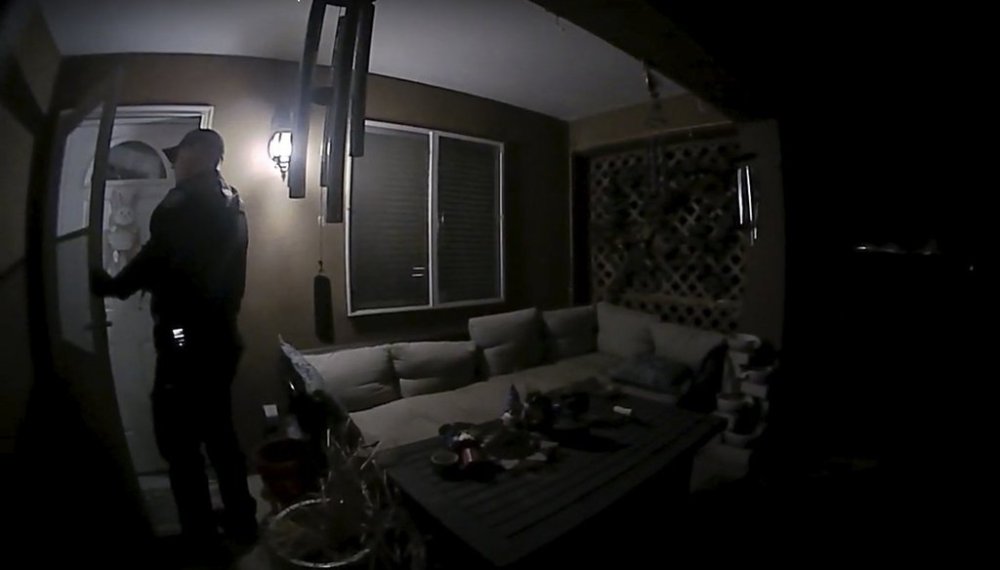
“Ultimately, given the significant threat Dotson posed when he pointed his firearm at officers … the immediacy of that threat, the proximity between Dotson and the defendant officers, and considering that the events unfolded in only a few seconds, the court finds that the defendant officers reasonably applied deadly force,” U.S. District Court Judge Matthew Garcia said in a written court opinion.
The judge also said the officers were entitled under the circumstances to qualified immunity — special legal protections that prevent people from suing over claims that police or government workers violated their constitutional rights.
The opinion was published May 15 — the same day the U.S. Supreme Court ruled unanimously in a separate case that courts should weigh the totality of circumstances and not just a “moment of threat” when judging challenges to police shootings under the Fourth Amendment.
Tom Clark, one of the Dotson family’s attorneys, said the lawsuit against Farmington police will move forward on other claims under tort law and provisions of the New Mexico Civil Rights Act, which limits immunity for police and other government agencies.
Defense attorneys said in court filings that the officers acted reasonably under “the totality of circumstances,” noting that they repeatedly knocked and announced that police had arrived and saying Dotson “posed an imminent threat of death or great bodily harm to police.”
Philip Stinson, a professor of criminal justice at Bowling Green State University in Ohio, said Tuesday that court evaluations of police immunity in shootings “sometimes lead to results that end up leaving you scratching your head.”
“Here the court is saying the police made a mistake — but in that moment they were confronted with a decision to use deadly force,” he said. “I don’t think this is the last word in this case.”
Lawyers for Dotson’s family emphasized that police were at the wrong address and that he was likely blinded by the flashlight with little inkling that police were there. They said officers did not give him sufficient time to comply with commands as an officer shouted, “Hey, hands up.”
According to the lawsuit, Dotson’s wife, wearing only a robe, came downstairs after hearing the shots and found her husband lying in the doorway. She fired outside, not knowing who was out there. Police fired 19 rounds but missed her.