

South Carolina’s budget passes with a big raise in lawmaker pay
Advertisement
Read this article for free:
or
Already have an account? Log in here »
To continue reading, please subscribe:

Digital Subscription
One year of digital access for only $205*
- Enjoy unlimited reading on winnipegfreepress.com
- Read the E-Edition, our digital replica newspaper
- Access News Break, our award-winning app
- Play interactive puzzles
*First annual payment billed as $205.00 + GST for one year. This annual subscription will automatically renew at $233.00 + GST every 52 weeks (10% off the regular annual price of $259.35). Offer available to new and qualified returning subscribers only. Cancel any time.
To continue reading, please subscribe:
Add Free Press access to your Brandon Sun subscription for only an additional
$1 for the first 4 weeks*
- Enjoy unlimited reading on winnipegfreepress.com
- Read the E-Edition, our digital replica newspaper
- Access News Break, our award-winning app
- Play interactive puzzles
*Your next Brandon Sun subscription payment will increase by $1.00 and you will be charged $17.95 plus GST for four weeks. After four weeks, your payment will increase to $24.95 plus GST every four weeks.
Read unlimited articles for free today:
or
Already have an account? Log in here »
Hey there, time traveller!
This article was published 28/05/2025 (434 days ago), so information in it may no longer be current.
COLUMBIA, S.C. (AP) — The South Carolina General Assembly likely met for the last time this year Wednesday, easily passing a budget that included what is effectively an $18,000-a-year raise for all of its members.
If the governor does not veto it, lawmakers will see their “in-district compensation” — money set aside for legislative duties that has few limits on how it can be spent — increase from $1,000 a month to $2,500 a month for all 46 senators and 124 House members.
The raise, quietly slipped into the budget about a month ago in the Senate after the initial budget passed the House, caused heartburn. Several members threated to veto the entire $14.5 billion plan. But in the end, it passed both chambers easily.
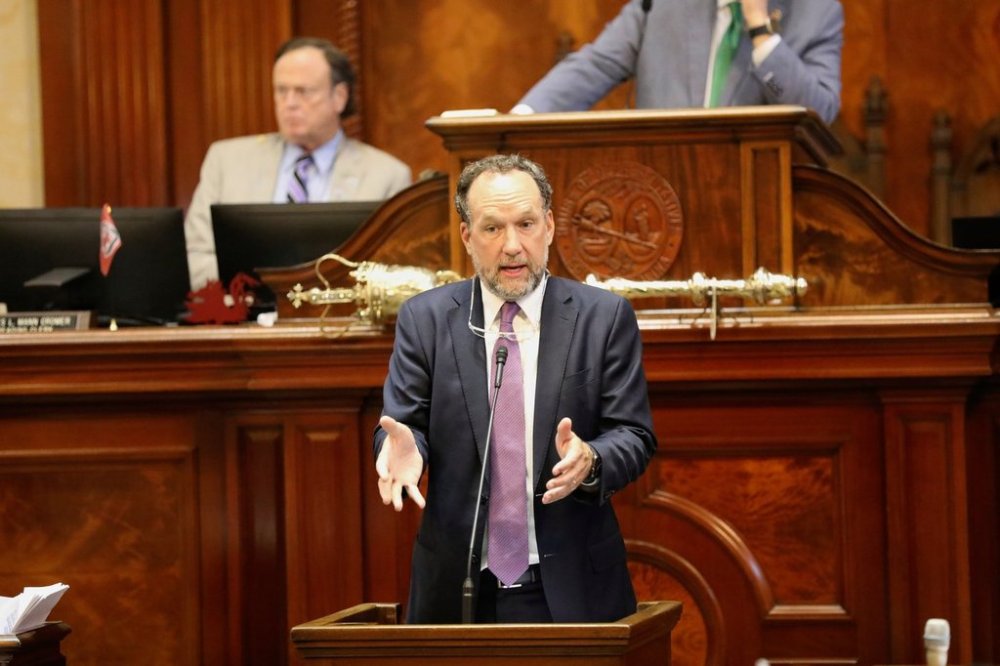
“The anticipation is you will spend that on your constituents, doing the job they’ve elected you to do and going to the places they have asked you to go,” Republican House Ways and Means Chairman Bruce Bannister said. “If you do not spend the money on your constituents, that’s on you.”
The rest of the spending plan was much less controversial. There are pay raises for teachers, and the state’s highest income tax rate will be cut from 6.2% to 6%.
There is $200 million to fix bridges, $35 million to pay for cleanup from Hurricane Helene last year and $50 million for a program to let parents use tax money to pay private school tuition that will undergo court scrutiny.
But the $3 million that will increase legislator pay got the most attention as House and Senate negotiators finalized the budget for fiscal year 2025-2026 earlier this moth.
The monthly stipend for lawmakers has not been increased in about 30 years. Their in-district stipend would increase from $12,000 a year to $30,000
Lawmakers also get a salary of $10,400 a year that has not changed since 1990. In addition, they get money for meals, mileage to drive to Columbia and hotel rooms while in session. Legislators are considered part time because South Carolina’s General Assembly meets three days a week from January to May.
Lawmakers passed a $1,000-a-month increase in the budget in 2014. But Republican Gov. Nikki Haley vetoed it, and senators did not have the votes to override her decision.
And since it was passed within the budget, legislators get the extra money starting July 1. By law, a raise in their salaries cannot take effect until after the next election.
A number of lawmakers who voted for the budget said it would have been better to handle it as a bill that got public input and was fully debated.
Sen. Wes Climer called the raise a wart in an otherwise well-crafted spending plan that includes tax cuts and spending on key items like bridges or private school vouchers.
“If there is going to be a pay raise, the people by way of elections ought to decide who does and who does not get that raise,” the Republican from Rock Hill said.
Gov. Henry McMaster has a line-item veto he can use to strike items from the budget. He said Wednesday he would have to look it over, but he said he will likely leave the in-district expenses in place.
“I believe the case can be made that the expenses have gone up dramatically,” McMaster said. “And the remedy would be to provide some more money to be used for those district expenses, not a favor.”
Lawmakers expect McMaster to veto little if anything from the budget. So instead of returning to take up his vetoes, they don’t plan to come back to the Statehouse until January 2026, when next year’s session starts.