

New Mexico appeals court rejects lawsuit against oil and gas regulators
Advertisement
Read this article for free:
or
Already have an account? Log in here »
To continue reading, please subscribe:
Digital Subscription
One year of digital access for only $1.44 a week*
- Enjoy unlimited reading on winnipegfreepress.com
- Read the E-Edition, our digital replica newspaper
- Access News Break, our award-winning app
- Play interactive puzzles
*Billed as $5.77 plus GST every four weeks. After 52 weeks, price increases to the regular rate of $19.95 plus GST every four weeks. Offer available to new and qualified returning subscribers only. Cancel any time.
To continue reading, please subscribe:
Add Free Press access to your Brandon Sun subscription for only an additional
$1 for the first 4 weeks*
- Enjoy unlimited reading on winnipegfreepress.com
- Read the E-Edition, our digital replica newspaper
- Access News Break, our award-winning app
- Play interactive puzzles
*Your next Brandon Sun subscription payment will increase by $1.00 and you will be charged $17.95 plus GST for four weeks. After four weeks, your payment will increase to $24.95 plus GST every four weeks.
Read unlimited articles for free today:
or
Already have an account? Log in here »
Hey there, time traveller!
This article was published 03/06/2025 (505 days ago), so information in it may no longer be current.
SANTA FE, N.M. (AP) — A New Mexico appeals court rejected a lawsuit alleging that the nation’s No. 2 oil-producing state failed to meet constitutional provisions for protecting against oil and gas industry pollution, in an opinion Tuesday. Environmental advocates vowed to appeal the matter to the state’s top court.
A panel of three judges on the New Mexico Court of Appeals found that it was beyond the judiciary’s authority to weigh whether the pollution controls are adequate, writing that the state Constitution directs the Legislature to balance the benefits of environmental regulation with natural resources development.
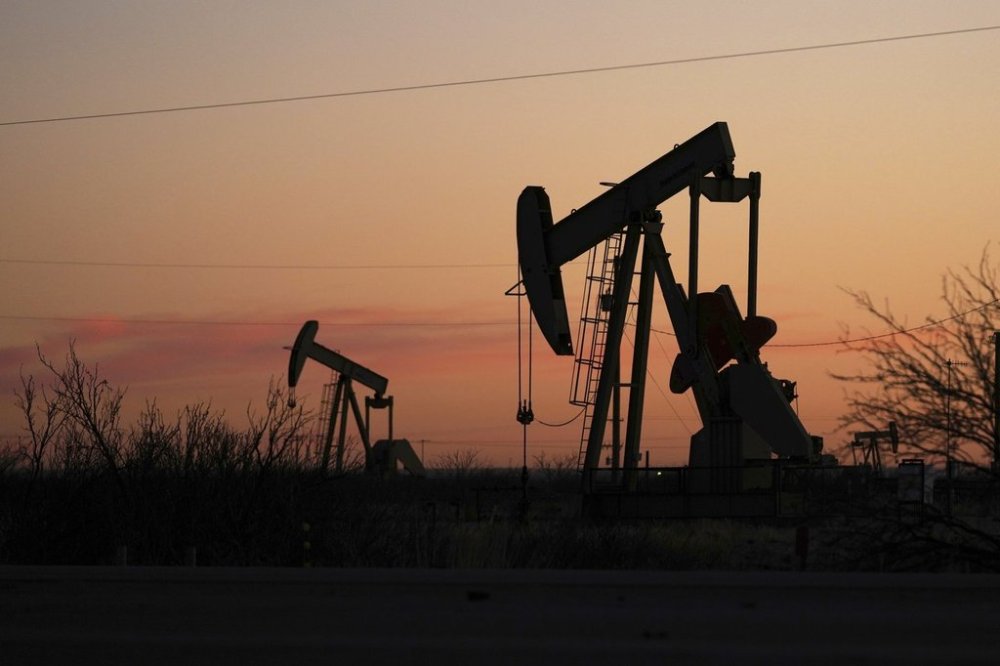
The 2023 lawsuit from a coalition of environmental groups was the first to invoke the constitution’s pollution-control clause, a 1971 amendment requiring that New Mexico prevent the contamination of air, water and other natural resources.
“While plaintiffs correctly observe that, as the ‘Land of Enchantment,’ the state’s beauty is central to our identity, we cannot ignore the long history of permitting oil and gas extraction within our borders,” the panel wrote, invoking the state motto. “If anything, the law, history, and tradition of our state demonstrates that resource extraction must be considered alongside, and must coexist with, pollution control legislation.”
Gail Evans, an attorney at the Center for Biological Diversity and lead counsel on the case, said Tuesday’s opinion would dismiss the case entirely if unchallenged and “displays a fundamental misunderstanding of our constitution and constitutional rights.” She said plaintiffs intent to appeal to the state Supreme Court.
“Fifty years ago, New Mexico voted to amend the constitution and to provide protections from industry pollution and the court has found today that the amendment — the pollution control clause — is essentially meaningless, and that has to be wrong,” Evans said.
The court challenge comes as New Mexico’s state government rides a wave of record income from development in the Permian Basin, one of the world’s most productive, oil-producing regions.
Oil-related revenue collections underwrite a considerable amount of the state’s budget, including public education.
Gov. Michelle Lujan Grisham’s administration is policing the industry with regulations that target methane and other emissions. But the Center for Biological Diversity and other groups say these efforts are not enough and that the state is failing to enforce existing pollution-control measures.
Attorneys for the Democratic-led Legislature and environmental regulators said the lawsuit threatened their constitutional authority.
Appeals Judge Katherine Wray issued an additional concurring opinion, expressing further limitations of the pollution control clause.