

US imposes sanctions on El Chapo’s fugitive sons, offers $10 million reward for their capture
Advertisement
Read this article for free:
or
Already have an account? Log in here »
To continue reading, please subscribe:
Monthly Digital Subscription
$1 per week for 24 weeks*
- Enjoy unlimited reading on winnipegfreepress.com
- Read the E-Edition, our digital replica newspaper
- Access News Break, our award-winning app
- Play interactive puzzles
*Billed as $4.00 plus GST every four weeks. After 24 weeks, price increases to the regular rate of $19.95 plus GST every four weeks. Offer available to new and qualified returning subscribers only. Cancel any time.
Monthly Digital Subscription
$4.99/week*
- Enjoy unlimited reading on winnipegfreepress.com
- Read the E-Edition, our digital replica newspaper
- Access News Break, our award-winning app
- Play interactive puzzles
*Billed as $19.95 plus GST every four weeks. Cancel any time.
To continue reading, please subscribe:
Add Free Press access to your Brandon Sun subscription for only an additional
$1 for the first 4 weeks*
*Your next subscription payment will increase by $1.00 and you will be charged $16.99 plus GST for four weeks. After four weeks, your payment will increase to $23.99 plus GST every four weeks.
Read unlimited articles for free today:
or
Already have an account? Log in here »
Hey there, time traveller!
This article was published 09/06/2025 (292 days ago), so information in it may no longer be current.
WASHINGTON (AP) — The United States on Monday imposed sanctions on the two fugitive sons of incarcerated Mexican Sinaloa Cartel leader Joaquin “El Chapo” Guzman and announced a reward offer of up to $10 million each for information leading to the arrest or conviction of the men.
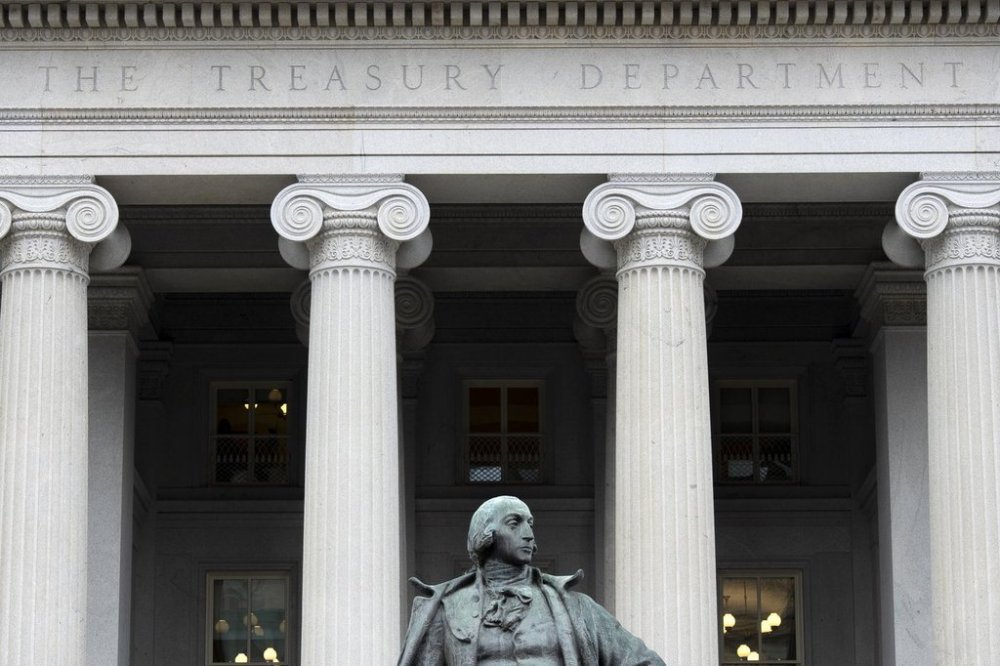
The U.S. Treasury Department announced sanctions on Archivaldo Ivan Guzman Salazar and Jesus Alfredo Guzman Salazar who are believed to be currently located in Mexico.
Guzman’s other sons — Joaquin Guzman Lopez and Ovidio Guzman Lopez — are currently incarcerated in the United States. In May, federal prosecutors announced they would not seek the death penalty for Joaquin Guzman Lopez if he’s convicted of multiple charges in Chicago.
Sanctions were also imposed on a faction of the Sinaloa cartel known as the “Chapitos,” or little Chapos, which has been identified as a main exporter of fentanyl to the U.S. as well as a regional network of Chapitos associates and businesses based in Mazatlan, Mexico, that allegedly engage in drug trafficking, extortion and money laundering.
According to federal prosecutors, El Chapo smuggled mountains of cocaine and other drugs into the United States over 25 years. He was convicted in 2019 on multiple conspiracy counts and sentenced to life in a U.S. prison.
“At the Department of the Treasury, we are executing on President Trump’s mandate to completely eliminate drug cartels and take on violent leaders like ‘El Chapo’s’ children,” Treasury Secretary Scott Bessent said in a statement.
Mexico’s foreign relations office didn’t immediately respond to a request for comment.
David Saucedo, a Mexican security analyst, said that offering financial rewards and to protect witnesses has been an important tool employed by the U.S. government in recent years. In some key cases against cartel leaders, up to 20% of the U.S. law enforcement have obtained has been through such payouts, Saucedo said.
“People inside the criminal organization betray their leaders and turn into informants,” Saucedo said. “It’s this money, this ambition that authorities in the United States are using to break apart narcotrafficking organizations in Mexico.”
It’s a strategy that was employed by the Biden administration and now is being used under Trump as authorities attempt to crack down on Mexican cartels.
The Sinaloa Cartel, through various incarnations, is Mexico’s oldest criminal group, dating to the 1970s. One of their most lucrative businesses in recent years has been the production of the synthetic opioid fentanyl, blamed for tens of thousands of overdose deaths each year in the U.S. The Trump administration in February labeled the Sinaloa cartel a foreign terrorist organizations.
—
Associated Press writer Megan Janetsky reported from Mexico City.