

Former Nigerian president Buhari is buried as thousands pay respects
Advertisement
Read this article for free:
or
Already have an account? Log in here »
To continue reading, please subscribe:

Digital Subscription
One year of digital access for only $205*
- Enjoy unlimited reading on winnipegfreepress.com
- Read the E-Edition, our digital replica newspaper
- Access News Break, our award-winning app
- Play interactive puzzles
*First annual payment billed as $205.00 + GST for one year. This annual subscription will automatically renew at $233.00 + GST every 52 weeks (10% off the regular annual price of $259.35). Offer available to new and qualified returning subscribers only. Cancel any time.
To continue reading, please subscribe:
Add Free Press access to your Brandon Sun subscription for only an additional
$1 for the first 4 weeks*
- Enjoy unlimited reading on winnipegfreepress.com
- Read the E-Edition, our digital replica newspaper
- Access News Break, our award-winning app
- Play interactive puzzles
*Your next Brandon Sun subscription payment will increase by $1.00 and you will be charged $17.95 plus GST for four weeks. After four weeks, your payment will increase to $24.95 plus GST every four weeks.
Read unlimited articles for free today:
or
Already have an account? Log in here »
Hey there, time traveller!
This article was published 15/07/2025 (390 days ago), so information in it may no longer be current.
LAGOS, Nigeria (AP) — Former Nigerian President Muhammadu Buhari was buried Tuesday in his northern hometown as thousands of people lined the streets to say goodbye.
Buhari died aged 82 on Sunday in London after battling an undisclosed illness that kept him out of public life since he handed over power in 2023.
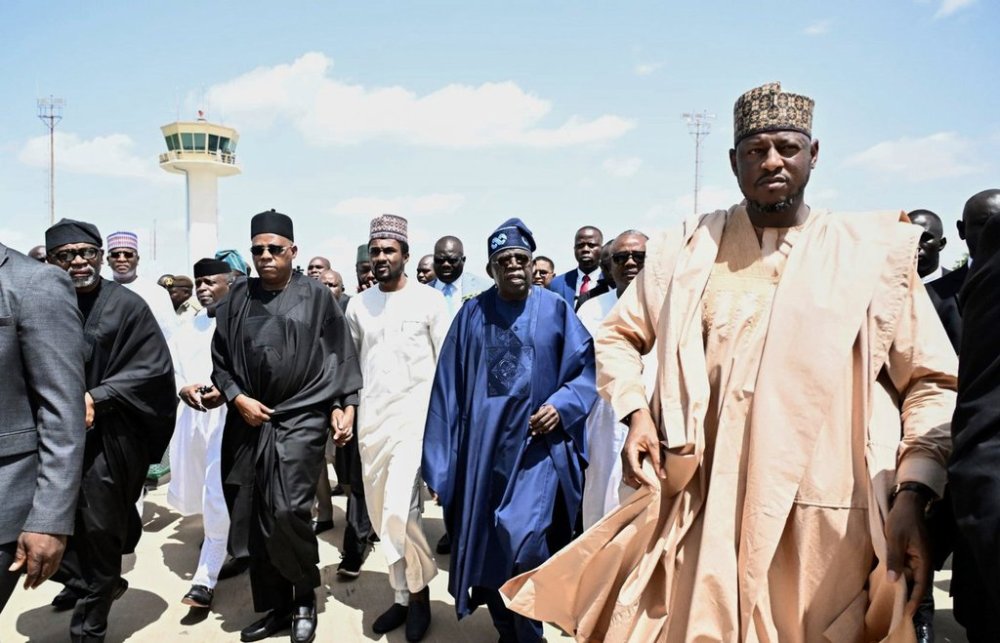
Current President Bola Tinubu and several regional leader attended. Senegal’s President Bassirou Faye described Buhari as a “leading figure in Nigerian and and African political life.”
Buhari ruled Africa’s most populous nation twice as a military dictator and democratic president and was one of the country’s most influential figures. His presidency was marked by a prolonged health crisis that led to long medical trips abroad.
His legacy includes a widespread clampdown on human rights, isolationist economic policies and escalating insecurity.
He first came to power in a coup in 1983 and was ousted two years later. He then won presidential elections in 2015 and 2019, making him the second-longest Nigerian leader.