

Coast Guard says rotten wood and poor inspections led to deadly schooner mast collapse
Advertisement
Read this article for free:
or
Already have an account? Log in here »
To continue reading, please subscribe:

Digital Subscription
One year of digital access for only $205*
- Enjoy unlimited reading on winnipegfreepress.com
- Read the E-Edition, our digital replica newspaper
- Access News Break, our award-winning app
- Play interactive puzzles
*First annual payment billed as $205.00 + GST for one year. This annual subscription will automatically renew at $233.00 + GST every 52 weeks (10% off the regular annual price of $259.35). Offer available to new and qualified returning subscribers only. Cancel any time.
To continue reading, please subscribe:
Add Free Press access to your Brandon Sun subscription for only an additional
$1 for the first 4 weeks*
- Enjoy unlimited reading on winnipegfreepress.com
- Read the E-Edition, our digital replica newspaper
- Access News Break, our award-winning app
- Play interactive puzzles
*Your next Brandon Sun subscription payment will increase by $1.00 and you will be charged $17.95 plus GST for four weeks. After four weeks, your payment will increase to $24.95 plus GST every four weeks.
Read unlimited articles for free today:
or
Already have an account? Log in here »
Hey there, time traveller!
This article was published 31/07/2025 (425 days ago), so information in it may no longer be current.
PORTLAND, Maine (AP) — Rotten wood and poor inspections appear to have played roles in the collapse of the mast of a historic Maine schooner in an accident that killed one person and injured several others, the U.S. Coast Guard said in a report made public on Thursday.
The Coast Guard launched a formal investigation after the main mast of the Grace Bailey splintered and fell onto the deck in October 2023 as the 1882-built schooner was returning from a four-day cruise.
The report stated that “deterioration went unnoticed and unaddressed” due to a lack of thorough inspections. It also said oversight and reporting about mast inspections and inspection processes were not adequately documented.
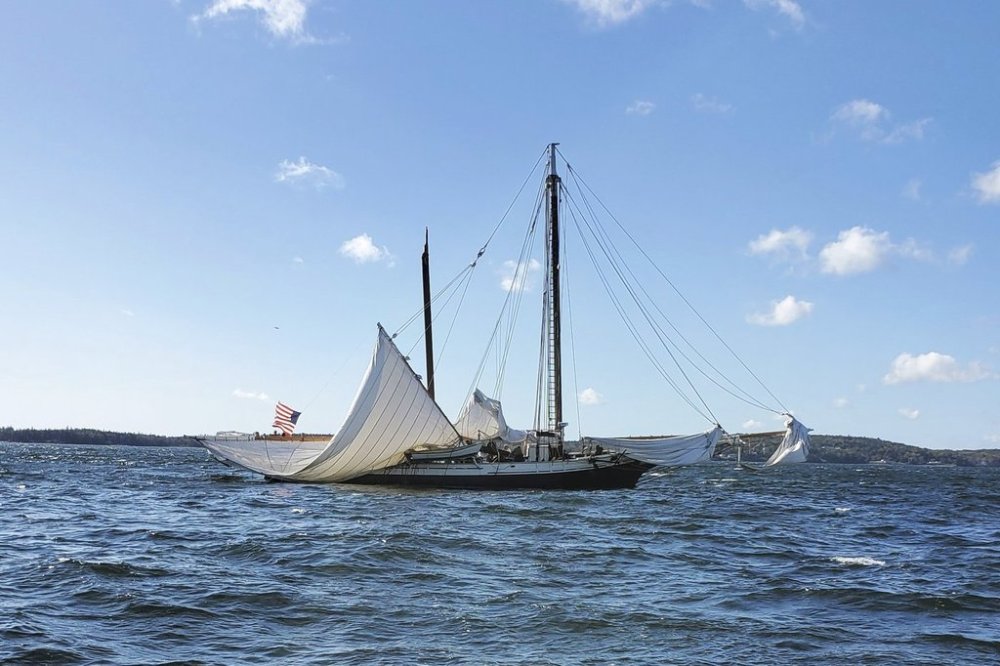
“Inspections were not adequately documented, and there were no formal expectations set for reporting inspection findings. This lack of oversight likely contributed to delayed or inadequate responses to emerging issues, allowing hazards to persist and escalate unchecked,” the report states.
The collapse killed Rockland physician Dr. Emily Mecklenburg, 40, who was on board.
The report states that “it is not recommended that criminal prosecution be taken against any person or entity.” But the report faults not just the operators of the vessel but also the Coast Guard itself. It states that Coast Guard mast inspection procedures were “insufficient for detecting rotted conditions in Grace Bailey’s masts.”
The owners of the vessel, the Grace Bailey Navigation Company of Rockland, said in a statement that the Grace Bailey crew “continues to hold Emily closely in our hearts and minds.” The owners said they fully cooperated with the investigation and are they appreciate the focus on increasing safety for wooden sailing vessels.
“After a thorough overhaul of the Grace Bailey and passing a regular safety inspection by the Coast Guard, the Grace Bailey is back sailing, allowing our passengers to enjoy the beauty of Maine’s coastline,” the statement said.
The report includes nine recommendations for the Coast Guard to implement to try to prevent mast collapses in the future. The top recommendation states there should be broad collaboration with sailing industry organizations and others to identify wooden mast material characteristics and conditions that can contribute to decay.
The Grace Bailey is one of a group of vessels commonly called the windjammer fleet, which provide excursions along the Maine coast. The vessel is 118 feet (36 meters) and can carry 29 passengers.