

Afghanistan has its ‘sharpest surge’ ever of child malnutrition, UN agency says
Advertisement
Read this article for free:
or
Already have an account? Log in here »
To continue reading, please subscribe:

Digital Subscription
One year of digital access for only $205*
- Enjoy unlimited reading on winnipegfreepress.com
- Read the E-Edition, our digital replica newspaper
- Access News Break, our award-winning app
- Play interactive puzzles
*First annual payment billed as $205.00 + GST for one year. This annual subscription will automatically renew at $233.00 + GST every 52 weeks (10% off the regular annual price of $259.35). Offer available to new and qualified returning subscribers only. Cancel any time.
To continue reading, please subscribe:
Add Free Press access to your Brandon Sun subscription for only an additional
$1 for the first 4 weeks*
- Enjoy unlimited reading on winnipegfreepress.com
- Read the E-Edition, our digital replica newspaper
- Access News Break, our award-winning app
- Play interactive puzzles
*Your next Brandon Sun subscription payment will increase by $1.00 and you will be charged $17.95 plus GST for four weeks. After four weeks, your payment will increase to $24.95 plus GST every four weeks.
Read unlimited articles for free today:
or
Already have an account? Log in here »
Hey there, time traveller!
This article was published 04/08/2025 (411 days ago), so information in it may no longer be current.
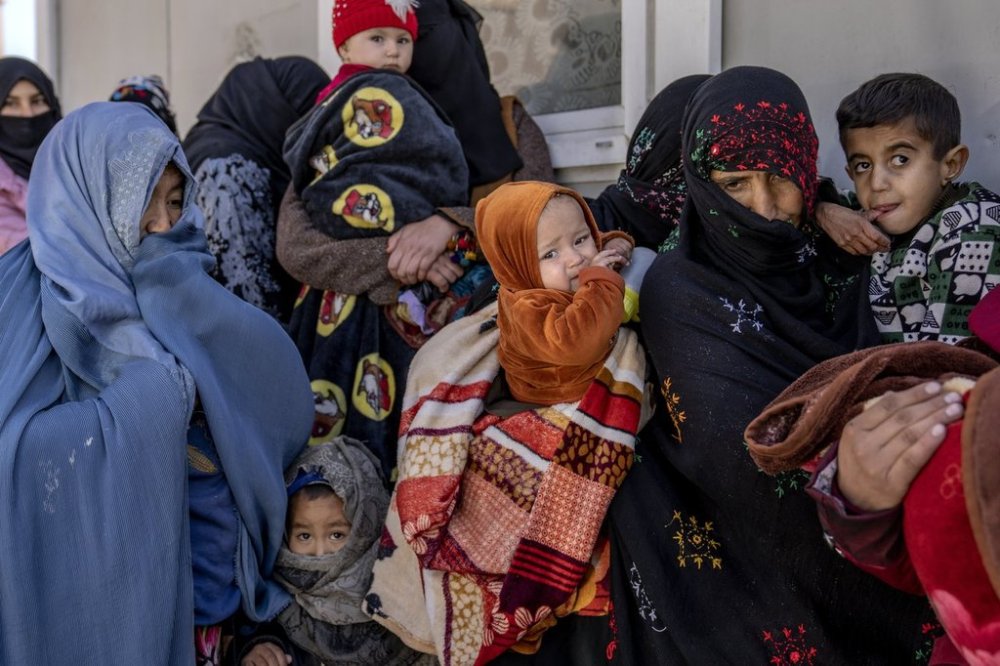
ISLAMABAD (AP) — Afghanistan is seeing its sharpest-ever surge of child malnutrition, the World Food Program said Monday, adding it needed $539 million to help the country’s most vulnerable families.
Almost 10 million people, a quarter of Afghanistan’s population, face acute food insecurity. One in three children is stunted.
The WFP said the rise in child malnutrition was linked to a drop in emergency food assistance over the past two years because of dwindling donor support. In April, the administration of U.S. President Donald Trump cut off food aid to Afghanistan, one of the world’s poorest countries.
The U.S. had been the largest funder of the WFP, providing $4.5 billion of the $9.8 billion in donations last year. Previous U.S. administrations viewed such aid as serving national security by alleviating conflict, poverty, extremism and curbing migration.
Food insecurity in Afghanistan is being worsened by mass returns from neighboring countries, which are deporting foreigners they say are living there illegally.
The WFP said it has supported 60,000 Afghans returning from Iran in the last two months, a fraction of those crossing the border.
“Going forward, the WFP does not have sufficient funding to cover the returnee response at this time and requires $15 million to assist all eligible returnees from Iran,” said WFP Communications Officer Ziauddin Safi. He said the agency needs $539 million through January to help vulnerable families across Afghanistan.
Climate change is also hurting the population, especially those in rural areas.
Matiullah Khalis, head of the National Environmental Protection Agency, said last week that drought, water shortages, declining arable land, and flash floods were having a “profound impact” on people’s lives and the economy.