

Federal judge rules Trump administration cannot reallocate billions meant for disaster mitigation
Advertisement
Read this article for free:
or
Already have an account? Log in here »
To continue reading, please subscribe:
Monthly Digital Subscription
$1 per week for 24 weeks*
- Enjoy unlimited reading on winnipegfreepress.com
- Read the E-Edition, our digital replica newspaper
- Access News Break, our award-winning app
- Play interactive puzzles
*Billed as $4.00 plus GST every four weeks. After 24 weeks, price increases to the regular rate of $19.95 plus GST every four weeks. Offer available to new and qualified returning subscribers only. Cancel any time.
Monthly Digital Subscription
$4.99/week*
- Enjoy unlimited reading on winnipegfreepress.com
- Read the E-Edition, our digital replica newspaper
- Access News Break, our award-winning app
- Play interactive puzzles
*Billed as $19.95 plus GST every four weeks. Cancel any time.
To continue reading, please subscribe:
Add Free Press access to your Brandon Sun subscription for only an additional
$1 for the first 4 weeks*
*Your next subscription payment will increase by $1.00 and you will be charged $16.99 plus GST for four weeks. After four weeks, your payment will increase to $23.99 plus GST every four weeks.
Read unlimited articles for free today:
or
Already have an account? Log in here »
Hey there, time traveller!
This article was published 05/08/2025 (233 days ago), so information in it may no longer be current.
BOSTON (AP) — A federal judge on Tuesday blocked the Trump administration from reallocating $4 billion meant to help communities protect against natural disasters.
U.S. District Judge Richard G. Stearns in Boston granted a preliminary injunction sought by 20 Democrat-led states while their lawsuit over the funding moves ahead.
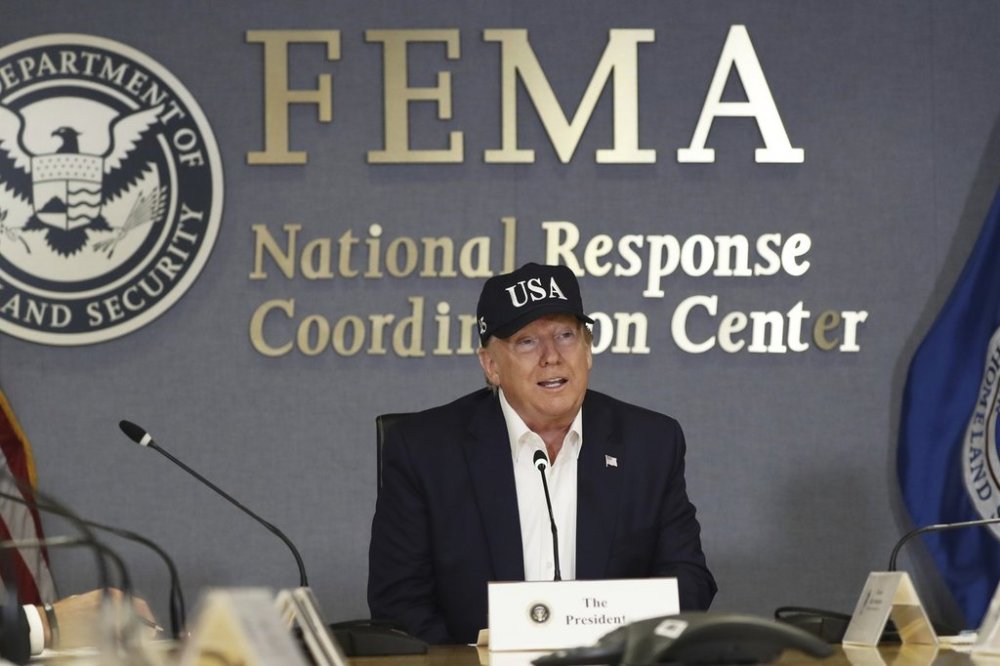
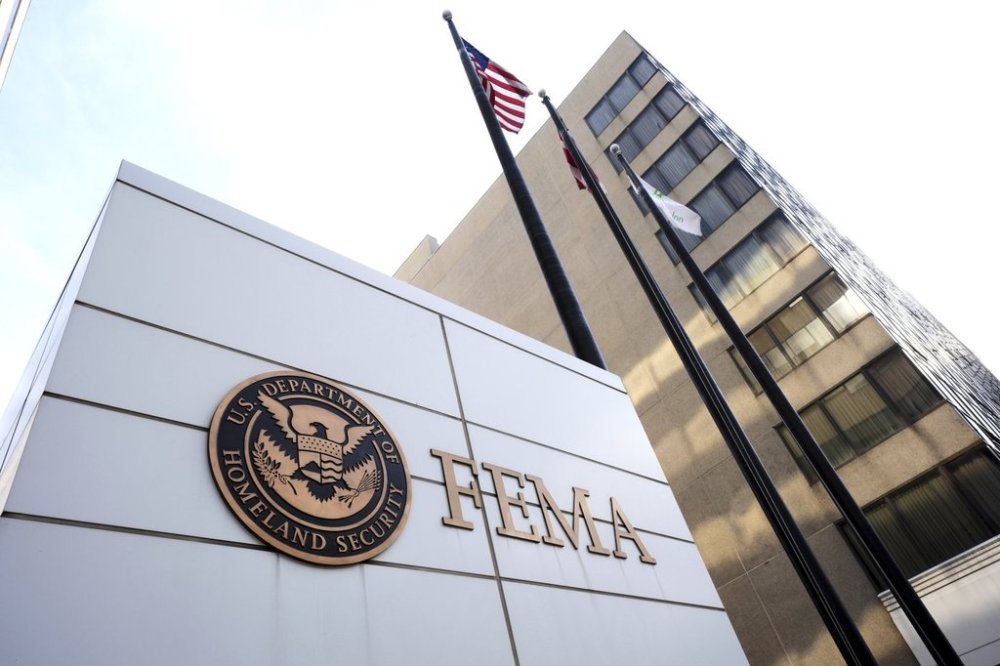
A spokesperson for the Federal Emergency Management Agency did not immediately respond to a request for comment.
Massachusetts Attorney General Andrea Campbell said in a statement that she would continue fighting to make sure “communities can adequately prepare for natural disasters.”
Massachusetts and the other states that brought the lawsuit argued FEMA lacked the authority to end the Building Resilient Infrastructure and Communities program and redirect more than $4 billion of its funding. The program aims to harden infrastructure around the country against potential storm damage.
FEMA initially announced it was ending the program, but later said in a court filing that it was evaluating it.
Noting money for the program was allocated by Congress, the states’ lawsuit says any attempt to redirect it would run afoul of the Constitution.
A lawyer for the government, Nicole O’Connor, argued at a hearing in July that the funds can be used both for disaster recovery and disaster prevention and that FEMA should have discretion to use the money how it sees fit.
In his ruling, Stearns said he was not convinced Congress had given FEMA any discretion to redirect the funds. The states had also shown that the “balance of hardship and public interest” was in their favor.
“There is an inherent public interest in ensuring that the government follows the law, and the potential hardship accruing to the States from the funds being repurposed is great,” Stearns wrote. “The BRIC program is designed to protect against natural disasters and save lives.”
The program has provided grants for a range of disaster management projects, including strengthening electrical grids, constructing levees for flood protection and relocating vulnerable water treatment facilities. Many of the projects are in rural communities.
FEMA said in a news release in April that it was “ending” the program, but the agency’s acting chief, David Richardson, later said in a court filing that FEMA was merely evaluating whether to end or revise it.
Stearns said it appeared FEMA had decided to end the program and was “inching towards a fait accompli,” noting it had cancelled new funding opportunities and told stakeholders they shouldn’t expect any unobligated funding.
The states, including California, New York and Washington, argued that the threat of losing the funding alone had put numerous projects at risk of being cancelled, delayed or downsized. And they warned ending the program would be highly imprudent.
“By proactively fortifying our communities against disasters before they strike, rather than just responding afterward, we will reduce injuries, save lives, protect property, and, ultimately, save money that would otherwise be spent on post-disaster costs,” they wrote in the suit filed in July.
FEMA said in a court filing that an injunction on its use of the funds could hamper its ability to respond to major disasters.
But Stearns said the administration could come back to him to release funding should a disaster of “unprecedented proportions” occur.