

Cheetah cubs destined for the illegal trade in exotic wildlife rescued in Somaliland
Advertisement
Read this article for free:
or
Already have an account? Log in here »
To continue reading, please subscribe:
Digital Subscription
One year of digital access for only $1.44 a week*
- Enjoy unlimited reading on winnipegfreepress.com
- Read the E-Edition, our digital replica newspaper
- Access News Break, our award-winning app
- Play interactive puzzles
*Billed as $5.77 plus GST every four weeks. After 52 weeks, price increases to the regular rate of $19.95 plus GST every four weeks. Offer available to new and qualified returning subscribers only. Cancel any time.
To continue reading, please subscribe:
Add Free Press access to your Brandon Sun subscription for only an additional
$1 for the first 4 weeks*
- Enjoy unlimited reading on winnipegfreepress.com
- Read the E-Edition, our digital replica newspaper
- Access News Break, our award-winning app
- Play interactive puzzles
*Your next Brandon Sun subscription payment will increase by $1.00 and you will be charged $17.95 plus GST for four weeks. After four weeks, your payment will increase to $24.95 plus GST every four weeks.
Read unlimited articles for free today:
or
Already have an account? Log in here »
Hey there, time traveller!
This article was published 20/08/2025 (423 days ago), so information in it may no longer be current.
NAIROBI, Kenya (AP) — Ten cheetah cubs held in captivity since birth and destined for international wildlife trade markets have been rescued in Somaliland, a breakaway region of Somalia
Laurie Marker, the founder of the Cheetah Conservation Fund (CCF). which is caring for the cubs, said Wednesday they were all in a stable condition despite all of them having been undernourished and limping due to being tied in captivity for months.
She said one 8-month-old cub was unable to walk after been tied up for six months, while a 5-month-old was “very malnourished (a bag of bones), with sores all over her body and full of botfly maggots which are under the skin.”
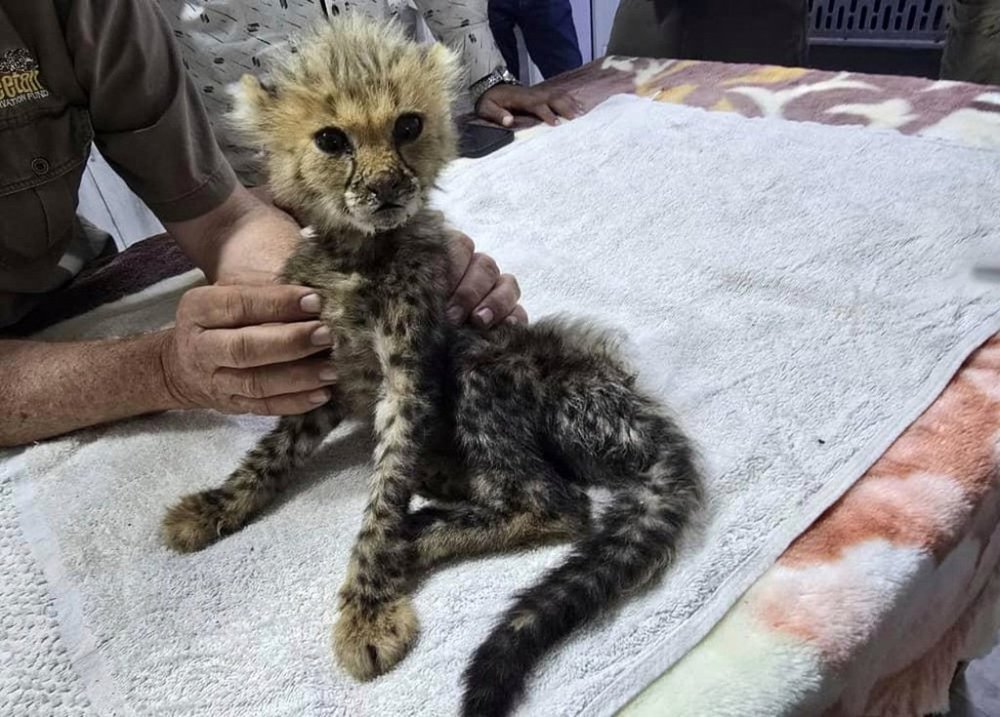
“But with cubs like this, we need to start them onto on food slowly due to refeeding syndrome, similar to people in starvation,” she added.
Two people who were in possession of the cubs were arrested during a Aug 14 operation in the northern Sallahley District. The authorities have urged the public to report suspected wildlife trade activities.
Environment Ministry Director Abdinasir Hussein Said told journalists that the cheetah cubs have joined a group of 109 others rescued in similar operations.
Somaliland is a major transit hub for the illegal wildlife trade. Hundreds of cheetahs and leopards from the Horn of Africa have been transported to Gulf countries through the Gulf of Aden.
Possession of wildlife is illegal in Somaliland, and police often crack down on suspected traders.
“We encourage the people of Somaliland to protect wildlife in their natural habitats, as their best interests lie there,” said Hussein. “We can imagine the distress of a mother being separated from her young.
“These animals are currently suffering due to being separated from their mothers, which may lead to the mothers experiencing stress and potentially dying. Once again, we emphasize the importance of protecting wildlife in their habitats.”
Conservationists in the Horn of Africa have previously expressed concern over the rise in demand for exotic pets in Gulf countries and the resulting illegal trade affecting ecosystems in Horn of Africa nations.
——-
Associated Press journalist Mohamed Sheikh Nor contributed to this report from Mogadishu, Somalia