

A major strike in Portugal severely disrupts travel and public services
Advertisement
Read this article for free:
or
Already have an account? Log in here »
To continue reading, please subscribe:

Digital Subscription
One year of digital access for only $205*
- Enjoy unlimited reading on winnipegfreepress.com
- Read the E-Edition, our digital replica newspaper
- Access News Break, our award-winning app
- Play interactive puzzles
*First annual payment billed as $205.00 + GST for one year. This annual subscription will automatically renew at $233.00 + GST every 52 weeks (10% off the regular annual price of $259.35). Offer available to new and qualified returning subscribers only. Cancel any time.
To continue reading, please subscribe:
Add Free Press access to your Brandon Sun subscription for only an additional
$1 for the first 4 weeks*
- Enjoy unlimited reading on winnipegfreepress.com
- Read the E-Edition, our digital replica newspaper
- Access News Break, our award-winning app
- Play interactive puzzles
*Your next Brandon Sun subscription payment will increase by $1.00 and you will be charged $17.95 plus GST for four weeks. After four weeks, your payment will increase to $24.95 plus GST every four weeks.
Read unlimited articles for free today:
or
Already have an account? Log in here »
Hey there, time traveller!
This article was published 11/12/2025 (236 days ago), so information in it may no longer be current.
LISBON, Portugal (AP) — A strike called by Portugal’s two main trade union confederations severely disrupted travel Thursday and forced the cancellation of many medical appointments and school classes. Government and municipal services, including trash collection, were also badly hit.
The two labor groups representing close to a million Portuguese workers say it could be the country’s biggest walkout in more than 10 years as they contest the center-right government’s planned changes to employment laws.
The unions say the changes strip workers of entitlements, while the government argues they are needed to make the economy more supple and spur growth.
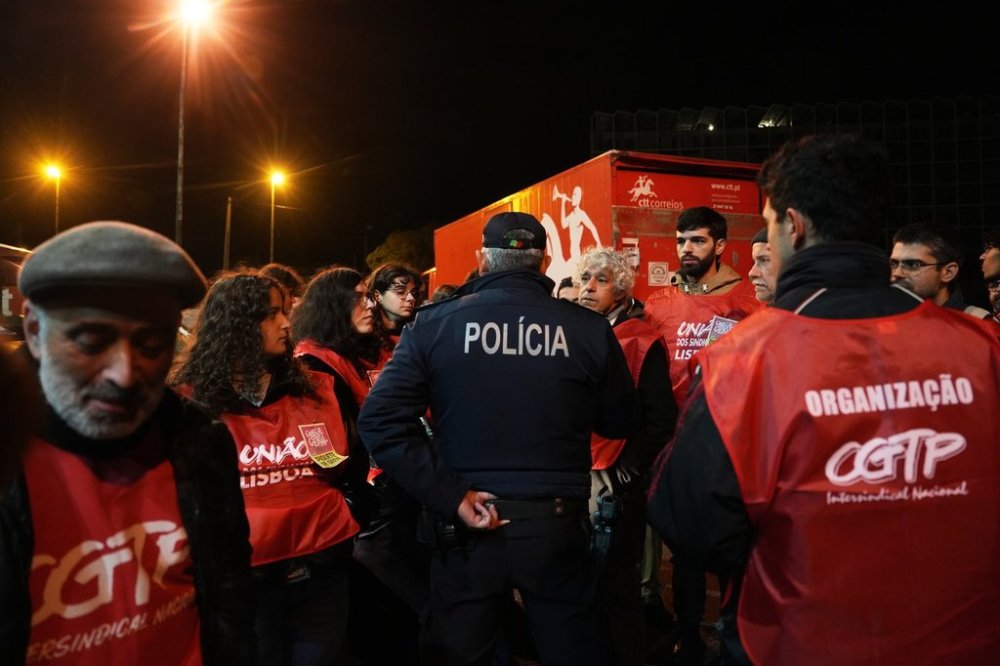
The proposed changes include making it easier for companies to fire workers, denying the right to strike in additional sectors of the economy and limiting breastfeeding breaks for mothers to the first two years of a baby’s life from the current open-ended dispensation.
Downtown Lisbon was strikingly quiet, with few pedestrians and light traffic compared to a usual weekday in the capital as some people went on strike and others worked from home to avoid the transport disruption.
At Lisbon international airport, dozens of flights were canceled as pilots, flight attendants and baggage handlers walked out. The airport was open but largely deserted.
Flag carrier TAP Air Portugal operated only 63 of its 283 scheduled flights, in line with the minimum level of service required by law. The airline had previously warned passengers about the strike and offered to put them on other flights.
Train and bus services across Portugal also ran a skeleton service. The Lisbon Metro subway said services were suspended at 11 p.m. Wednesday and would resume only on Friday morning.
Private companies were also affected, with manufacturing and distribution companies reporting walkouts. Some Lisbon stores were closed.
It was the first time since 2013 that the umbrella groups — the General Workers’ Union and the General Confederation of Portuguese Workers — have joined forces.

The government’s Minister for the Cabinet, António Leitão Amaro, said the strike had little impact on the private sector. “Most Portuguese are at work,” he said.
But unions, which staged street marches in the afternoon, pronounced the strike a success.
“We are seeing workers demand that the government withdraw this labor (reform) package,” Tiago Oliveira, head of the General Confederation of Portuguese Workers, said. The strike “says a lot about the government’s attack and this is the response of the workers.”
Portugal has one of the European Union’s smallest economies and its workers are among the lowest paid in the 27-nation bloc. The average monthly wage is around 1,600 euros ($1,870) before tax, according to the National Statistics Institute. The minimum monthly wage earned by hundreds of thousands of workers is 870 euros ($1,018) before tax.
The Portuguese are also being pinched by a housing and cost of living crisis, as property prices soar and inflation sticks at just over 2%.
The European Commission expects Portugal to achieve GDP growth of around 2% this year, above the EU average of 1.4%. Unemployment stands at under 6%, roughly the EU average.
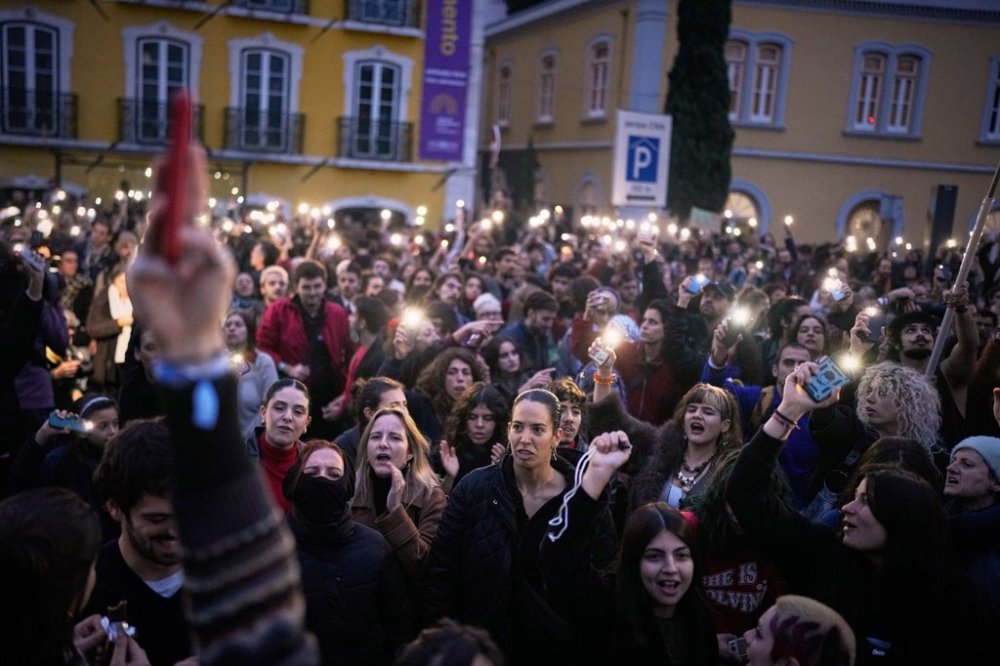
Social Democrat Prime Minister Luis Montenegro has described the strike as “senseless” because the country is doing well.
___
Helena Alves and Armando Franca in Lisbon, Portugal, contributed to this report.