

9 African migrants died in freezing temperatures near Morocco-Algeria border
Advertisement
Read this article for free:
or
Already have an account? Log in here »
To continue reading, please subscribe:

Digital Subscription
One year of digital access for only $205*
- Enjoy unlimited reading on winnipegfreepress.com
- Read the E-Edition, our digital replica newspaper
- Access News Break, our award-winning app
- Play interactive puzzles
*First annual payment billed as $205.00 + GST for one year. This annual subscription will automatically renew at $233.00 + GST every 52 weeks (10% off the regular annual price of $259.35). Offer available to new and qualified returning subscribers only. Cancel any time.
To continue reading, please subscribe:
Add Free Press access to your Brandon Sun subscription for only an additional
$1 for the first 4 weeks*
- Enjoy unlimited reading on winnipegfreepress.com
- Read the E-Edition, our digital replica newspaper
- Access News Break, our award-winning app
- Play interactive puzzles
*Your next Brandon Sun subscription payment will increase by $1.00 and you will be charged $17.95 plus GST for four weeks. After four weeks, your payment will increase to $24.95 plus GST every four weeks.
Read unlimited articles for free today:
or
Already have an account? Log in here »
Hey there, time traveller!
This article was published 14/12/2025 (252 days ago), so information in it may no longer be current.
CASABLANCA, Morocco (AP) — Exposure to freezing temperatures near Morocco’s border with Algeria killed nine African migrants, a tragedy that rights groups in the North African country called deeply concerning and a violation of the right to freedom of movement.
The bodies of seven men and two women were found in Ras Asfour, a remote mountainous Moroccan area known for its plunging temperatures in winter, the Moroccan Association of Human Rights said Saturday in a statement.
“They died from extreme cold, which their exhausted bodies could not withstand,” it said.
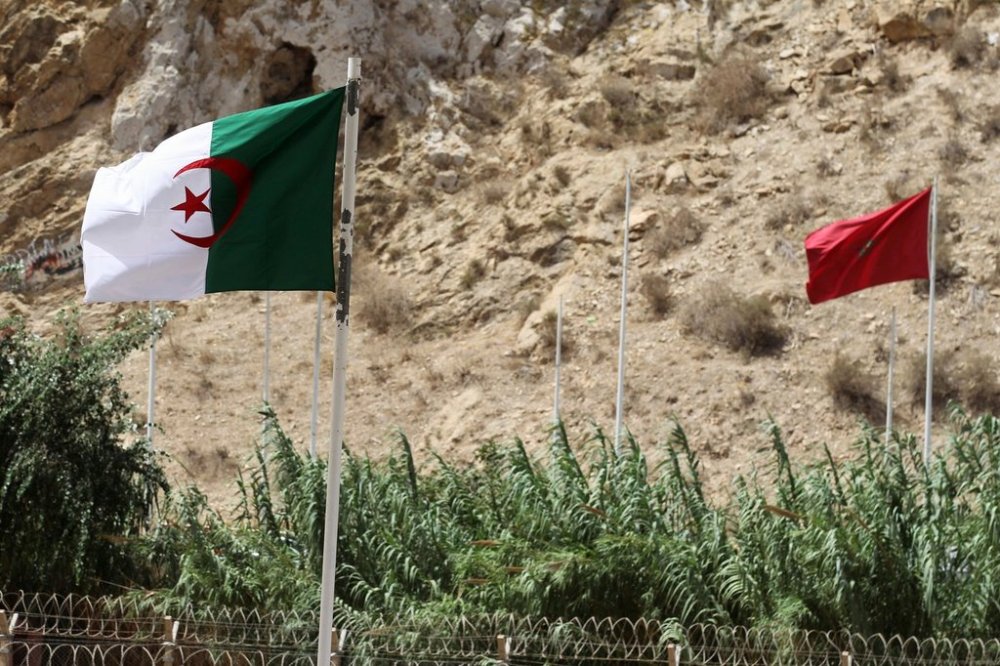
One of the migrants was from Guinea, the group said. The rest were from various countries throughout sub-Saharan Africa, though specific information about their identities remains unknown. Morocco’s Interior Ministry did not immediately respond to questions about the individuals who died.
Every year, thousands of migrants seeking better living conditions attempt to crossing illegal from North Africa to Europe, including from Morocco to Spain. Some aim for Ceuta and Melilla – two tiny Spanish enclaves in North Africa – by scaling border fences or swimming. Others attempt to reach Spain’s Canary Islands, taking a longer route through the Atlantic Ocean.
The North African nation’s security forces regularly report blocking such attempts.
Throughout Europe and Africa, North Africa is known as a transit point for migrants en route to Europe’s southern border.
Security agreements with the European Union have strengthen authorities’ ability to deter migration in North Africa. Many who originally intended to migrate to Europe spend months or years working informally — doing construction, agriculture or domestic work. Others rely on aid while waiting for opportunities to cross the Mediterranean Sea or Atlantic Ocean.
The Moroccan Association of Human Rights statement said six of the bodies were buried last week and two were kept at the request of their relatives. “We will make sure that this case is followed up on,” it said.
The Moroccan Organization of Human Rights — a different association — earlier this week called for the humanization of borders, the decriminalization of illegal migration and residence, and the creation of a mechanism to track missing migrants to prevent tragedies like the one in Ras Asfour.
___
Follow AP’s global migration coverage at https://apnews.com/hub/migration