

Illinois law generates $1.5B to save public transit from fiscal calamity
Advertisement
Read this article for free:
or
Already have an account? Log in here »
To continue reading, please subscribe:

Digital Subscription
One year of digital access for only $205*
- Enjoy unlimited reading on winnipegfreepress.com
- Read the E-Edition, our digital replica newspaper
- Access News Break, our award-winning app
- Play interactive puzzles
*First annual payment billed as $205.00 + GST for one year. This annual subscription will automatically renew at $233.00 + GST every 52 weeks (10% off the regular annual price of $259.35). Offer available to new and qualified returning subscribers only. Cancel any time.
To continue reading, please subscribe:
Add Free Press access to your Brandon Sun subscription for only an additional
$1 for the first 4 weeks*
- Enjoy unlimited reading on winnipegfreepress.com
- Read the E-Edition, our digital replica newspaper
- Access News Break, our award-winning app
- Play interactive puzzles
*Your next Brandon Sun subscription payment will increase by $1.00 and you will be charged $17.95 plus GST for four weeks. After four weeks, your payment will increase to $24.95 plus GST every four weeks.
Read unlimited articles for free today:
or
Already have an account? Log in here »
Hey there, time traveller!
This article was published 16/12/2025 (266 days ago), so information in it may no longer be current.
SPRINGFIELD, Ill. (AP) — Illinois’ public transit systems got a $1.5 billion annual infusion on Friday as Gov. JB Pritzker signed a law overhauling Chicago’s web of buses and trains, sparing it from devastating service cuts and pledging upgraded performance and accountability.
Dozens of government, labor and transit leaders congregated for the ceremony at Chicago’s century-old Union Station, legendary architect Daniel Burnham’s vision for a centralized transportation hub through which 35 million commuters still move annually.
The law, which takes effect in June 2026, raises sales taxes in northeastern Illinois, slides into transit coffers a portion of the sales tax on gasoline and interest earnings on the state’s road construction fund. The revenue infusion promises to claw the program back from a so-called fiscal cliff caused largely by a drop off in funding from federal pandemic relief programs that has threatened metropolitan commuter lines outside of Chicago as well.
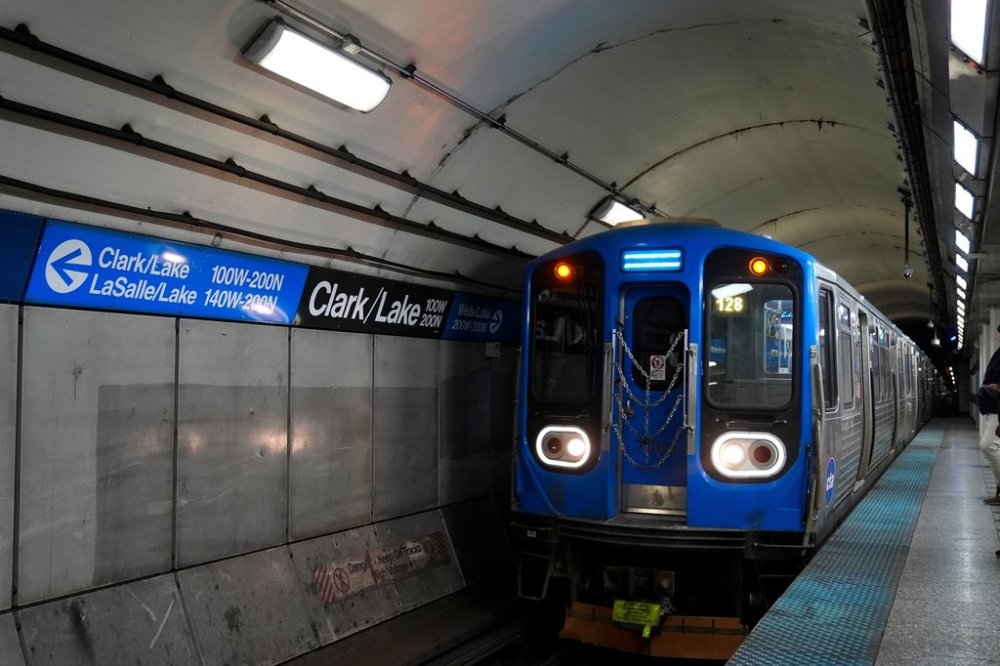
“Our state is tough and resilient and forward-looking. Far from heading toward the abyss, as some predicted, we are on the verge of delivering a world class transportation network,” Pritzker, a Democrat, said. “This new law not only averts the ‘cliff,’ but preserves affordability and makes transit safer and more reliable.”
The law, which was known as SB2111, creates the Northern Illinois Transit Authority as administrator of the region’s transit programs with responsibility for ensuring funding and comprehensive planning while the Chicago Transit Authority, Metra commuter rail and Pace suburban bus system focus on performance and reliability.
It promises safety improvements for a system often marred by crime and which received a particular black mark — not to mention ire from President Donald Trump — after a man on a downtown L train allegedly doused a 26-year-old woman with gasoline and set her afire in November.
Illinois, one of eight states that charge sales tax on gasoline, will generate $860 million in new transit funding by diverting gas sales tax from the road-construction fund; and $200 million from interest generated by the road fund, but that amount is expected to fall as principal is rolled out for road building. Nearly $150 million of that revenue is targeted for parts of the state outside Cook County, home to Chicago, and the five counties surrounding it.
Another $478 million is expected from a one-quarter percent increase in the sales tax in Cook and suburban counties.
That part particularly riled Republicans who claim that suburban residents are paying to fix Chicago’s problems. State Senate Minority Leader John Curran, a Republican from suburban Downers Grove, said it also freezes out “suburban representation on transit decisions.”
“Taxpayers deserve a long-term, fiscally-conservative plan that includes the reforms needed to ensure a world-class, safe and reliable system — not a Chicago takeover of suburban public transit,” Curran said.
But advocates contended that the Northern Illinois Transit Authority will have wide representation.
The authority will also govern funding allocation based on performance; oversee capital and long-term planning to allow CTA, Metra and Pace to concentrate on operation; provide for a powerful executive director to hold employees accountable; and require regular internal as well as periodic external audits.
Initiatives to improve safety will include cross-jurisdictional law enforcement cooperation led by the Cook County sheriff; in 2027, a “transit ambassador” plan will put unarmed staff on trains to assist riders with safety issues while law enforcement and social services will develop a long-term strategy for assistance; and there will be a mobile application allowing riders to report problems.
By 2030, a single, integrated system will collect and process all fares systemwide.