

Slovenia will hold parliamentary election on March 22
Advertisement
Read this article for free:
or
Already have an account? Log in here »
To continue reading, please subscribe:
Digital Subscription
One year of digital access for only $1.44 a week*
- Enjoy unlimited reading on winnipegfreepress.com
- Read the E-Edition, our digital replica newspaper
- Access News Break, our award-winning app
- Play interactive puzzles
*Billed as $5.77 plus GST every four weeks. After 52 weeks, price increases to the regular rate of $19.95 plus GST every four weeks. Offer available to new and qualified returning subscribers only. Cancel any time.
To continue reading, please subscribe:
Add Free Press access to your Brandon Sun subscription for only an additional
$1 for the first 4 weeks*
- Enjoy unlimited reading on winnipegfreepress.com
- Read the E-Edition, our digital replica newspaper
- Access News Break, our award-winning app
- Play interactive puzzles
*Your next Brandon Sun subscription payment will increase by $1.00 and you will be charged $17.95 plus GST for four weeks. After four weeks, your payment will increase to $24.95 plus GST every four weeks.
Read unlimited articles for free today:
or
Already have an account? Log in here »
Hey there, time traveller!
This article was published 06/01/2026 (288 days ago), so information in it may no longer be current.
LJUBLJANA, Slovenia (AP) — Slovenia’s president on Tuesday set a parliamentary election in the European Union country for March 22.
“I want the election to be conducted fairly, and I will pay attention to disinformation and manipulation, including from abroad,” President Natasa Pirc Musar said.
The vote for the 90-member assembly is seen as a test for the liberal government that is facing a challenge from populist right-wing parties.
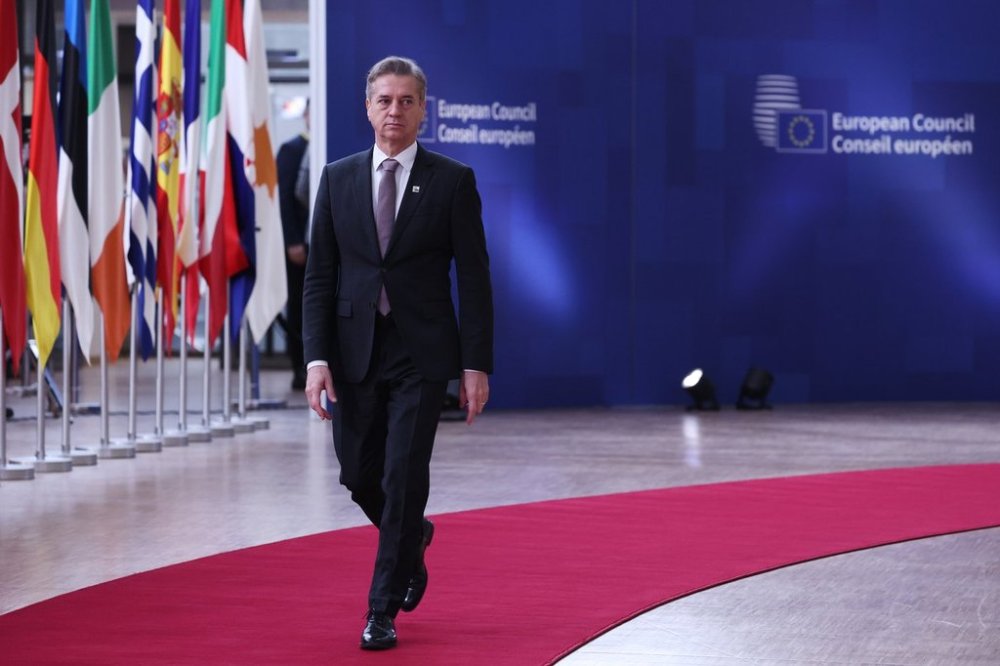
The Alpine country of 2 million people split from the communist-run former Yugoslavia in 1991, and joined NATO and the EU in 2004.
Prime Minister Robert Golob’s coalition government came to power in 2022, after defeating his populist predecessor Janez Jansa, who was seen as pushing the traditionally moderate nation to the right.
Under Golob, Slovenia recognized a Palestinian state, while the opposition accused him of slowing down the economy.
By law, Parliament must convene within 20 days of the election. Musar then has another 30 days to appoint a prime minister-designate backed by a majority of lawmakers.
She called on Tuesday for “respectful, responsible and tolerant communication during the election campaign.”
In a recent blow to the government, Slovenians in November rejected a bill on assisted dying in a referendum that would have allowed terminally ill patients to end their lives.