

The UK is watering down plans for mandatory digital ID cards after a backlash
Advertisement
Read this article for free:
or
Already have an account? Log in here »
To continue reading, please subscribe:

Digital Subscription
One year of digital access for only $205*
- Enjoy unlimited reading on winnipegfreepress.com
- Read the E-Edition, our digital replica newspaper
- Access News Break, our award-winning app
- Play interactive puzzles
*First annual payment billed as $205.00 + GST for one year. This annual subscription will automatically renew at $233.00 + GST every 52 weeks (10% off the regular annual price of $259.35). Offer available to new and qualified returning subscribers only. Cancel any time.
To continue reading, please subscribe:
Add Free Press access to your Brandon Sun subscription for only an additional
$1 for the first 4 weeks*
- Enjoy unlimited reading on winnipegfreepress.com
- Read the E-Edition, our digital replica newspaper
- Access News Break, our award-winning app
- Play interactive puzzles
*Your next Brandon Sun subscription payment will increase by $1.00 and you will be charged $17.95 plus GST for four weeks. After four weeks, your payment will increase to $24.95 plus GST every four weeks.
Read unlimited articles for free today:
or
Already have an account? Log in here »
Hey there, time traveller!
This article was published 14/01/2026 (202 days ago), so information in it may no longer be current.
LONDON (AP) — The British government has watered down plans for mandatory digital identification cards, a contentious idea it had touted as a way to help control immigration.
It’s the latest policy U-turn by Prime Minister Keir Starmer’s embattled center-left government, which is under fire from both opposition politicians and governing Labour Party lawmakers.
Officials confirmed Wednesday that it won’t be compulsory for citizens and residents to show a digital ID card in order to get a job, ditching a key plank of the policy announced in September.
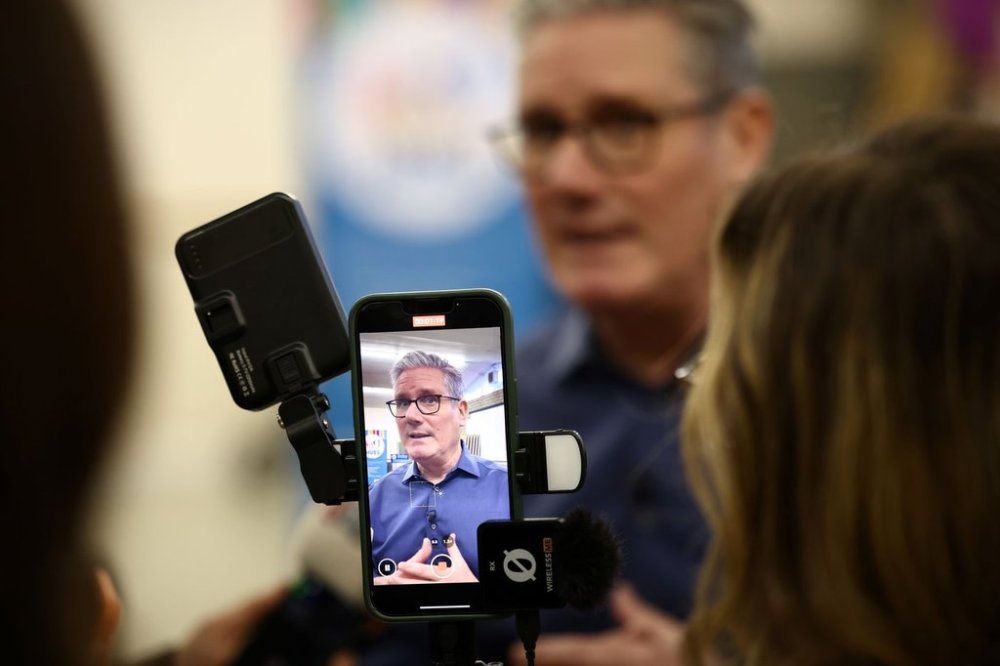
“The digital ID could be one way you prove your eligibility to work,” Transport Secretary Heidi Alexander told the BBC, alongside other documents such as biometric passports.
The government said detailed plans for digital ID cards will be “set out following a full public consultation which will launch shortly.”
Starmer announced in September that “you will not be able to work in the United Kingdom if you do not have digital ID. It’s as simple as that.”
He said the plan would help reduce unauthorized immigration by making it harder for people to work in the underground economy. He said it would also make it simpler for people to access health care, welfare, child care and other public services.
He faced an immediate backlash, with polls suggesting support for digital ID plummeted after Starmer backed the idea.
Britain has not had compulsory identity cards for ordinary citizens since shortly after World War II, and the idea has long been contentious. Civil rights campaigners argue it infringes personal liberty and puts people’s information at risk.
Former Prime Minister Tony Blair tried to introduce biometric ID cards two decades ago as a way of fighting terrorism and fraud, but the plan was abandoned after strong opposition from the public and Parliament.
After the latest policy shift, opposition Conservative Party chairman Kevin Hollinrake said that “Labour’s only consistent policy is retreat.” Liberal Democrat spokeswoman Lisa Smart said Starmer’s office “must be bulk-ordering motion sickness tablets at this rate to cope with all their U-turns.”