

Colombia says former FARC rebels have not kept promises to surrender cash and gold
Advertisement
Read this article for free:
or
Already have an account? Log in here »
To continue reading, please subscribe:
Monthly Digital Subscription
$1 per week for 24 weeks*
- Enjoy unlimited reading on winnipegfreepress.com
- Read the E-Edition, our digital replica newspaper
- Access News Break, our award-winning app
- Play interactive puzzles
*Billed as $4.00 plus GST every four weeks. After 24 weeks, price increases to the regular rate of $19.95 plus GST every four weeks. Offer available to new and qualified returning subscribers only. Cancel any time.
Monthly Digital Subscription
$4.99/week*
- Enjoy unlimited reading on winnipegfreepress.com
- Read the E-Edition, our digital replica newspaper
- Access News Break, our award-winning app
- Play interactive puzzles
*Billed as $19.95 plus GST every four weeks. Cancel any time.
To continue reading, please subscribe:
Add Free Press access to your Brandon Sun subscription for only an additional
$1 for the first 4 weeks*
*Your next subscription payment will increase by $1.00 and you will be charged $16.99 plus GST for four weeks. After four weeks, your payment will increase to $23.99 plus GST every four weeks.
Read unlimited articles for free today:
or
Already have an account? Log in here »
BOGOTA, Colombia (AP) — The former rebel group Revolutionary Armed Forces of Colombia, or FARC, is violating a 2016 peace deal with the Colombian government by failing to relinquish gold, land and other assets to fund reparations for the group’s victims, officials said Tuesday.
The Inspector General’s Office said in a report Tuesday that FARC has handed over only a small amount of the assets under its control, undermining efforts to help victims of Colombia’s decades-old conflict.
The rebels promised to surrender 444 kilograms (979 pounds) of gold under the 2016 peace deal, but have only turned in 252 kilograms (556 pounds) to authorities. They have handed over only one of the 722 rural properties they promised to hand over, and 17% of the cash, the agency said.
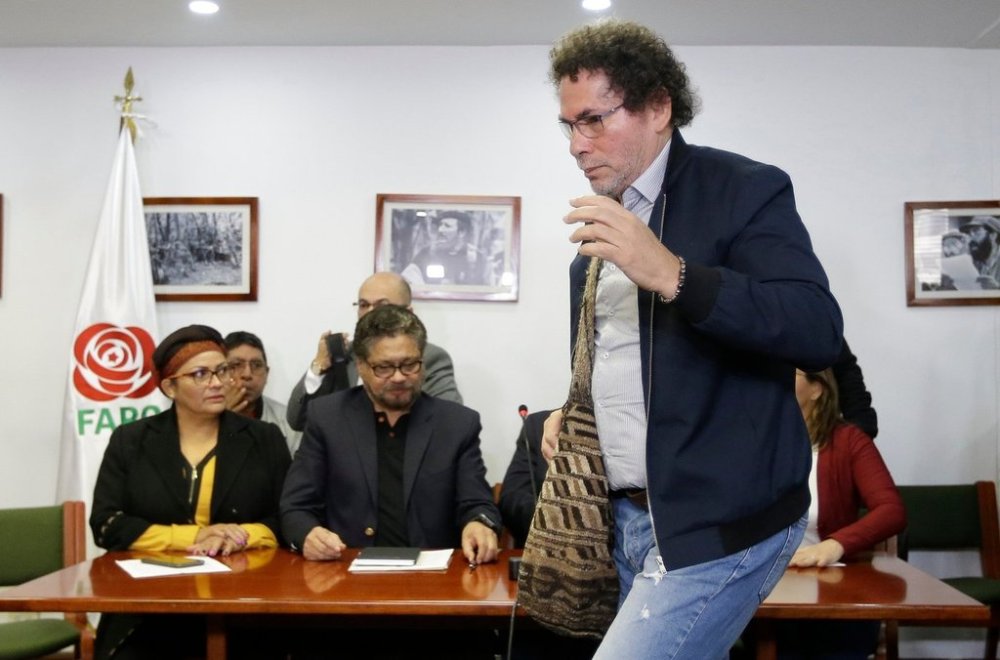
The FARC signed the historic deal with the government after fighting for at least five decades. The agreement spared FARC fighters from prison sentences, allowed them to form a political party and reserved 10 seats in Colombia’s congress for former members.
In exchange the group’s leaders agreed to handing over FARC assets to fund reparation projects such as infrastructure in rural areas, memorials to the victims of Colombia’s conflict or truth and reconciliation events.
Assets listed by the FARC were to be transferred to an agency known as Society of Special Assets, which could sell them and turn the money over to another agency in charge of helping victims of the conflict.
Jose Lisandro Lascarro, a former FARC commander known as “Pastor Alape,” told The Associated Press that the FARC did its best to hand over its assets in a process supervised by the United Nations. But he argued that some assets were not surrendered to Colombia’s government due to security problems.
“We handed over all of the assets that we could turn in, before other groups occupied our territory” Alape said.
The FARC’s disarmament in 2016 has been followed b y a surge in violence in some rural areas, where several smaller groups are fighting for control of the FARC’s former territory.
Lascarro said that this situation has stopped former FARC members from handing over more cash, because it was buried in chests in remote areas now controlled by other rebel groups. He added that the FARC had no formal titles for its rural properties, which has made it impossible for the group to turn its land or houses over to the government.
The Inspector General’s Office also said that a tribunal created under the peace deal, known as the Special Jurisdiction for Peace, or JEP, currently lacks funds to implement rulings, which involve truth and reparation activities for victims of Colombia’s conflict.
Last year, the peace tribunal issued calls for reparations to victims of kidnappings committed by FARC and victims of extrajudicial executions carried out by the Colombian military.
The Inspector General’s Office warned Tuesday that the budget currently reserved for reparations for these victims is only 17% of what is required.