

Nigerian army said it killed a Boko Haram commander and 10 militants
Advertisement
Read this article for free:
or
Already have an account? Log in here »
To continue reading, please subscribe:

Digital Subscription
One year of digital access for only $205*
- Enjoy unlimited reading on winnipegfreepress.com
- Read the E-Edition, our digital replica newspaper
- Access News Break, our award-winning app
- Play interactive puzzles
*First annual payment billed as $205.00 + GST for one year. This annual subscription will automatically renew at $233.00 + GST every 52 weeks (10% off the regular annual price of $259.35). Offer available to new and qualified returning subscribers only. Cancel any time.
To continue reading, please subscribe:
Add Free Press access to your Brandon Sun subscription for only an additional
$1 for the first 4 weeks*
- Enjoy unlimited reading on winnipegfreepress.com
- Read the E-Edition, our digital replica newspaper
- Access News Break, our award-winning app
- Play interactive puzzles
*Your next Brandon Sun subscription payment will increase by $1.00 and you will be charged $17.95 plus GST for four weeks. After four weeks, your payment will increase to $24.95 plus GST every four weeks.
Read unlimited articles for free today:
or
Already have an account? Log in here »
Hey there, time traveller!
This article was published 01/02/2026 (194 days ago), so information in it may no longer be current.
ABUJA, Nigeria (AP) — The Nigerian army said Sunday it killed a top commander of Boko Haram and 10 members of the Islamic extremist group in a night raid in the northeastern part of the country.
Abu Khalid, a commander of Boko Haram in the Sambisa Forest in Borno state, was a key figure within “the terrorist hierarchy, coordinating operations and logistics in the Sambisa axis,” army spokesman Sani Uba said in a statement.
The soldiers attacked the Boko Haram militants on Saturday night in the Kodunga area of Borno state, Uba said, adding that weapons, food items and medical supplies were recovered from the militants.
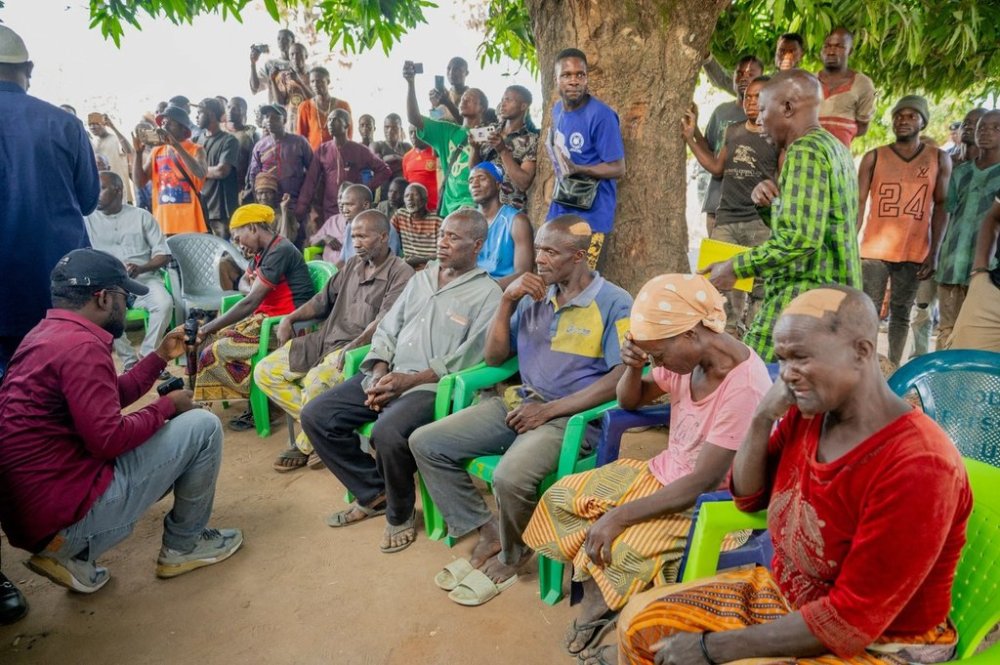
The announcement comes after Boko Haram militants killed dozens of people in two separate attacks on a construction site and military base in the northeastern state earlier this week.
Boko Haram, Nigeria’s homegrown jihadis, took up arms in 2009 to fight Western education and impose their radical version of Islamic law.
The insurgency now includes an offshoot of the Islamic State group known as the Islamic State West Africa Province, or ISWAP. It has spilled into Nigeria’s northern neighbors, including Niger, killing about 35,000 civilians and displacing more than 2 million people, according to the United Nations.
Taiwo Adebayo, a researcher specializing in Boko Haram at the Institute for Security Studies, said the army began an offensive last month, proactively moving into hideouts to engage the insurgents. It marked “a departure from the usual reactive posture that saw the military suffer dozens of raids on their camps last year.”
He said the United States has conducted intelligence-gathering flights over Borno since last November, helping the Nigerian military carry out raids on armed groups.
Nigeria is in the grip of a complex security crisis, with an insurgency by Islamic militants in the northeast alongside a surge in kidnappings for ransom by gunmen across the northwest and north-central regions over the recent months,
In December, the U.S. launched airstrikes in northern Nigeria, targeting Islamic State fighters, after allegations that the West African country failed to rein in attacks on Christians.