

Pentagon watchdog to evaluate US military’s boat strikes in Latin America
Advertisement
Read this article for free:
or
Already have an account? Log in here »
To continue reading, please subscribe:

Digital Subscription
One year of digital access for only $205*
- Enjoy unlimited reading on winnipegfreepress.com
- Read the E-Edition, our digital replica newspaper
- Access News Break, our award-winning app
- Play interactive puzzles
*First annual payment billed as $205.00 + GST for one year. This annual subscription will automatically renew at $233.00 + GST every 52 weeks (10% off the regular annual price of $259.35). Offer available to new and qualified returning subscribers only. Cancel any time.
To continue reading, please subscribe:
Add Free Press access to your Brandon Sun subscription for only an additional
$1 for the first 4 weeks*
- Enjoy unlimited reading on winnipegfreepress.com
- Read the E-Edition, our digital replica newspaper
- Access News Break, our award-winning app
- Play interactive puzzles
*Your next Brandon Sun subscription payment will increase by $1.00 and you will be charged $17.95 plus GST for four weeks. After four weeks, your payment will increase to $24.95 plus GST every four weeks.
Read unlimited articles for free today:
or
Already have an account? Log in here »
WASHINGTON (AP) — The Pentagon watchdog will evaluate whether the U.S. military followed an established targeting framework when carrying out attacks on dozens of alleged drug-smuggling boats that have killed nearly 200 people in Latin American waters since early September.
The evaluation will focus specifically on what’s known as the six-phase Joint Targeting Cycle, according to a May 11 letter to Defense Department officials. The phases include a military commander’s intent, target development, analysis, decision, execution and assessment.
The Pentagon inspector general’s office said in a statement Tuesday that the review was “self-initiated” and that it would not provide a timeline for when it would be completed. It was reported earlier by Bloomberg.
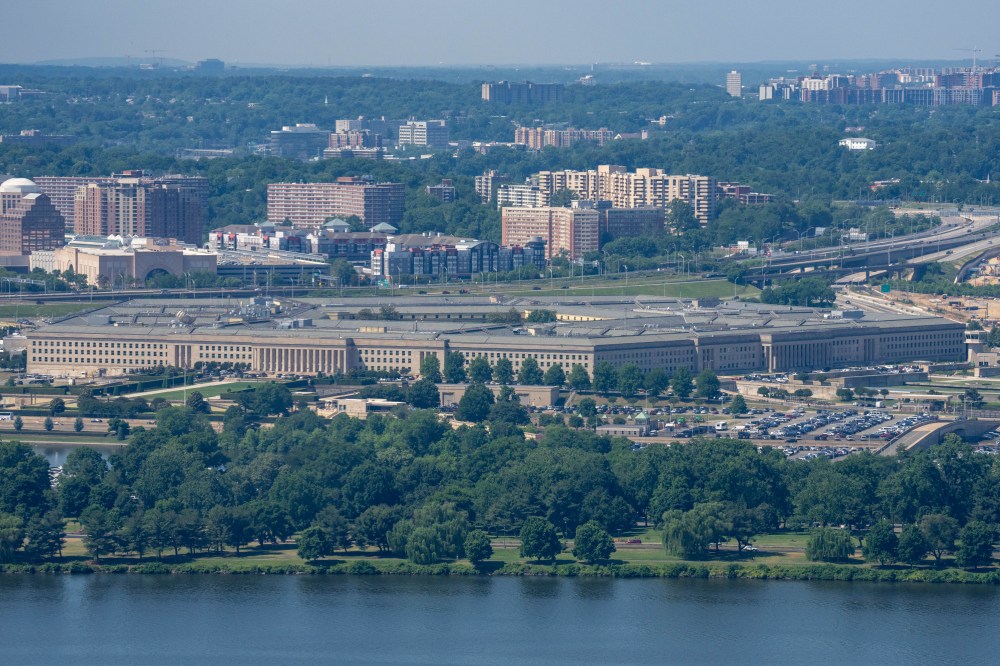
The evaluation will not probe the legality of the strikes, which have drawn intense scrutiny from some Democratic lawmakers and military legal scholars. The Trump administration says the U.S. is at war against the Latin American drug cartels, which it says are responsible for the scourge of fatal drug overdoses plaguing many American communities.
The administration’s campaign of blowing up small boats accused of drug trafficking in the eastern Pacific Ocean and Caribbean Sea has persisted since early September and killed at least 193 people in total. U.S. Southern Command said one person survived the latest attack on May 8, but it is not clear if the Coast Guard was able to find and rescue the survivor, which would raise the death toll.
The military has not provided evidence that any of the vessels were carrying drugs, repeatedly pointing in social media posts to intelligence confirming they were “transiting along known narco-trafficking routes.”
The U.S. military’s first strike in early September drew particular concern from some lawmakers and those who study military law. Two men on the boat initially survived the attack that killed nine others, and they were clinging to the wreckage when the vessel was struck again, killing them.
Rep. Adam Smith, the top Democrat on the House Armed Services Committee, said in December that the survivors were “basically two shirtless people clinging to the bow of a capsized and inoperable boat, drifting in the water — until the missiles come and kill them.”
The White House confirmed the follow-up strike, insisting it was done “in self-defense” to ensure the boat was destroyed and in accordance with the laws of armed conflict.