Ukraine ally Britain eases new sanctions on Russian oil as fuel prices surge over Iran war
Advertisement
Read this article for free:
or
Already have an account? Log in here »
To continue reading, please subscribe:

Digital Subscription
One year of digital access for only $205*
- Enjoy unlimited reading on winnipegfreepress.com
- Read the E-Edition, our digital replica newspaper
- Access News Break, our award-winning app
- Play interactive puzzles
*First annual payment billed as $205.00 + GST for one year. This annual subscription will automatically renew at $233.00 + GST every 52 weeks (10% off the regular annual price of $259.35). Offer available to new and qualified returning subscribers only. Cancel any time.
To continue reading, please subscribe:
Add Free Press access to your Brandon Sun subscription for only an additional
$1 for the first 4 weeks*
- Enjoy unlimited reading on winnipegfreepress.com
- Read the E-Edition, our digital replica newspaper
- Access News Break, our award-winning app
- Play interactive puzzles
*Your next Brandon Sun subscription payment will increase by $1.00 and you will be charged $17.95 plus GST for four weeks. After four weeks, your payment will increase to $24.95 plus GST every four weeks.
Read unlimited articles for free today:
or
Already have an account? Log in here »
LONDON (AP) — British Prime Minister Keir Starmer said Wednesday that Britain’s support for Ukraine remains steadfast, despite the U.K. delaying some new sanctions on Russian oil because of a cost-of-living squeeze triggered by the effective closure of the Strait of Hormuz.
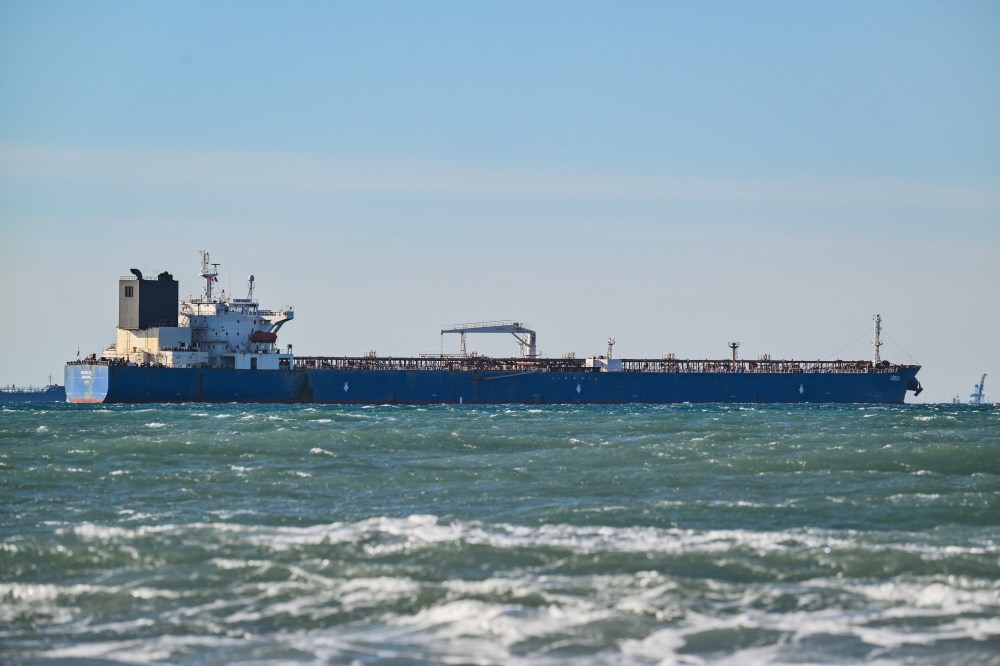
A trade license that came into effect Wednesday permits the import of Russian oil that has been refined into jet fuel and diesel in third countries such as India and Turkey. The U.K. announced in October that it would ban imports of those products.
The U.S.-Israeli war on Iran and Iran’s retaliatory grip on the strait, through which about a fifth of the world’s oil usually passes, has sent fuel prices soaring around the world and sparked concerns about a shortage of jet fuel.
Opposition Conservative Party leader Kemi Badenoch accused the British government of “choosing to buy dirty Russian oil.”
But Starmer said the government is phasing in the sanctions package announced in October and has issued a “targeted short-term” license for the refined products to protect British consumers in a volatile situation.
“So, these are new sanctions being phased in. This is not a question of lifting existing sanctions in any way whatsoever,” he said in the House of Commons.
The licenses have no end date, but the government said they would be reviewed regularly.
Britain has been one of Ukraine’s strongest allies since Russia’s full-scale invasion in 2022, and the government insists its sanctions against Russia remain among the toughest in the world.
Starmer spoke to Ukrainian President Volodymyr Zelenskyy on Wednesday and “outlined how the U.K. was ramping up measures to crack down on Russia’s economy,” Starmer’s office said.
It said Starmer “reaffirmed the U.K.’s steadfast support for Ukraine.”
After the call, Zelenskyy posted on X: “I am grateful for all the support the United Kingdom provides to Ukraine — our efforts to protect life.”
But lawmaker Emily Thornberry, who chairs Parliament’s Foreign Affairs Committee, said Ukrainians would “feel very let down” by the easing of sanctions.
A senior Ukrainian official said the Kyiv government was “clarifying the details” with U.K. officials.
“There is currently very active communication between our diplomats, the office (of President Volodymyr Zelenskyy) and the British side,” the official said. He spoke on condition of anonymity as he was not authorized to comment publicly.
The U.S. has also eased Russian sanctions. Earlier this week, Treasury Secretary Scott Bessent extended a 30-day sanctions waiver allowing the purchase of Russian oil shipments already at sea.
On Tuesday, finance ministers from the U.S., Britain and the other Group of Seven wealthy nations issued a joint statement reaffirming “our unwavering commitment to continue to impose severe costs on Russia in response to its continued aggression against Ukraine.”
John Lough, an associate fellow in the Russia program at the Chatham House think tank in London, said that while the sanctions carve-outs were likely to be temporary, “it has a symbolic effect because it does look as though the sanctions regime is weakening.
“If you’re looking at this from Moscow, you would say, well, this is welcome news, because it shows that when push comes to shove, Western countries are really not that committed to a sanctions regime,” Lough said.
___
Associated Press writers Danica Kirka in London and Susie Blann in Kyiv contributed to this story.