

US to drastically slash the number of embassies in Africa that can process visas
Advertisement
Read this article for free:
or
Already have an account? Log in here »
To continue reading, please subscribe:

Digital Subscription
One year of digital access for only $205*
- Enjoy unlimited reading on winnipegfreepress.com
- Read the E-Edition, our digital replica newspaper
- Access News Break, our award-winning app
- Play interactive puzzles
*First annual payment billed as $205.00 + GST for one year. This annual subscription will automatically renew at $233.00 + GST every 52 weeks (10% off the regular annual price of $259.35). Offer available to new and qualified returning subscribers only. Cancel any time.
To continue reading, please subscribe:
Add Free Press access to your Brandon Sun subscription for only an additional
$1 for the first 4 weeks*
- Enjoy unlimited reading on winnipegfreepress.com
- Read the E-Edition, our digital replica newspaper
- Access News Break, our award-winning app
- Play interactive puzzles
*Your next Brandon Sun subscription payment will increase by $1.00 and you will be charged $17.95 plus GST for four weeks. After four weeks, your payment will increase to $24.95 plus GST every four weeks.
Read unlimited articles for free today:
or
Already have an account? Log in here »
WASHINGTON (AP) — The State Department plans to drastically slash the number of U.S. embassies and consulates in Africa that can process visas for foreigners seeking to come to the United States.
The almost 50 U.S. embassies and consulates that are processing visa applications will be reduced to 20 in the coming weeks, according to three U.S. officials and an internal memo obtained by The Associated Press. There is not yet a set date for the change, but it is expected in June, according to the officials, who were not authorized to comment to the media and spoke on condition of anonymity.
The move is part of the Trump administration’s effort to crack down on issuing both immigrant and non-immigrant visas as part of its broader aim to limit immigration to the U.S. and clamp down on those who travel on temporary visas but then overstay them. The administration also has scaled back personnel at embassies and consulates around the world.
On a conference call last Friday, U.S. diplomats, including consular chiefs, were told the U.S. would be scaling back its visa services across Africa, according to one of the officials who was on the call.
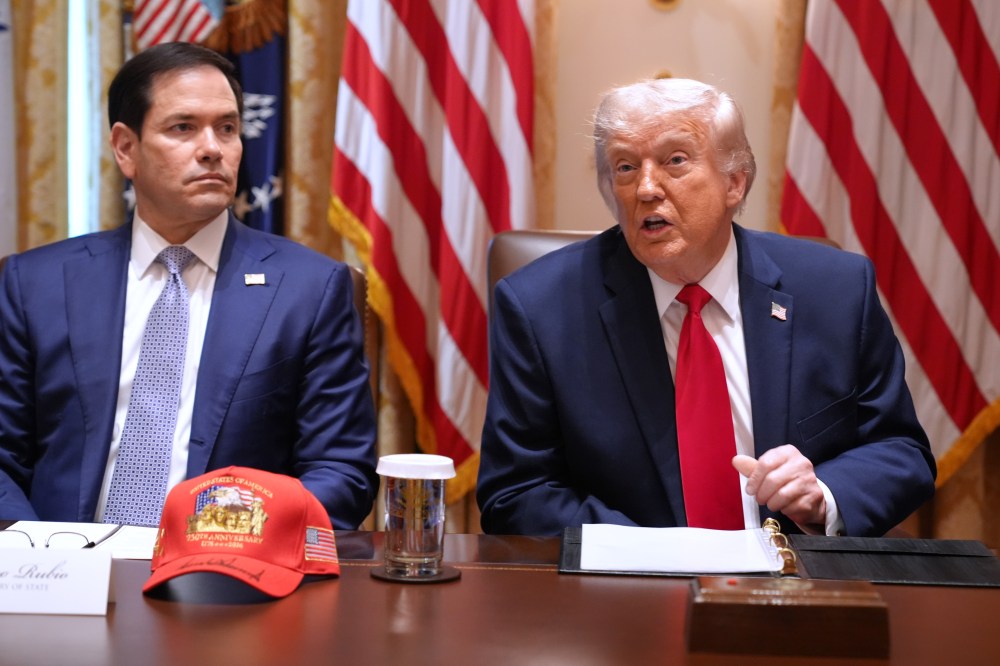
Under a directive approved by Secretary of State Marco Rubio last week, the State Department will reduce consular operations in all but 20 “hubs” in Africa, according to the officials and the memo.
Visa processing in Africa has already been affected by a travel ban on certain countries as well as a requirement for applicants to post up to $15,000 bond in order to apply and more recently by restrictions caused by the Ebola outbreak.
The new rules mean that a citizen of a non-hub country will have to travel to one of the 20 approved sites, which could pose formidable travel challenges and costs.
Consular sections in non-hub countries will stay open but be limited in the services they can offer. They will still be able to assist American citizens with passport renewals and emergency consular requests as well as special national interest cases and diplomatic visa applications.
The State Department did not address the specific issues in the memo but said it “is constantly evaluating its overseas operations in order to deploy taxpayer resources in a way that advances America’s priorities as efficiently and effectively as possible.”
It said this “includes a visa process that maintains rigorous standards of security screening and vetting and aligns resources and operational capacity with America’s national interests.”
According to the memo, the 20 hubs to remain open for all processing are: Abidjan, Ivory Coast; Accra, Ghana; Addis Ababa, Ethiopia; Cape Town, South Africa; Dakar, Senegal; Dar-Es-Salaam, Tanzania; Djibouti, Djibouti; Johannesburg, South Africa; Kampala, Uganda; Kigali, Rwanda; Kinshasa, Congo; Lagos, Nigeria; Lome, Togo; Luanda, Angola; Malabo, Equatorial Guinea; Monrovia, Liberia; Nairobi, Kenya; Port Louis, Mauritius; Praia, Cape Verde; and Yaounde, Cameroon.
___
Mednick reported from Tel Aviv.