

European Union seeks to reopen communication channel with Russia
Advertisement
Read this article for free:
or
Already have an account? Log in here »
To continue reading, please subscribe:

Digital Subscription
One year of digital access for only $205*
- Enjoy unlimited reading on winnipegfreepress.com
- Read the E-Edition, our digital replica newspaper
- Access News Break, our award-winning app
- Play interactive puzzles
*First annual payment billed as $205.00 + GST for one year. This annual subscription will automatically renew at $233.00 + GST every 52 weeks (10% off the regular annual price of $259.35). Offer available to new and qualified returning subscribers only. Cancel any time.
To continue reading, please subscribe:
Add Free Press access to your Brandon Sun subscription for only an additional
$1 for the first 4 weeks*
- Enjoy unlimited reading on winnipegfreepress.com
- Read the E-Edition, our digital replica newspaper
- Access News Break, our award-winning app
- Play interactive puzzles
*Your next Brandon Sun subscription payment will increase by $1.00 and you will be charged $17.95 plus GST for four weeks. After four weeks, your payment will increase to $24.95 plus GST every four weeks.
Read unlimited articles for free today:
or
Already have an account? Log in here »
BRUSSELS (AP) — The European Union has made a tentative bid to open a line of communication with Moscow so the continent is not sidelined in any potential talks to end Russia’s grinding war in Ukraine, officials said Thursday.
The news emerged as Ukraine launched one of its biggest drone attacks since Russia’s all-out invasion of its neighbor more than four years ago, Russian officials said Thursday. A major oil refinery was hit for a second time in a week and commercial flights at Moscow airports were disrupted.
Against the backdrop of conflict, and despite reservations among some European leaders, the EU has been quietly seeking to reopen communications with Moscow even as it doubles down on its support for Kyiv. President Vladimir Putin, meanwhile, has tried to cut out Europe and Kyiv and negotiate Ukraine’s future with Washington.
“In the past few weeks, brief contacts were made at diplomatic level to open communication channels, but nothing was discussed on substance,” an EU official with knowledge of the approach said on condition of anonymity to discuss the sensitive move. A second official, also speaking on condition of anonymity because they were not authorized to speak to the media on the matter, confirmed the Russia outreach is taking place but declined to comment further.
“In any future scenario, the EU has specific interests that will need to be defended, therefore it is important to have established diplomatic channels with Russia. The EU is not a mediator. It supports Ukraine in its efforts to achieve a just and lasting peace,” the first official added.
The Kremlin did not immediately respond to a request for comment.
Putin has repeatedly said Europe cannot play any kind of mediation role in settling the conflict but has not ruled out speaking to the EU.
“We have never refused contacts with representatives of the European Union in any format,” he said earlier this month. “We are not rejecting contacts. If they want to talk, they know how to reach us. They can pick up the phone and call. If they want to come, they are welcome to do so. It is not Russia that is refusing engagement.”
The officials said European Council President Antonio Costa “has been coordinating closely with European leaders on possible engagement with Russia and the issues to be discussed when the right moment comes.”
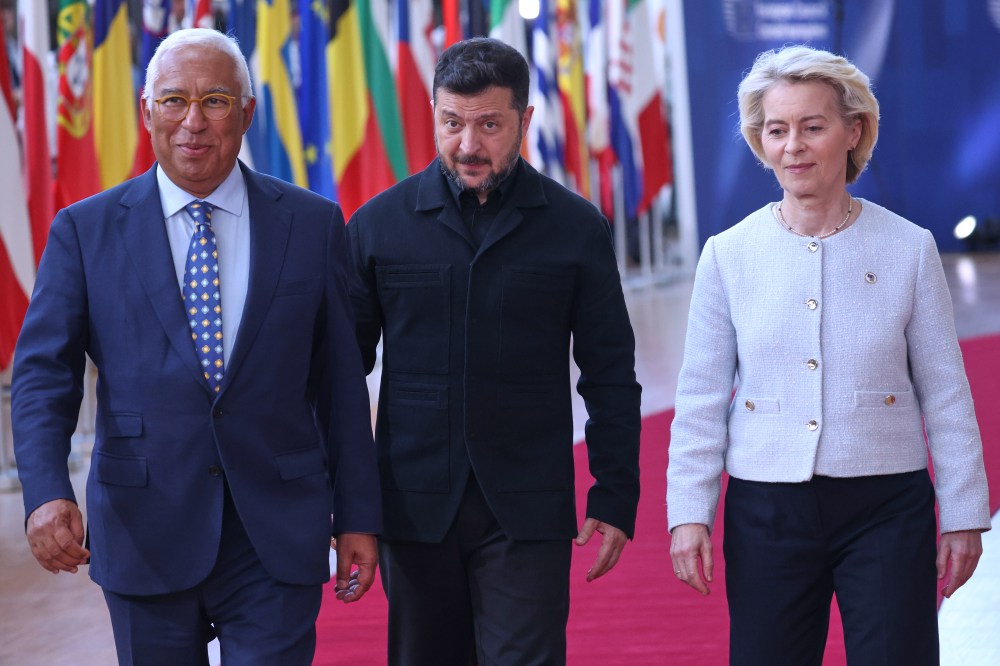
News of the moves came as EU leaders met in Brussels for their summer summit, where Ukraine was high on the agenda. President Volodymyr Zelenskyy was expected to address the 27 leaders, who are seeking closer ties with Kyiv.
Leaders of EU countries in the Baltics expressed skepticism about the initiative.
“There has to be someone on the other side willing for peace,” Latvia’s new Prime Minister Andris Kulbergs said. Otherwise, “there’s no point for contact.”
Luxemburg’s Prime Minister Luc Frieden said that if Europe wants a voice in Ukraine’s future, “at some point in time, yes, we need to sit at the table.”
The EU leaders overwhelmingly urged support for Ukraine as they arrived for the summit. On Monday, Ukraine officially opened negotiations to join the EU, launching a process that will require its government to commit to years of political reforms even as it fights the Russian invasion.
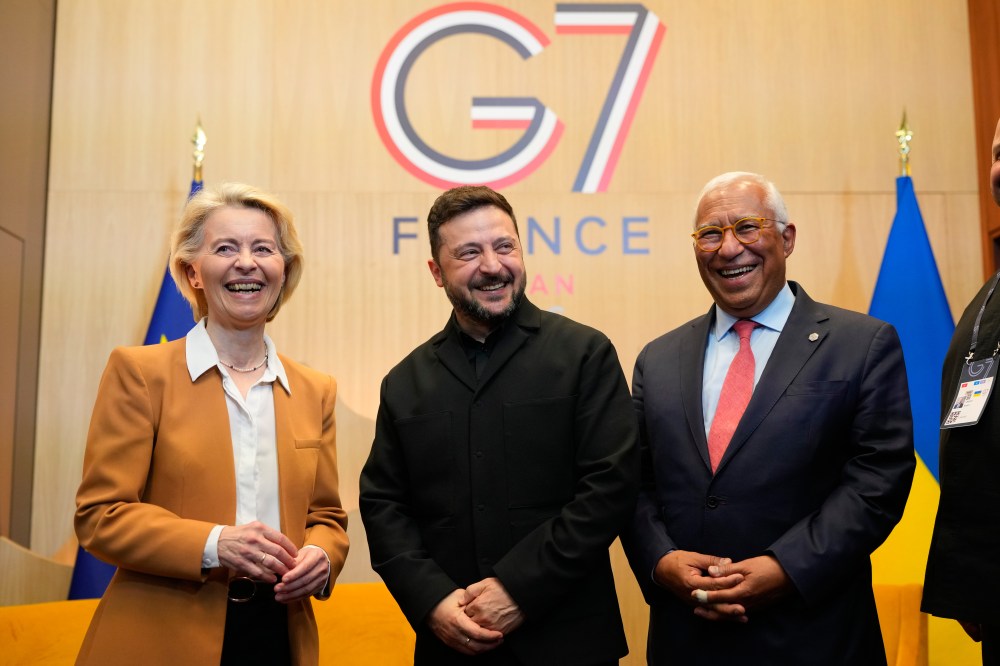
The EU outreach to Russia also closely follows this week’s meeting of the world’s seven leading industrialized nations in the French spa town of Evian-Les-Bains, where Europeans managed to get Trump to join G7 leaders in offering “unwavering support for Ukraine.”
Zelenskyy said his country won key pledges of further support from world leaders attending the G7 summit in France, including the United States.
___
Corder reported from The Hague, Netherlands.