

Kim Gamel, a former veteran AP correspondent in Europe and the Middle East, dies
Advertisement
Read this article for free:
or
Already have an account? Log in here »
To continue reading, please subscribe:

Digital Subscription
One year of digital access for only $205*
- Enjoy unlimited reading on winnipegfreepress.com
- Read the E-Edition, our digital replica newspaper
- Access News Break, our award-winning app
- Play interactive puzzles
*First annual payment billed as $205.00 + GST for one year. This annual subscription will automatically renew at $233.00 + GST every 52 weeks (10% off the regular annual price of $259.35). Offer available to new and qualified returning subscribers only. Cancel any time.
To continue reading, please subscribe:
Add Free Press access to your Brandon Sun subscription for only an additional
$1 for the first 4 weeks*
- Enjoy unlimited reading on winnipegfreepress.com
- Read the E-Edition, our digital replica newspaper
- Access News Break, our award-winning app
- Play interactive puzzles
*Your next Brandon Sun subscription payment will increase by $1.00 and you will be charged $17.95 plus GST for four weeks. After four weeks, your payment will increase to $24.95 plus GST every four weeks.
Read unlimited articles for free today:
or
Already have an account? Log in here »
Kim Gamel, a former veteran Associated Press correspondent who covered conflicts and uprisings around the Middle East, including the height of the Iraq war and the Arab Spring, has died, according to her brother-in-law. She was 57.
Gamel died Wednesday in Idaho after a battle with lymphoma, Lee Ruff said.
Gamel brought the same care and compassion to her work reporting and directing coverage in war zones that she offered to her colleagues. She pursued the story of an Iraqi girl who was blinded in a Baghdad car bombing — bringing attention to her plight and leading to donations and offers of medical care.
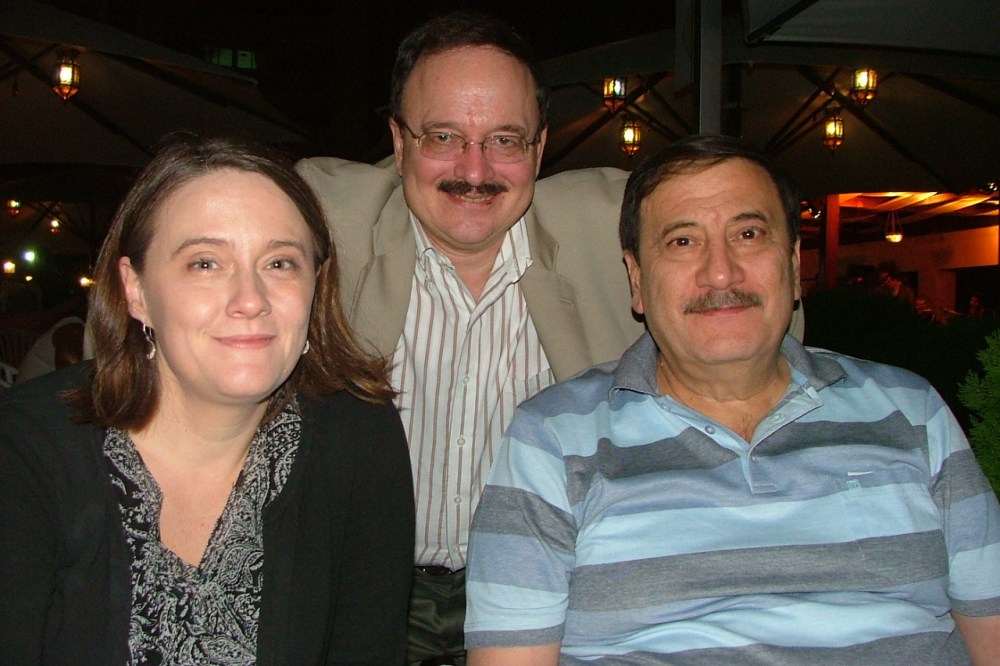
“Kim was an energetic reporter and careful editor who made contacts easily, from military members and diplomats to store clerks and day laborers,” said Robert H. Reid, the AP’s former Middle East regional editor who worked with Gamel at the news agency and later at Stars and Stripes.
“She had a wide circle of friends and enjoyed mentoring less experienced journalists as much as producing her own work,” he said.
Even on the busiest days, Gamel always offered colleagues and guests at the Baghdad bureau cups of coffee — made in the machine she kept on her desk with the fine grounds she brought into the country. If a colleague was sick, Gamel offered some of the medication she also brought with her from the U.S.
“Kim’s career took her all over the world, and made her witness to history,” said Paul Haven, vice president of Global Newsgathering at AP. “But whether it was covering the Arab Spring or the war in Iraq, she sought the human stories that brought those wars to life. Her work made a difference in people’s lives, and she will be deeply missed.”
A native of Idaho, Gamel began her career in print journalism soon after she graduated with a degree in Russian from Bates College in Maine, working for an English-language newspaper in Russia, the Moscow Tribune. She later earned a master’s degree from the Medill School of Journalism at Northwestern University.
She worked for the AP for about 20 years until 2014, when she left for a Knight-Wallace journalism fellowship at the University of Michigan. After the fellowship, Gamel joined Stars and Stripes, where she covered Asian affairs from her base in Seoul, South Korea. Most recently, she worked in Hawaii.
While at the AP, Gamel did a stint in Sweden as the Nordic and Baltic news editor, covering, among other things, the Nobel Prizes. Gamel also spent time in New York as an editor on the news agency’s International Desk. But she was best known for her work from conflict zones, including Afghanistan, Libya, Iraq and Egypt. She was news editor in both Iraq and Egypt.
From her post in Cairo, Gamel helped direct coverage of the Arab Spring uprisings that toppled several governments in the region in 2011 as well as the early years of Syria’s civil war.
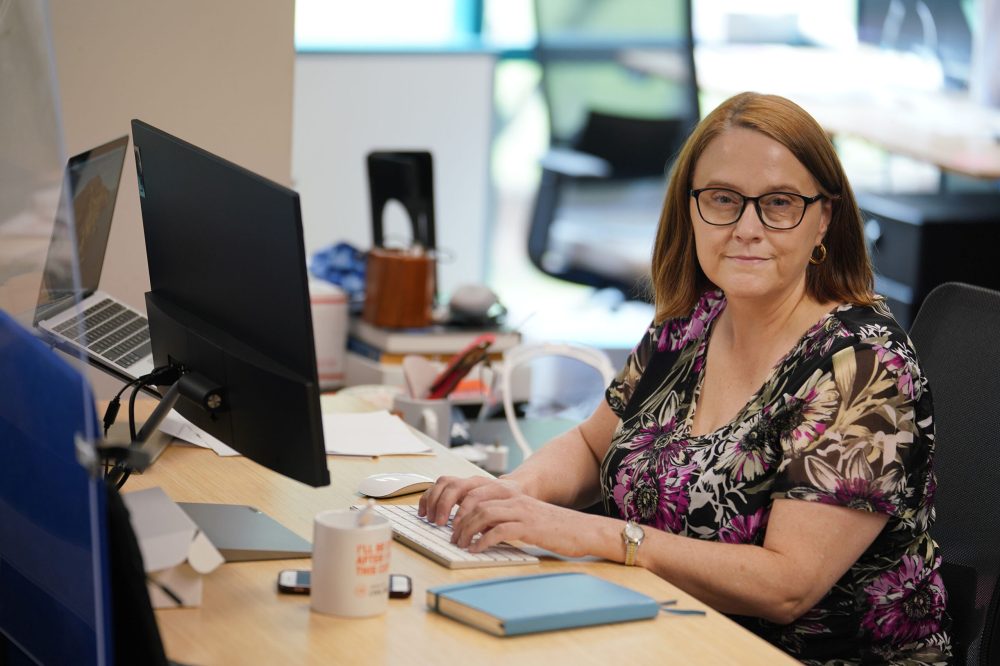
During Gamel’s time in Iraq, she learned about Shams Karim, a young girl who was blinded and disfigured by a 2006 bomb that also killed her mother.
Gamel followed the story, bringing the world’s attention to the girl who came from a poor family. The reports led to donations worth tens of thousands of dollars and Karim was taken abroad for treatment and given prosthetic eyes.
“Shams was luckier than many Iraqi victims of violence because so many people came forward with offers of help,” Gamel wrote in a dispatch in March 2009.
“Whatever good things happen to Shams in the future are due to Kim Gamel and her big heart,” Reid said.
Gamel is survived by her mother, Bobbie Gamel; sister, Seana Ruff; brother-in-law, Lee Ruff; as well as a nephew and a niece.