

Supreme Court clears way for Trump administration to revive restrictive policy for asylum seekers
Advertisement
Read this article for free:
or
Already have an account? Log in here »
To continue reading, please subscribe:

Digital Subscription
One year of digital access for only $205*
- Enjoy unlimited reading on winnipegfreepress.com
- Read the E-Edition, our digital replica newspaper
- Access News Break, our award-winning app
- Play interactive puzzles
*First annual payment billed as $205.00 + GST for one year. This annual subscription will automatically renew at $233.00 + GST every 52 weeks (10% off the regular annual price of $259.35). Offer available to new and qualified returning subscribers only. Cancel any time.
To continue reading, please subscribe:
Add Free Press access to your Brandon Sun subscription for only an additional
$1 for the first 4 weeks*
- Enjoy unlimited reading on winnipegfreepress.com
- Read the E-Edition, our digital replica newspaper
- Access News Break, our award-winning app
- Play interactive puzzles
*Your next Brandon Sun subscription payment will increase by $1.00 and you will be charged $17.95 plus GST for four weeks. After four weeks, your payment will increase to $24.95 plus GST every four weeks.
Read unlimited articles for free today:
or
Already have an account? Log in here »
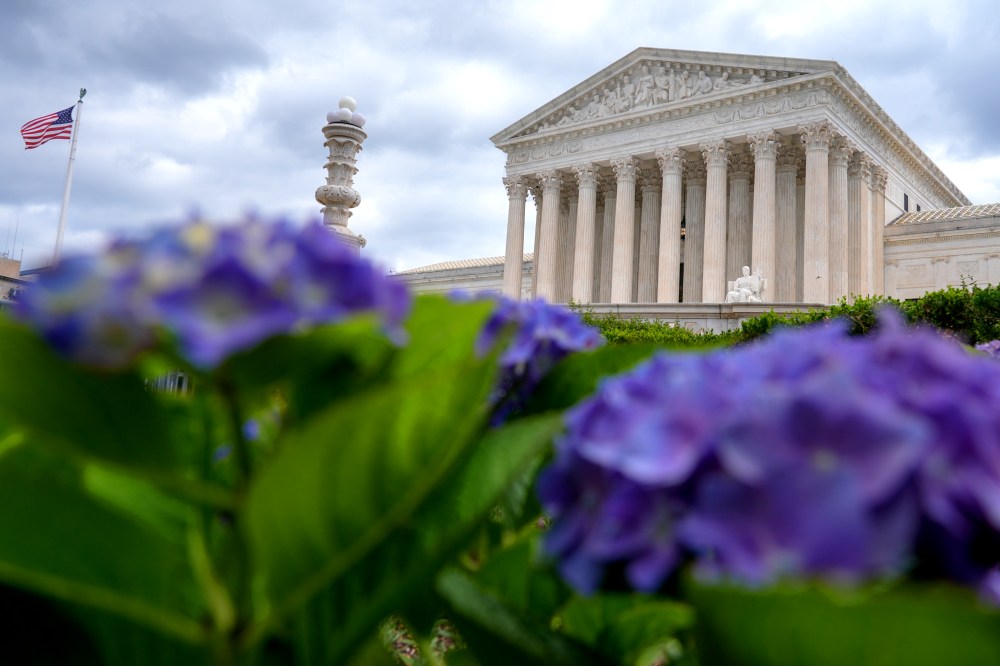
WASHINGTON (AP) — The Supreme Court cleared the way Thursday for the Trump administration to potentially revive an immigration policy once used to turn back migrants seeking asylum at the U.S.-Mexico border.
The justices, in a 6-3 decision, overturned a lower court order blocking the practice that limited the number of people who could apply for asylum each day, first under the Obama administration and then expanded during President Donald Trump’s first term.
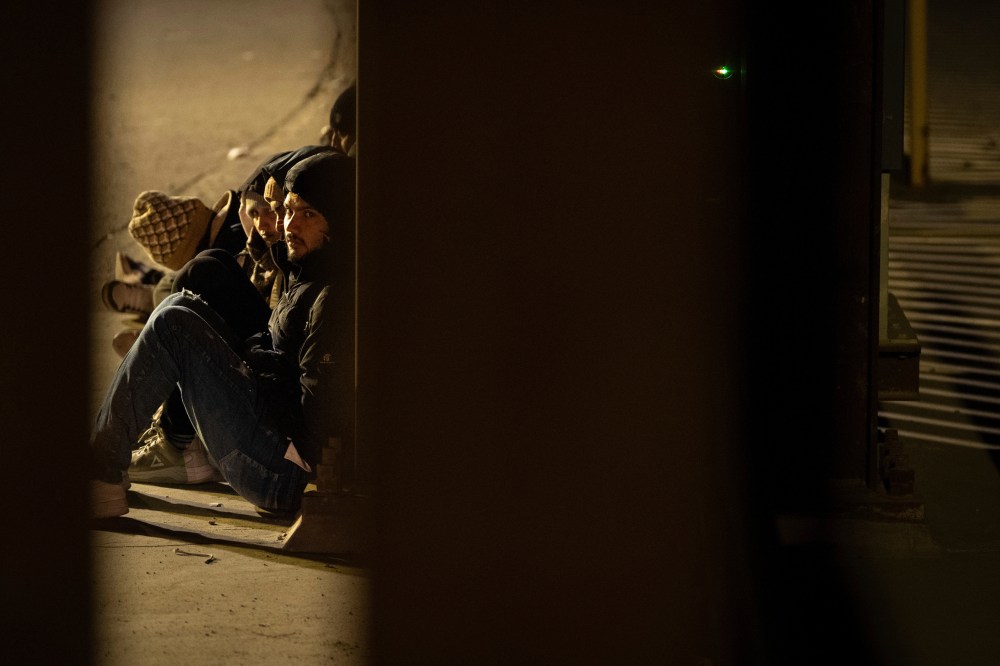
Advocates said the tactic created a humanitarian crisis as thousands of people settled in unsafe makeshift shelters along ports of entry to await their turn for days or months. The Trump administration said it was necessary to deal with an increase in asylum seekers at the border.
The policy is not in place now, and crowds are much thinner as authorities have imposed other restrictions on asylum seekers. The Department of Homeland Security did not say if it plans to revive it, but applauded the ruling. “This decision opens up an important tool to continue securing our southern border,” said James Percival, the agency’s general counsel.
The administration argued that metering is a critical tool used by presidents of both parties and should remain available. Federal attorneys say people turned away at the border could come back later, though lines were thousands of people long when the policy was in place before.
The case is one of several immigration suits the court is considering this term, including Trump’s push to restrict birthright citizenship. The high court also allowed his administration to end deportation for migrants fleeing instability and armed conflict on Thursday.
Under federal law, migrants who arrive in the U.S. must be able to apply for asylum and be screened for fear of persecution in their home countries.
The Justice Department argued that people stopped by authorities haven’t arrived in the country, so immigration agents don’t have to let them apply.
The court’s conservative majority agreed. “A guest does not arrive in a house when he knocks on the front door,” Justice Samuel Alito wrote.
But attorneys for people seeking asylum say the law has long meant anyone arriving at a port of entry should be screened, and blocking arrivals disregards the nation’s ideals.
Justice Sonia Sotomayor dissented from the bench, saying that the majority’s opinion “regrettably and tragically extinguishes the light of the torch of the Statue of Liberty.”
The decision could also give people a “perverse incentive” to enter the country illegally if they can’t count on being able to legally apply for asylum at a port of entry, she said, a concern that Alito’s opinion said was overblown.
In an unusual exchange, Alito voiced a response after she finished speaking. He expressed surprise that she had read her dissent aloud and defended his opinion by noting that the policy had been used under two presidential administrations. “I won’t add anything more to that,” Alito said.
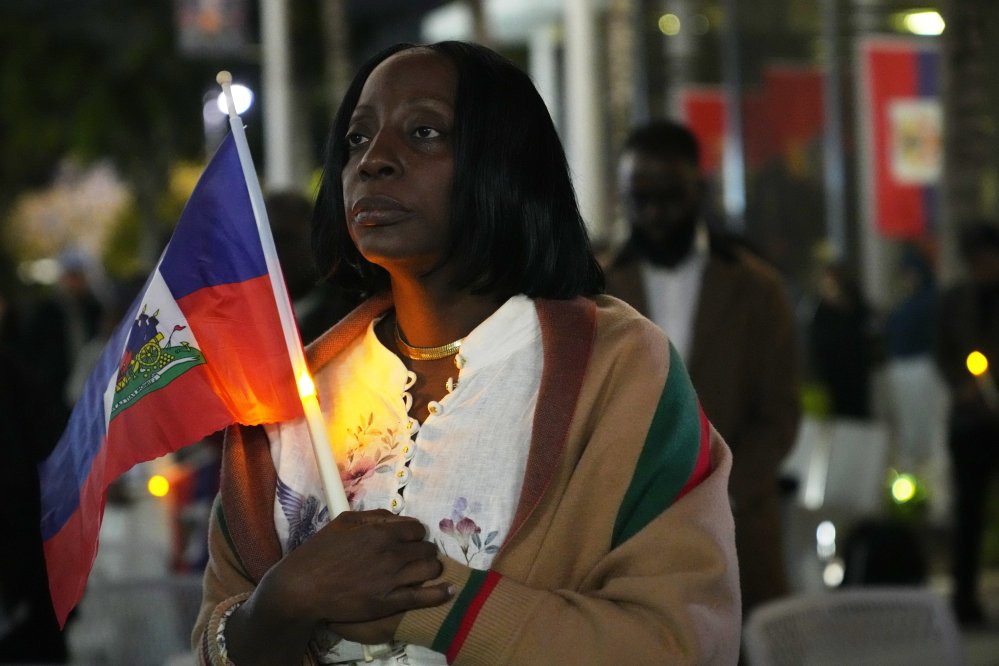
Metering was first used under President Barack Obama when large numbers of Haitians appeared at the main crossing to San Diego from Tijuana, Mexico. It was expanded to all border crossings from Mexico during Trump’s first term in the White House.
Customs officers often cited reaching maximum capacity in holding cells at the port of entry as a reason for delays in processing asylum seekers waiting to be accepted for inspection, but those claims were refuted by official data that was disclosed in a lawsuit in 2020. Many waiting in Mexico were exposed to violence by organized crime, severe heat during the summer and cold conditions during the winter. The queue was managed differently at each port of entry, sometimes by Mexican authorities, volunteers or migrants.
The policy ended in 2020 when the government introduced greater restrictions during the coronavirus pandemic, and President Joe Biden formally rescinded it in 2021.
The same year, a California-based federal judge found that metering violated the asylum seekers’ rights and the law requiring screening. A divided appeals court panel affirmed the ruling, but nearly half of the judges on the full San Francisco-based court voted to rehear it, a strong signal that might have caught the attention of the Supreme Court.
Since Trump returned to the White House, crowds at international bridges have decreased significantly. In May, the government reported an average of 114 immigrants encountered by customs officers along the southwest ports of entry. Those numbers reached a daily high of 1,703 immigrants in May 2024.
Attorneys with the group Democracy Forward first brought the case, and condemned Thursday’s ruling. “We are disappointed in the Court’s decision and call on all Americans to demand that our government protect the families the Court today decided to keep in harm’s way,” said President and CEO Skye Perryman.
They represented the group Al Otro Lado, whose executive director said the decision would mean a “hardening of borders to keep out the most vulnerable” that is “sure to result in many more lives lost.”
U.S. law allows people seeking refuge to apply for asylum once they are on American soil, regardless of whether they came legally. To qualify for asylum, they must show a fear of persecution in their homeland for specific reasons, like race, religion, nationality, membership in a particular social group or political opinion.
People who are eventually granted asylum can’t be deported. They can legally work, bring in immediate family, apply for legal residency and seek citizenship.
___
Associated Press writers Fatima Hussein and Rebecca Santana in Washington, as well as Valerie Gonzalez in McAllen, Texas, contributed to this report.