

Alaska wants to seize a pilot’s plane over a 6-pack of beer. The Supreme Court will hear his case
Advertisement
Read this article for free:
or
Already have an account? Log in here »
To continue reading, please subscribe:

Digital Subscription
One year of digital access for only $205*
- Enjoy unlimited reading on winnipegfreepress.com
- Read the E-Edition, our digital replica newspaper
- Access News Break, our award-winning app
- Play interactive puzzles
*First annual payment billed as $205.00 + GST for one year. This annual subscription will automatically renew at $233.00 + GST every 52 weeks (10% off the regular annual price of $259.35). Offer available to new and qualified returning subscribers only. Cancel any time.
To continue reading, please subscribe:
Add Free Press access to your Brandon Sun subscription for only an additional
$1 for the first 4 weeks*
- Enjoy unlimited reading on winnipegfreepress.com
- Read the E-Edition, our digital replica newspaper
- Access News Break, our award-winning app
- Play interactive puzzles
*Your next Brandon Sun subscription payment will increase by $1.00 and you will be charged $17.95 plus GST for four weeks. After four weeks, your payment will increase to $24.95 plus GST every four weeks.
Read unlimited articles for free today:
or
Already have an account? Log in here »
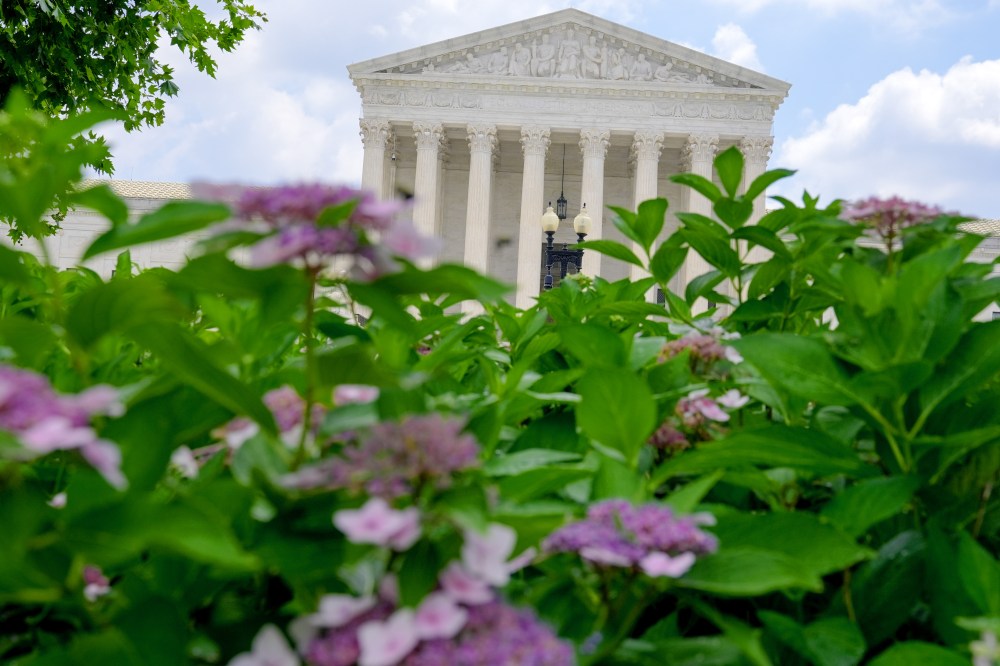
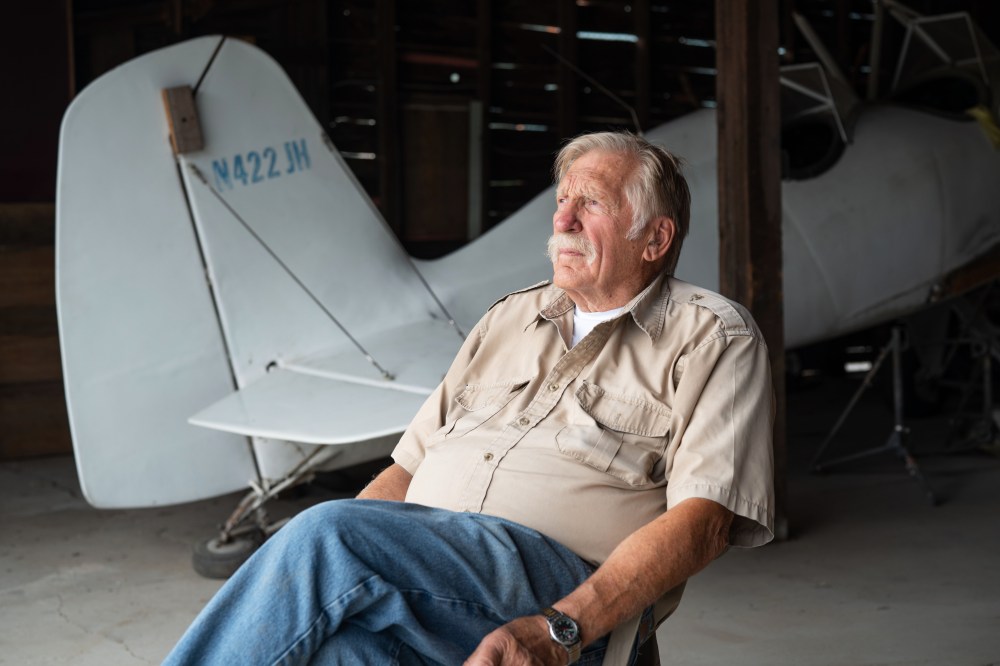
WASHINGTON (AP) — The Supreme Court agreed Monday to review an Alaska bush pilot’s claims that state authorities have tried to illegally seize his $95,000 airplane after a passenger brought a six-pack of beer on a flight bound for a dry village.
The pilot, Kenneth Jouppi, sued to block his plane’s seizure after he was convicted of an alcohol-related misdemeanor charge. The Alaska Supreme Court ruled in the state’s favor that Jouppi’s plane was subject to criminal forfeiture laws.
On Monday, however, the nation’s highest court agreed to hear Jouppi’s case. He argues that taking his 1969 Cessna would violate the Eighth Amendment’s “Excessive Fines Clause.” Arguments are expected in the fall.
“I’m in my 80s now, and I’ve been fighting this for over a decade because I see it as my duty to ensure that the Bill of Rights actually means something in protecting against government overreach,” Jouppi said in a statement released by his attorneys at the Institute for Justice.
In April 2012, Jouppi was preparing to fly a passenger from Fairbanks to a remote village, Beaver, where alcohol was banned. The passenger had packed beer with other groceries in her luggage. State Police troopers searched Jouppi’s plane before it departed and spotted a six-pack of Budweiser in a shopping bag.
Jouppi, his company and the passenger were charged with a misdemeanor offense of knowingly transporting an alcoholic beverage into a dry community. The passenger pleaded guilty. A jury convicted Jouppi and the company after a trial. A judge sentenced him to three days in jail.
Jouppi’s attorneys say Alaska’s high court examined his conduct “purely in abstract terms” and didn’t evaluate whether it was part of a broader pattern of criminal activity. And they say it wasn’t.
“Few excessive fines cases will present the issue so sharply; a decision upholding the forfeiture of an airplane for a six-pack is a self-recommending candidate for review,” lawyers from the Institute for Justice wrote in their appeal.
In response, lawyers from the Alaska Attorney General’s office argued that the state Supreme Court’s “fact-bound decision” should be allowed to stand.
“Courts across the country apply a multi-factor test to determine whether a fine or forfeiture is grossly disproportional to the gravity of the offense,” they wrote. “Jouppi does not claim that the four-part standard applied by the Alaska Supreme Court is wrong, only that the court misapplied settled law by giving too much weight to some factors and not enough weight to others.”
Jouppi’s attorneys argue that the ruling from the state’s highest court conflicts with case law established in other courts, including U.S. Supreme Court precedent.
“The Excessive Fines Clause was built for cases like this,” they said.
Alaska’s attorneys said Jouppi hasn’t shown how punishing him with forfeiture of his plane is “grossly disproportional to the gravity of his offense.”
“Alcohol abuse is a serious problem in rural Alaska, and airplanes are sometimes the only realistic means to commit the crime of alcohol importation,” they wrote.