June 1 trial date set for Venezuela’s Nicolás Maduro in his US drug trafficking case
Advertisement
Read this article for free:
or
Already have an account? Log in here »
To continue reading, please subscribe:

Digital Subscription
One year of digital access for only $205*
- Enjoy unlimited reading on winnipegfreepress.com
- Read the E-Edition, our digital replica newspaper
- Access News Break, our award-winning app
- Play interactive puzzles
*First annual payment billed as $205.00 + GST for one year. This annual subscription will automatically renew at $233.00 + GST every 52 weeks (10% off the regular annual price of $259.35). Offer available to new and qualified returning subscribers only. Cancel any time.
To continue reading, please subscribe:
Add Free Press access to your Brandon Sun subscription for only an additional
$1 for the first 4 weeks*
- Enjoy unlimited reading on winnipegfreepress.com
- Read the E-Edition, our digital replica newspaper
- Access News Break, our award-winning app
- Play interactive puzzles
*Your next Brandon Sun subscription payment will increase by $1.00 and you will be charged $17.95 plus GST for four weeks. After four weeks, your payment will increase to $24.95 plus GST every four weeks.
Read unlimited articles for free today:
or
Already have an account? Log in here »
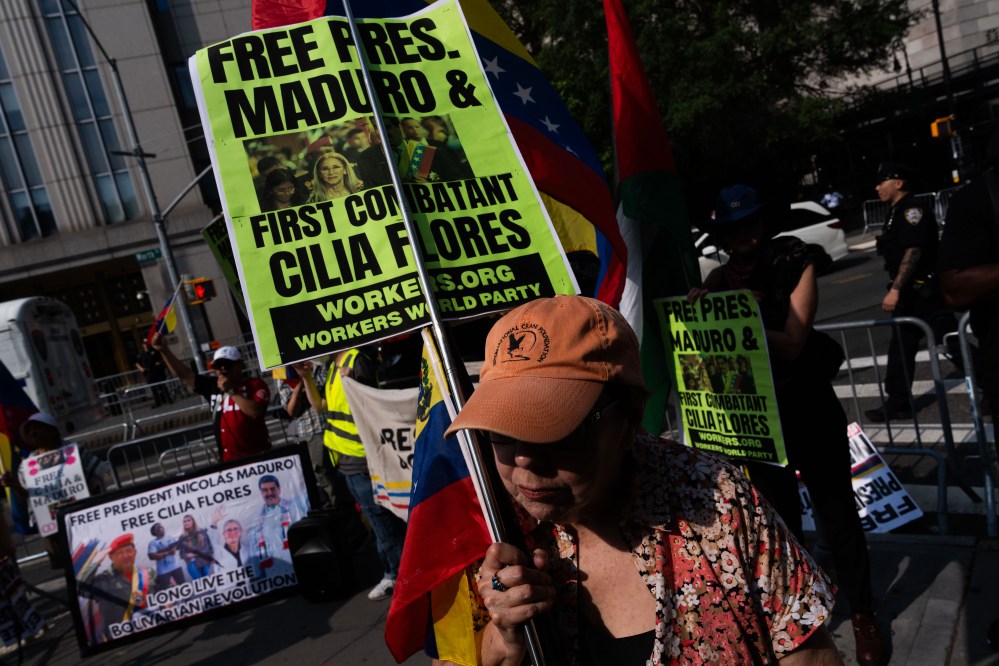
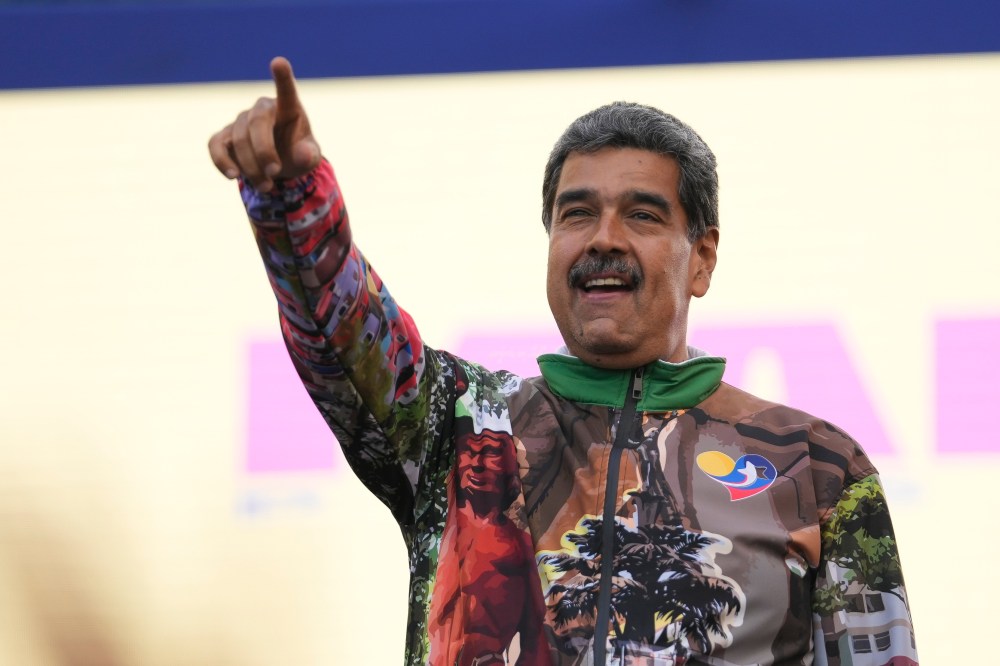
NEW YORK (AP) — Former Venezuelan president Nicolás Maduro and his wife will go on trial on drug trafficking charges next June, a judge said Wednesday, as their lawyers continue to object to the U.S. military action that snatched them from power.
Judge Alvin K. Hellerstein set the June 1 trial date at the request of lawyers on both sides. Under the approved schedule, defense lawyers will begin filing requests in early September to challenge the indictment and the couple will return to the courtroom Nov. 17 for oral arguments on the motions.
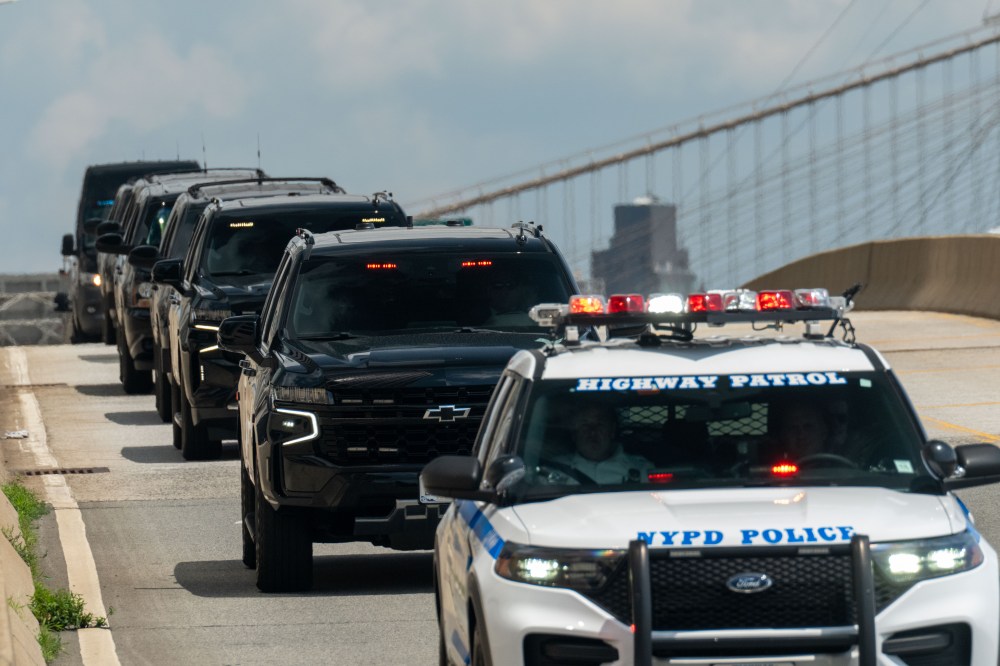
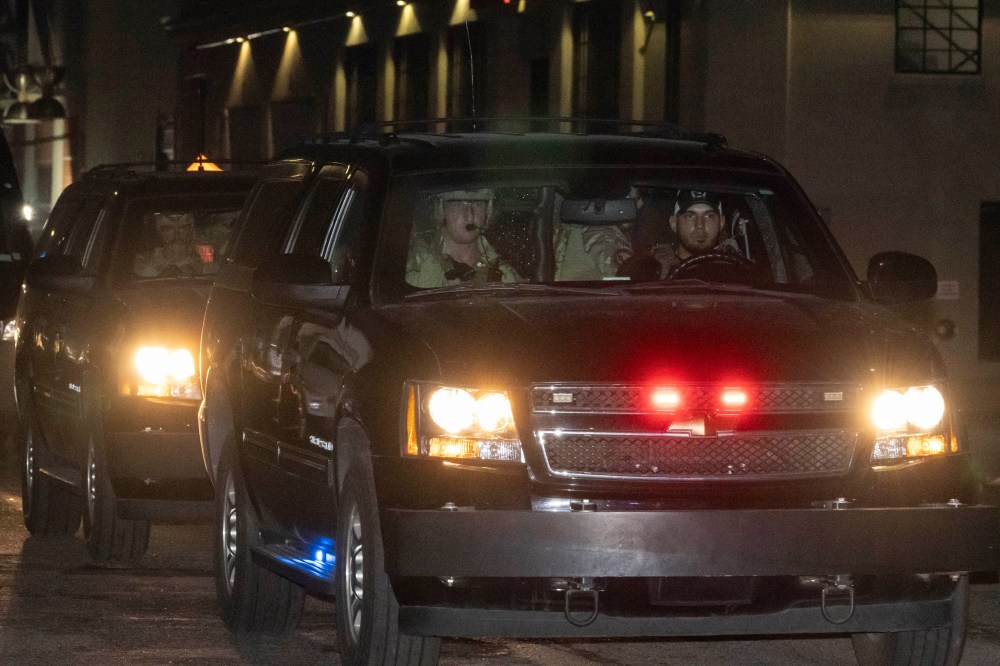
Maduro, 63, and his wife, Cilia Flores, 69, have been held at a Brooklyn jail since U.S. forces seized them from their Caracas home in a middle-of-the-night raid and brought them to New York in early January.
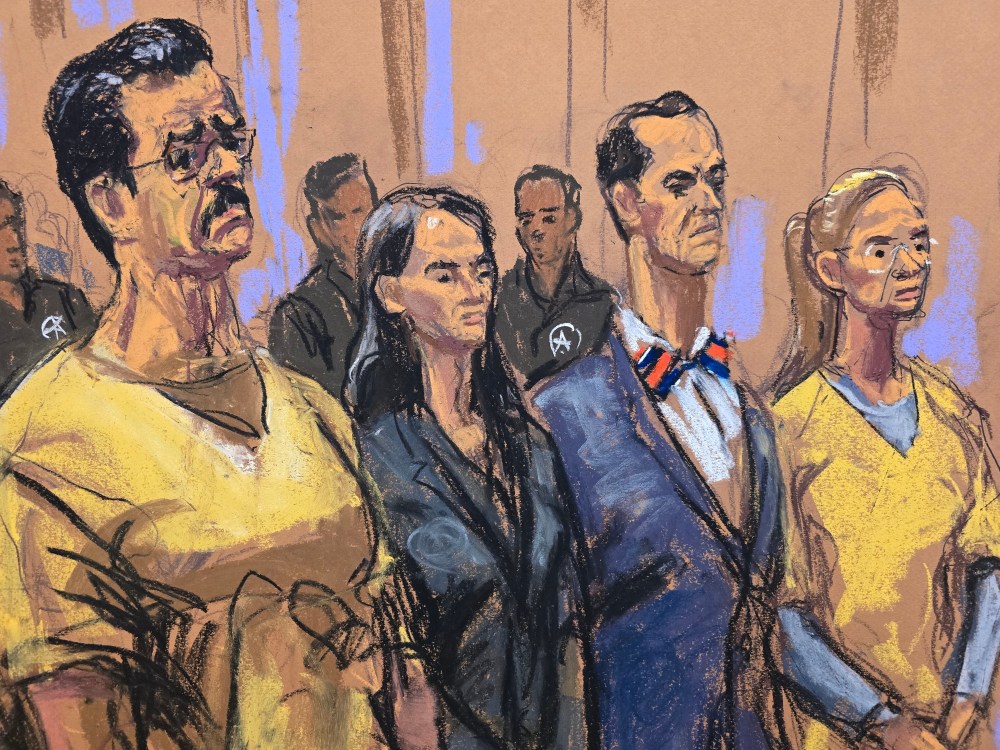
Neither spoke during Wednesday’s 15-minute hearing as each sat separately at a defense table, surrounded by their lawyers. Both have pleaded not guilty. They face potential life prison sentences if a jury agrees that they were part of a conspiracy to send cocaine into the U.S.
As he was led into the courtroom, the bespectacled Maduro greeted the judge’s staff and shook hands with lawyers for him and his wife. Noticeably thinner in a tan jail suit and with his thick mustache, he seemed upbeat, smiling and chatting with his lawyer. He listened to a Spanish interpretation of the proceeding through headphones and clasped his hands in front of him in a prayerlike gesture. He had a black pen wedged in his right fingers and sporadically jotted notes on a white pad.
As deputy U.S. marshals led him out, he waved to someone in the gallery.
President Donald Trump’s administration has defended the raid to capture Maduro as a “surgical law enforcement operation” in a criminal case first brought six years ago. Maduro has called himself a prisoner of war and his capture a kidnapping.
U.S. prosecutors say Maduro carried out a conspiracy to move thousands of tons of cocaine into the U.S. by colluding with Venezuelan law enforcement to help drug kingpins.
“I am not guilty. I am a decent man, the constitutional president of my country,” he said in Spanish at his arraignment in January.
Maduro’s lawyer, Barry Pollack, has said he expects to contest the legality of Maduro’s “military abduction.”
During Wednesday’s hearing, Pollack said he will first challenge the indictment on sovereign immunity grounds because if that is successful, Maduro won’t have to continue litigating the case.
The lawyers have said there are complex legal defenses that the court must address before a trial can begin.
Maduro and Flores have not asked to be released on bail.