

Stanford becomes first school to organize a player-led College Football Players Association chapter
Advertisement
Read this article for free:
or
Already have an account? Log in here »
To continue reading, please subscribe:

Digital Subscription
One year of digital access for only $205*
- Enjoy unlimited reading on winnipegfreepress.com
- Read the E-Edition, our digital replica newspaper
- Access News Break, our award-winning app
- Play interactive puzzles
*First annual payment billed as $205.00 + GST for one year. This annual subscription will automatically renew at $233.00 + GST every 52 weeks (10% off the regular annual price of $259.35). Offer available to new and qualified returning subscribers only. Cancel any time.
To continue reading, please subscribe:
Add Free Press access to your Brandon Sun subscription for only an additional
$1 for the first 4 weeks*
- Enjoy unlimited reading on winnipegfreepress.com
- Read the E-Edition, our digital replica newspaper
- Access News Break, our award-winning app
- Play interactive puzzles
*Your next Brandon Sun subscription payment will increase by $1.00 and you will be charged $17.95 plus GST for four weeks. After four weeks, your payment will increase to $24.95 plus GST every four weeks.
Read unlimited articles for free today:
or
Already have an account? Log in here »
The College Football Players Association, an organization advocating for unionization and collective bargaining, announced Monday that Stanford has become the first team to organize a player-led chapter.
CFBPA executive director Jason Stahl said the goal is for other Atlantic Coast Conference schools join Stanford in forming chapters. That would create momentum for unionization and the ability for players to bargain with conferences over working conditions.
Stanford players elected offensive lineman Fisher Anderson and linebacker Ernest Cooper as their representatives.
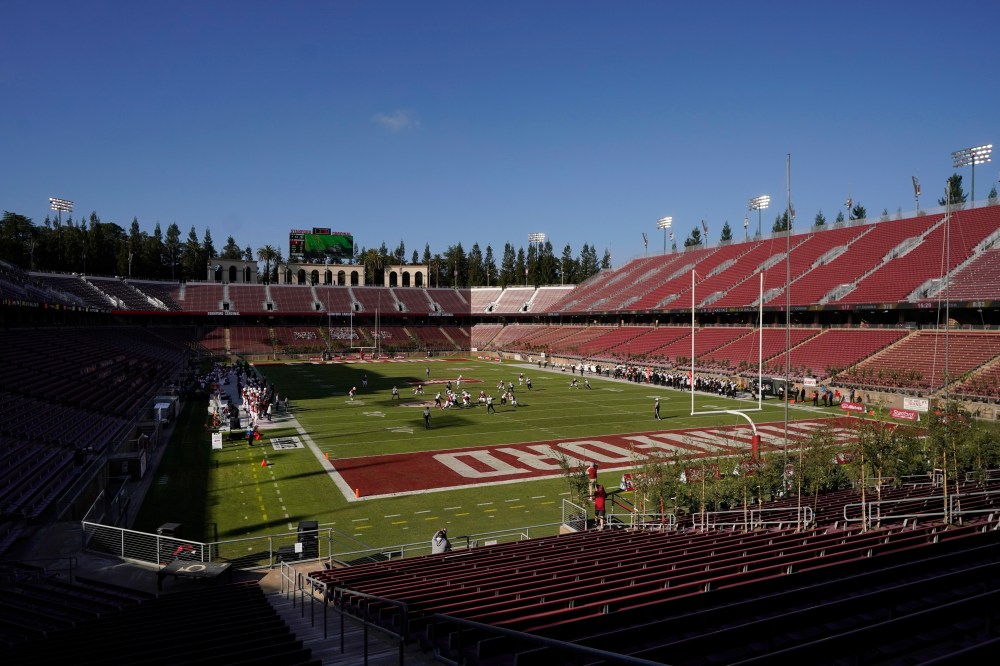
“Stanford has been a pioneer and innovator not just in football but as a school in general,” Cooper said “This first-ever current player-led chapter at Stanford is just another example of this innovation. We want to be leaders in college football and show other schools how they can create a chapter on their campus because we believe this is the future of college football.”
Anderson said the CFBPA will play a role in giving players a voice in all aspects of governing college football.
“Over the past five years, college football has been rocked back and forth by the waves,” he said. “When a CFBPA chapter becomes a reality on every college football team, it would put down an anchor where there isn’t one right now for the sport. The chapters can then become the building blocks for conference-wide collective bargaining agreements, which would bring sustainability, transparency and player protections to a sport in need of all three.”
The NCAA and conferences have been working with federal legislators on a Senate bill that would grant the NCAA an antitrust exemption to be able to enforce rules such as a salary cap and transfer restrictions. Some athletic directors have suggested collective bargaining as an alternative if federal legislation is not passed, but a number of obstacles related to giving college athletes employee status would have to be cleared.
___
AP college football: https://apnews.com/hub/college-football