

House lawmakers return to Washington with a stopgap funding bill atop the list of priorities
Advertisement
Read this article for free:
or
Already have an account? Log in here »
To continue reading, please subscribe:

Digital Subscription
One year of digital access for only $205*
- Enjoy unlimited reading on winnipegfreepress.com
- Read the E-Edition, our digital replica newspaper
- Access News Break, our award-winning app
- Play interactive puzzles
*First annual payment billed as $205.00 + GST for one year. This annual subscription will automatically renew at $233.00 + GST every 52 weeks (10% off the regular annual price of $259.35). Offer available to new and qualified returning subscribers only. Cancel any time.
To continue reading, please subscribe:
Add Free Press access to your Brandon Sun subscription for only an additional
$1 for the first 4 weeks*
- Enjoy unlimited reading on winnipegfreepress.com
- Read the E-Edition, our digital replica newspaper
- Access News Break, our award-winning app
- Play interactive puzzles
*Your next Brandon Sun subscription payment will increase by $1.00 and you will be charged $17.95 plus GST for four weeks. After four weeks, your payment will increase to $24.95 plus GST every four weeks.
Read unlimited articles for free today:
or
Already have an account? Log in here »
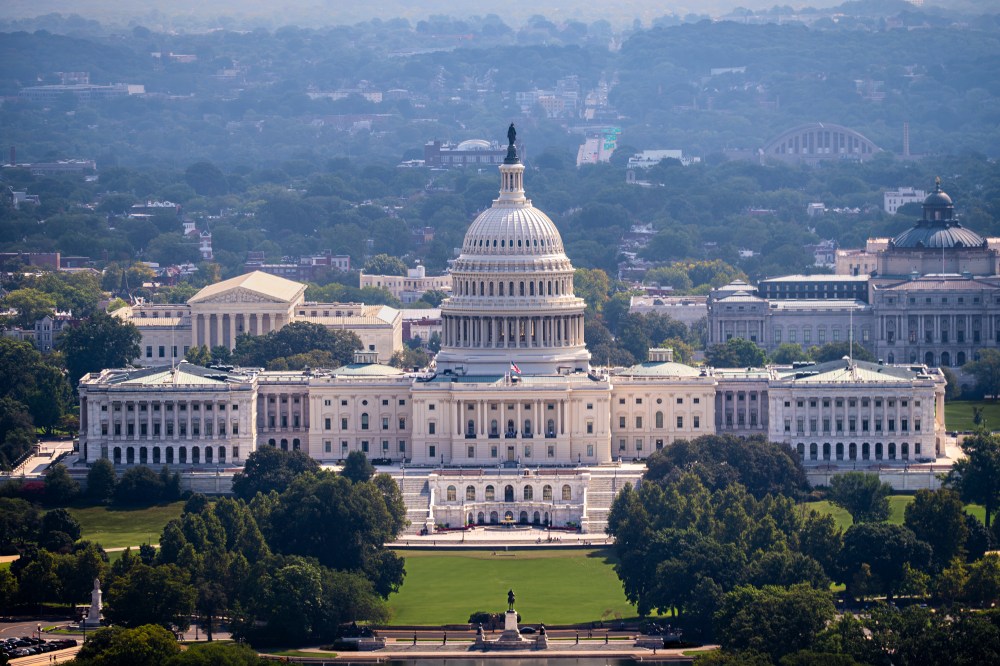
WASHINGTON (AP) — House lawmakers returned to Washington on Monday with a short to-do list after five weeks back in their home districts. The first order of business is most likely a vote on a stopgap spending bill designed to keep the federal government fully funded through early December, removing the possibility of a shutdown before the midterm elections.
With election season getting underway, votes are also expected on measures designed to amplify the GOP’s messaging strategy going into November, most notably a resolution condemning socialism. Republicans are trying to tie the Democratic Party in general to the democratic socialist candidates who have succeeded this year in running for office.
“The first thing is we’ve got to make sure this government gets funded and we don’t have another Democratic shutdown,” Speaker Mike Johnson told reporters as he prepared to open the chamber for business. The funding vote will most likely take place Tuesday.
One significant item that did not make its way onto the House schedule this week is a Senate-passed bill that imposes sanctions on key segments of the Russian economy and allows President Donald Trump to impose steep tariffs on goods imported from countries that buy the vast majority of Russian oil and gas. The effort led by the late Sen. Lindsey Graham aims to deprive Russian President Vladimir Putin of revenue used to finance the war against Ukraine.
The bill passed 86-11 in the Senate. House passage would send the bill to Trump’s desk for his signature. However, some key House Democrats oppose the bill. Democratic leader Hakeem Jeffries said the legislation risks providing Trump and his administration with new sanction and tariff authorities that “we believe they will abuse.”
“I have serious concerns with the legislation,” he told reporters.
The return to Washington also brings a renewed focus on improper behavior by lawmakers as the House will have its first chance to act on a recommendation from the House Ethics Committee to censure Rep. Chuck Edwards, R-N.C., for engaging in persistent unprofessional and inappropriate conduct toward two young female aides in his congressional office.
Edwards implores colleagues to reject censure vote
Edwards has disputed the committee’s conclusion that he failed to adhere to the spirit of the rules prohibiting sexual harassment and unwanted advances toward House staffers. He points to the committee’s conclusion that found no evidence he “engaged in sexual activity or explicitly propositioned any individual under his employ.”
Edwards said he was not asking lawmakers to approve of every gift, compliment or social interaction, but to distinguish between conduct that someone might find unconventional and conduct that actually establishes sexual harassment.
“Individual acts that were not themselves prohibited were gathered together, assigned the most damaging possible interpretation, and then used collectively to support a conclusion far more serious than the underlying evidence,” Edwards wrote in a letter to colleagues first reported by NOTUS.
The committee said Edwards provided the two staffers with lavish and recurrent gifts, made comments regarding their dress and appearance, invited them to intimate dinners and vacations, sent notes regarding his effusive affection and invited them to other activities as a way to spend time together.
A vote to censure registers the House’s deep disapproval of a lawmaker’s conduct that does not meet the threshold for expulsion. Edwards dropped his reelection plans after the committee’s report came out.
Lawmakers are working to avoid another shutdown
The short-term funding bill underwent some significant changes in the Senate, which made it more palatable for Democrats. It delays a proposed rule from the Office of Management and Budget that would give political appointees more power over the distribution of federal grants. It also includes language to ensure the administration can’t transfer funds to the Border Patrol.
But a provision that delays for one month a federal ban on intoxicating hemp THC products has prompted criticism from many GOP lawmakers. As a result, GOP leaders will likely place the bill on a fast-track process that avoids a separate procedural vote, bypassing any Republican efforts to block or stall the legislation. Suspension bills require a two-thirds vote to pass, meaning a significant number from both parties need to support the measure for it to pass and advance to Trump’s desk.
Lawmakers are anxious to avoid the possibility of a shutdown as voters weigh their options going into November. The funding bill passed by a 90-6 vote in the Senate, showing that lawmakers from both political parties want to avoid a repeat of the two historic shutdowns that occurred this past year.