

Morocco votes for a new parliament after Gen Z protests and migration surge to Ceuta
Advertisement
Read this article for free:
or
Already have an account? Log in here »
To continue reading, please subscribe:

Digital Subscription
One year of digital access for only $205*
- Enjoy unlimited reading on winnipegfreepress.com
- Read the E-Edition, our digital replica newspaper
- Access News Break, our award-winning app
- Play interactive puzzles
*First annual payment billed as $205.00 + GST for one year. This annual subscription will automatically renew at $233.00 + GST every 52 weeks (10% off the regular annual price of $259.35). Offer available to new and qualified returning subscribers only. Cancel any time.
To continue reading, please subscribe:
Add Free Press access to your Brandon Sun subscription for only an additional
$1 for the first 4 weeks*
- Enjoy unlimited reading on winnipegfreepress.com
- Read the E-Edition, our digital replica newspaper
- Access News Break, our award-winning app
- Play interactive puzzles
*Your next Brandon Sun subscription payment will increase by $1.00 and you will be charged $17.95 plus GST for four weeks. After four weeks, your payment will increase to $24.95 plus GST every four weeks.
Read unlimited articles for free today:
or
Already have an account? Log in here »
CASABLANCA, Morocco (AP) — Moroccan voters were choosing a new parliament Wednesday in an election shaped by mounting frustration among young people, high unemployment despite a thriving economy, and demands for better schools, hospitals and housing.
Voting centers across the North African kingdom opened at 8 a.m. and were set to close at 7 p.m. local time, allowing nearly 16 million registered voters to cast ballots for the 395-seat House of Representatives.
The election is the first since deadly youth-led protests nearly a year ago and a mass attempt by migrants to cross Morocco’s northern border into the Spanish territory of Ceuta that left dozens dead.
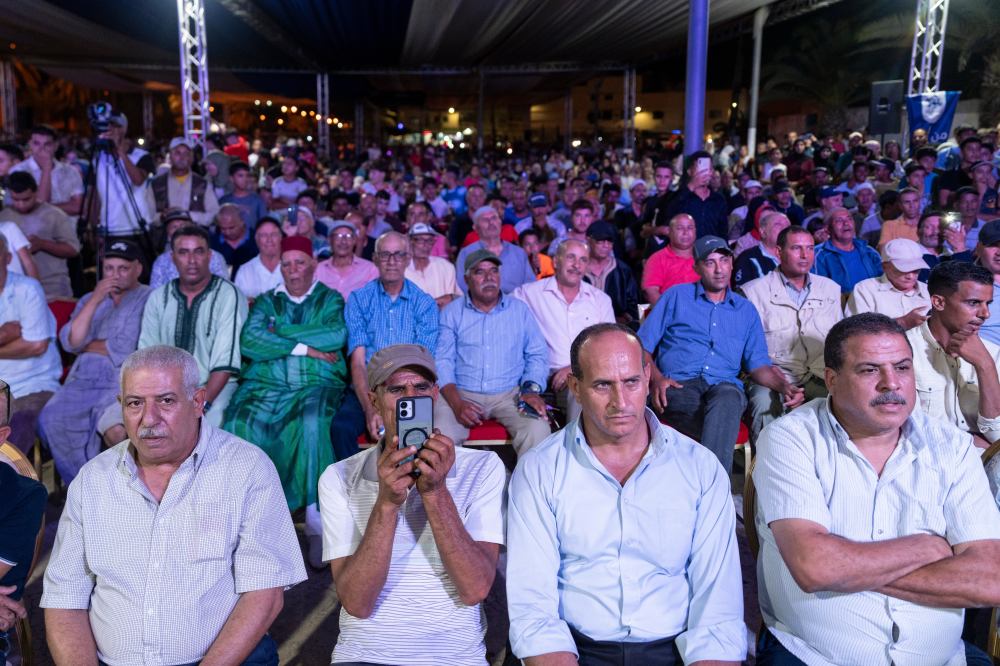
The vote will determine the next prime minister and the makeup of the government, which will serve alongside a powerful monarchy that retains broad authority over strategic affairs. Results are expected Thursday.
The next government will oversee billions of dollars in investment as Morocco prepares to co-host the 2030 FIFA World Cup, prompting some to describe it as the “World Cup government.” The new political leadership will also face pressure to address everyday concerns, including jobs, wages and the cost of living.
For many young Moroccans, the election comes as doubts grow that political participation can improve their daily lives. Some have turned to street protests, while others have considered leaving the country or staying away from the ballot box.
Othmane Mouden, a Casablanca businessman in his late 30s, believes elections are the only way Moroccans can make their voices heard.
“Protesting like the Gen Z youth will not bring any change,” he said on his way to the polling station. “You can only claim your rights through the polls.”
Voters chose among 7,288 candidates from 27 political parties. Since no single party is expected to obtain an absolute majority, the winner will need to negotiate with others to form a governing coalition.
The Moroccan Constitution requires the king to appoint the head of government from the party that wins the most seats in legislative elections.
One possibility for prime minister is Faouzi Lakjaa, president of Morocco’s soccer federation, who recently joined the PAM party and has been buoyed by Morocco’s recent soccer achievements.
Another is Fatima-Zahra Mansouri, 50, mayor of Marrakech and minister of urban planning, who would be Morocco’s first female prime minister.
Some groups, including the far-left party The Democratic Path, called to boycott the election, saying that it “lacks the minimum conditions of democracy.” Banned but tolerated Islamist association Al-Adl Wal Ihsane issued similar claims.
Turnout at midday was just over 11%, slightly below the 12% at the same time during the last legislative elections in 2021.
The number of registered voters has declined by 9.7% since the 2021 election, even as Morocco’s population has grown, reflecting disenchantment with politics notably among young people.
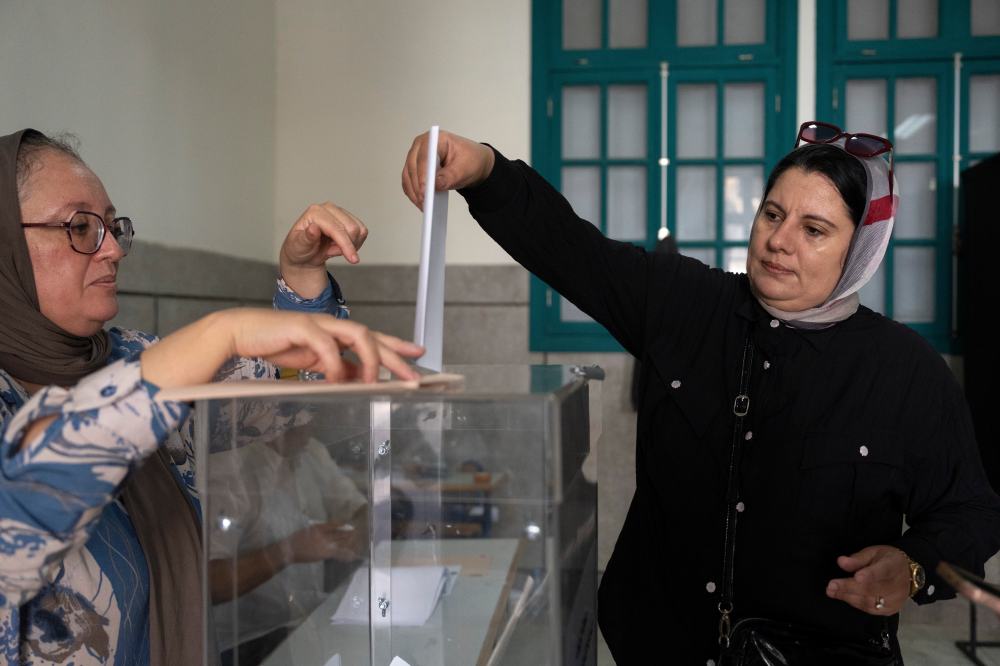
As ballot stations opened in Casablanca and Rabat, voters of various ages formed small but continuous lines to cast their ballots.
Jamal Aamar, a 63-year-old retired banker, came to vote for the Federation of the Democratic Left, a left-wing coalition. Aamar said participating in the election allows his voice to be heard.
“If you boycott, you will leave others an empty seat,” he said.
The constitution recognizes the right to vote for Moroccans living abroad, but there is no voting by mail or ballot boxes at Moroccan consulates. Instead, they must travel to Morocco to vote or authorize a registered family member or acquaintance to vote on their behalf.
Moroccans in Madrid had mixed views on the elections, with some shrugging them off as having little impact.
Caterer Bader Eabram, 24, said Morocco’s strong performance in recent World Cups and other soccer championships is driving some voters’ choices, and providing hope.
“We’re all really eager to host the World Cup. It’s a great country,” he said. ‘’We can do anything.”
——
Iain Sullivan in Madrid contributed to this report.