

US revokes visas from Latin American officials, including Bolivia’s top prosecutor
Advertisement
Read this article for free:
or
Already have an account? Log in here »
To continue reading, please subscribe:

Digital Subscription
One year of digital access for only $205*
- Enjoy unlimited reading on winnipegfreepress.com
- Read the E-Edition, our digital replica newspaper
- Access News Break, our award-winning app
- Play interactive puzzles
*First annual payment billed as $205.00 + GST for one year. This annual subscription will automatically renew at $233.00 + GST every 52 weeks (10% off the regular annual price of $259.35). Offer available to new and qualified returning subscribers only. Cancel any time.
To continue reading, please subscribe:
Add Free Press access to your Brandon Sun subscription for only an additional
$1 for the first 4 weeks*
- Enjoy unlimited reading on winnipegfreepress.com
- Read the E-Edition, our digital replica newspaper
- Access News Break, our award-winning app
- Play interactive puzzles
*Your next Brandon Sun subscription payment will increase by $1.00 and you will be charged $17.95 plus GST for four weeks. After four weeks, your payment will increase to $24.95 plus GST every four weeks.
Read unlimited articles for free today:
or
Already have an account? Log in here »
WASHINGTON (AP) — The Trump administration is revoking the visas of 27 Latin American officials, former officials and their families, including Bolivia’s attorney general, over accusations of corruption.
The officials and their families come from Bolivia, Colombia, Ecuador and Peru — all nations with right-leaning leaders friendly with President Donald Trump. Secretary of State Marco Rubio visited Colombia, Ecuador and Peru this month, pledging U.S. support for their efforts to combat drug and human trafficking.
Those leaders have complained that many of those targeted by the visa revocations were hindering their efforts to fight crime.
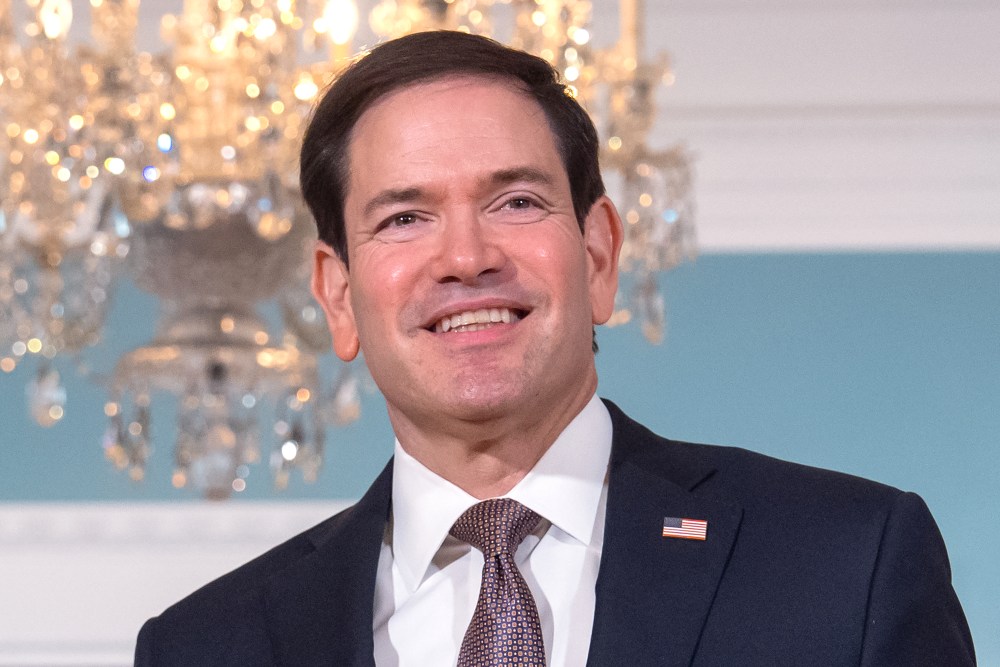
The State Department announced the revocations Monday, saying they were being done “to fulfill the commitments to defend democratic governance across our hemisphere against corruption and narco-trafficking.”
“Undermining a democratically-elected government is a threat to security and rule of law in the Americas and will not be tolerated,” it said in a statement.
The Trump administration is billing the revocations as part of its broader efforts to clamp down on corruption, particularly related to the narcotics trade and illegal migration, by members of the U.S.-led “Shield of the Americas” bloc in the Western Hemipshere that Trump created this year.
The State Department has been denying permission to travel to the United States as a way to crack down on immigration or as a pressure tool against some governments, ranging from bans on South African officials accused of discrimination against white people to refusing to issue visas to the Palestinian delegation to attend an annual meeting of world leaders at the United Nations.
The 27 targeted include Bolivian Attorney General Roger Mariaca and more than 20 other Bolivian prosecutors and judges, 12 of whom were named as current visa holders and nine who will be denied visas should they apply. Two Colombians, a business mogul and a lawmaker, along with two Ecuadorians and one Peruvian judge are also affected.
Mariaca is accused of abusing his public position by soliciting and accepting bribes to facilitate narcotrafficking and is also accused of helping violent criminals evade justice, according to the documents.
“His actions endanger President Trump’s efforts to combat narcoterrorism while undermining the very democratic institutions Bolivia, as a Shield participant, is working to strengthen,” the statement said.
Mariaca condemned the Trump administration’s visa restrictions against him, portraying them as political pressure on his office. He vowed to pursue investigations, including a sensitive case involving Fernando Cerimedo, an Argentine political strategist with ties to Trump’s circle who advised President Rodrigo Paz’s campaign.
“The work we have been doing has not pleased certain political sectors, both inside and outside our country,” Mariaca said at a news conference in the Bolivian city of Sucre. “No political pressure, national or international, can stand in the way of establishing the facts, which must be investigated.”
Mariaca, who was elected to a six-year term by lawmakers in 2024 under Bolivia’s previous left-wing government, has faced criticism over his office’s handling of drug-trafficking cases.
He led prosecutors in the eastern region of Santa Cruz when alleged Uruguayan drug kingpin Sebastián Marset, now in U.S. custody, escaped a police operation in 2023. He has since clashed with Paz, who has aligned Bolivia with Washington after nearly two decades of socialist rule.
___
Associated Press writer Isabel DeBre in Buenos Aires, Argentina, contributed to this report.