

Czech Prime Minister Andrej Babiš’s government survives no-confidence vote
Advertisement
Read this article for free:
or
Already have an account? Log in here »
To continue reading, please subscribe:

Digital Subscription
One year of digital access for only $205*
- Enjoy unlimited reading on winnipegfreepress.com
- Read the E-Edition, our digital replica newspaper
- Access News Break, our award-winning app
- Play interactive puzzles
*First annual payment billed as $205.00 + GST for one year. This annual subscription will automatically renew at $233.00 + GST every 52 weeks (10% off the regular annual price of $259.35). Offer available to new and qualified returning subscribers only. Cancel any time.
To continue reading, please subscribe:
Add Free Press access to your Brandon Sun subscription for only an additional
$1 for the first 4 weeks*
- Enjoy unlimited reading on winnipegfreepress.com
- Read the E-Edition, our digital replica newspaper
- Access News Break, our award-winning app
- Play interactive puzzles
*Your next Brandon Sun subscription payment will increase by $1.00 and you will be charged $17.95 plus GST for four weeks. After four weeks, your payment will increase to $24.95 plus GST every four weeks.
Read unlimited articles for free today:
or
Already have an account? Log in here »
PRAGUE (AP) — The Czech government survived a parliamentary no-confidence vote on Thursday after the opposition challeneged its widening budget deficit and raised conflict of interest concerns over populist billionaire Prime Minister Andrej Babiš.
Only 83 opposition lawmakers in Parliament’s 200-seat lower house voted to dismiss the three-party coalition government. At least 101 votes were needed to bring it down following a three-day debate.
The opposition parties that called the vote condemned the government’s draft 2027 budget, which projects a deficit of 386 billion koruna ($18 billion), the second-largest in Czech history. This year’s deficit is expected to reach 310 billion koruna.
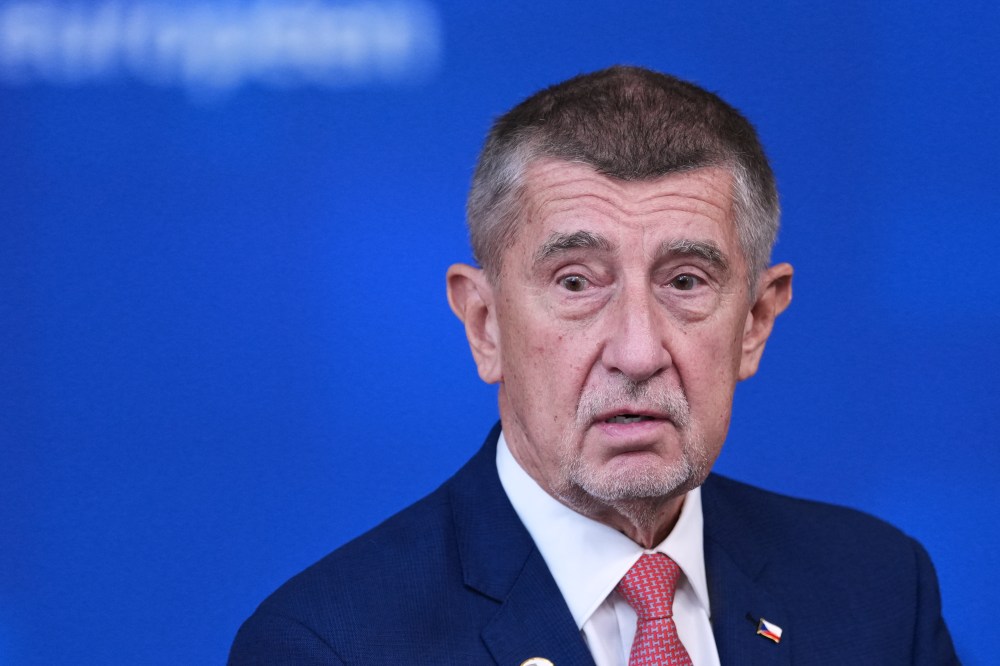
Many economists and opposition lawmakers have criticized the proposed deficit at a time when the Czech central bank expects the economy to grow by 2.7% next year.
The government says the spending is necessary to boost investment and fund priorities, such as health care, pensions and public-sector salaries.
Babiš, one of the country’s richest people, has faced criticism that he has not done enough to resolve potential conflicts of interest between his private dealings and his political status.
After his ANO (YES) movement won last October’s election, Babiš has moved about 200 of companies under his Agrofert conglomerate to an independent trust fund to comply with conflict-of-interest legislation, without which his businesses would be ineligible for Czech and European Union subsidies.
His investment in the health care sector has not been affected by the move.
The European Commission said last month that the trust arrangement did not sufficiently resolve the problem, saying Babiš remains in a potential conflict of interest and suspended some payments to Agrofert.
The opposition has also criticized Babiš for his verbal attacks on independent courts, judges and media.
Babiš has formed a governing coalition with two small political groups whose agenda includes reducing support for Ukraine and rejecting some key EU policies.