

Former Bosnian Serb leader Biljana Plavsic dies in Belgrade
Advertisement
Read this article for free:
or
Already have an account? Log in here »
To continue reading, please subscribe:

Digital Subscription
One year of digital access for only $205*
- Enjoy unlimited reading on winnipegfreepress.com
- Read the E-Edition, our digital replica newspaper
- Access News Break, our award-winning app
- Play interactive puzzles
*First annual payment billed as $205.00 + GST for one year. This annual subscription will automatically renew at $233.00 + GST every 52 weeks (10% off the regular annual price of $259.35). Offer available to new and qualified returning subscribers only. Cancel any time.
To continue reading, please subscribe:
Add Free Press access to your Brandon Sun subscription for only an additional
$1 for the first 4 weeks*
- Enjoy unlimited reading on winnipegfreepress.com
- Read the E-Edition, our digital replica newspaper
- Access News Break, our award-winning app
- Play interactive puzzles
*Your next Brandon Sun subscription payment will increase by $1.00 and you will be charged $17.95 plus GST for four weeks. After four weeks, your payment will increase to $24.95 plus GST every four weeks.
Read unlimited articles for free today:
or
Already have an account? Log in here »
BELGRADE, Serbia (AP) — Former Bosnian Serb leader Biljana Plavsic, who pleaded guilty at a United Nations tribunal to persecution as a crime against humanity for her role in atrocities during the 1992-95 Bosnian war, has died in Serbia’s capital Belgrade, according to Bosnian Serb public media. She was 96.
Plavsic was one of the key Bosnian Serb high officials who implemented a peace agreement signed in Dayton, Ohio, while she was serving as a president of the Bosnian Serb political entity, Republika Srpska, just after the war ended.
During the war she served on the Bosnian Serb leadership council. Considered by Western officials as much more liberal than other Bosnian Serb leaders, she became a vocal opponent of wartime Bosnian Serb President Radovan Karadzic.
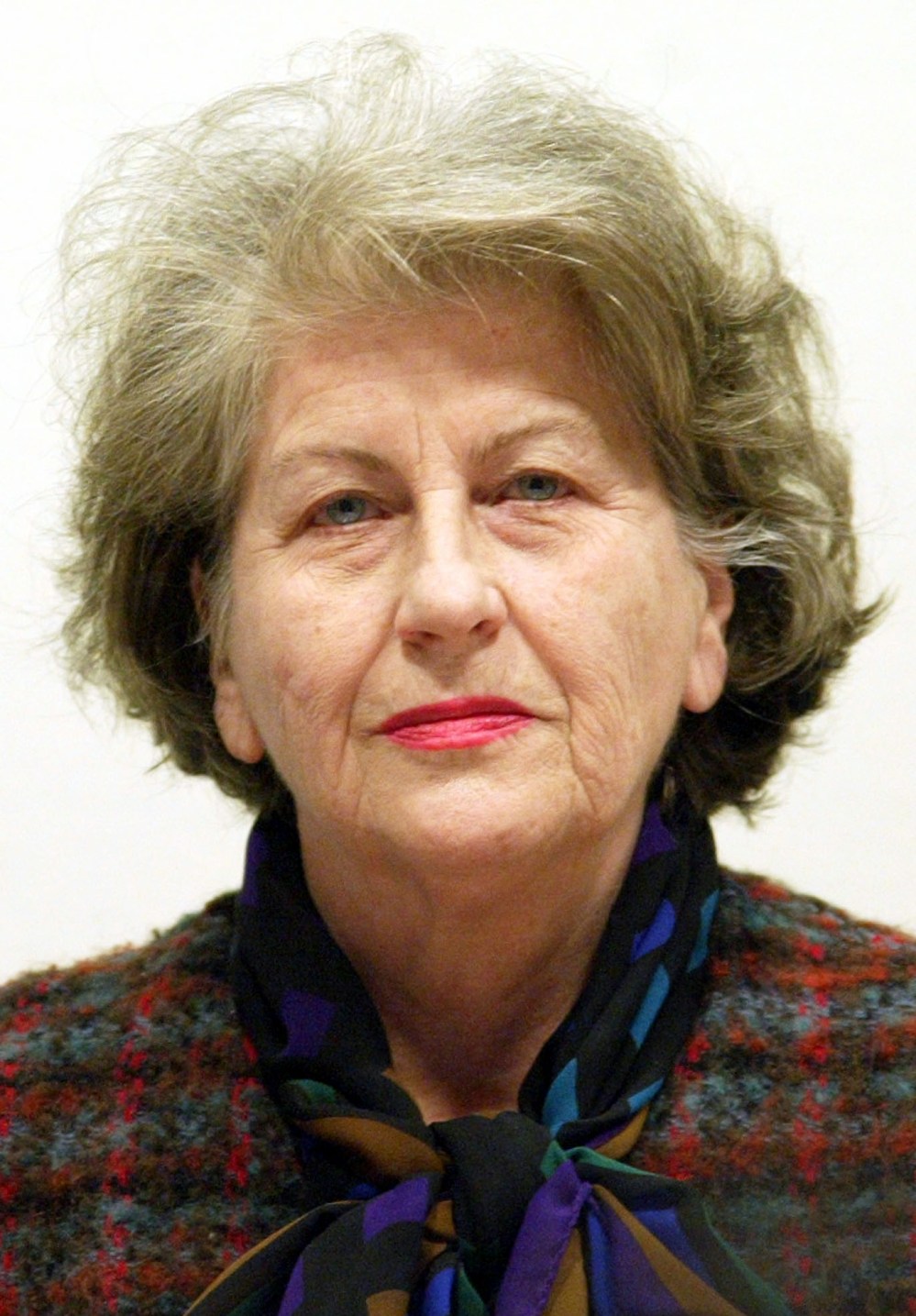
Nonetheless, she was indicted in 2000 by The Hague-based U.N. tribunal for the former Yugoslavia on charges of genocide, war crimes and crimes against humanity for her alleged role in the wartime campaign to carve out a separate Serb entity in Bosnia.
She voluntarily surrendered to face justice in 2001, and later pleaded guilty to the crime against humanity of persecution during the war. Other charges were withdrawn.
“Mrs. Plavsic disregarded reports of widespread ethnic cleansing and publicly rationalized and justified it,” the U.N. court said after she was sentenced. “She was aware that the key leaders of the Serbian Republic of Bosnia and Herzegovina ignored these crimes despite the power to prevent and punish them.”
She was sentenced to 11 years imprisonment and was released in 2009 after serving two-thirds of her sentence.
The U.N. court said that Plavsic’s guilty plea and her acknowledgement of responsibility “should promote reconciliation in Bosnia and Herzegovina and the region as a whole.”
Former U.S. Secretary of State Madeleine Albright told a sentencing hearing that Plavsic actively supported the Dayton peace agreement. She “stood up for that at times when it was very difficult, when there were those who wanted to destroy the Dayton Accords,” Albright said, according to a court statement.
Republika Srpska’s public broadcaster RTRS reported on Thursday that the Bosnian Serb leader Milorad Dodik had expressed his condolences at the news of Plavsic’s death, saying that she was his close associate and deserved full state honors.
“Unfortunately, she was unjustly held accountable before the Hague tribunal,” said Dodik, whom a Bosnian court barred from public office last year for his efforts to separate Republika Srpska from Bosnia. “But that was part of a trend in which anyone who held a position in Republika Srpska was held accountable, even if they had personally committed no crime.”
Plavsic’s death comes just weeks after former Bosnian Serb military chief Ratko Mladic died in detention after being convicted of genocide and other crimes during the Bosnian war.
Before entering politics as the former Yugoslavia crumbled, Plavsic was a professor of natural sciences and faculty dean at the University of Sarajevo.
Since her release from prison, Plavsic had withdrawn from public life and lived in Belgrade.