

Spain’s prime minister calls early elections as pressure mounts over housing crisis
Advertisement
Read this article for free:
or
Already have an account? Log in here »
To continue reading, please subscribe:

Digital Subscription
One year of digital access for only $205*
- Enjoy unlimited reading on winnipegfreepress.com
- Read the E-Edition, our digital replica newspaper
- Access News Break, our award-winning app
- Play interactive puzzles
*First annual payment billed as $205.00 + GST for one year. This annual subscription will automatically renew at $233.00 + GST every 52 weeks (10% off the regular annual price of $259.35). Offer available to new and qualified returning subscribers only. Cancel any time.
To continue reading, please subscribe:
Add Free Press access to your Brandon Sun subscription for only an additional
$1 for the first 4 weeks*
- Enjoy unlimited reading on winnipegfreepress.com
- Read the E-Edition, our digital replica newspaper
- Access News Break, our award-winning app
- Play interactive puzzles
*Your next Brandon Sun subscription payment will increase by $1.00 and you will be charged $17.95 plus GST for four weeks. After four weeks, your payment will increase to $24.95 plus GST every four weeks.
Read unlimited articles for free today:
or
Already have an account? Log in here »
MADRID (AP) — Spanish Prime Minister Pedro Sánchez announced early elections Monday after his government suffered a bruising legislative defeat last week on emergency measures related to the country’s housing crisis.
The vote will be held Nov. 29.
In recent weeks, Spaniards have demanded solutions from the government over housing affordability, holding protests in cities across the country after public outrage grew over the televised eviction of an 87-year-old woman in Madrid last month.
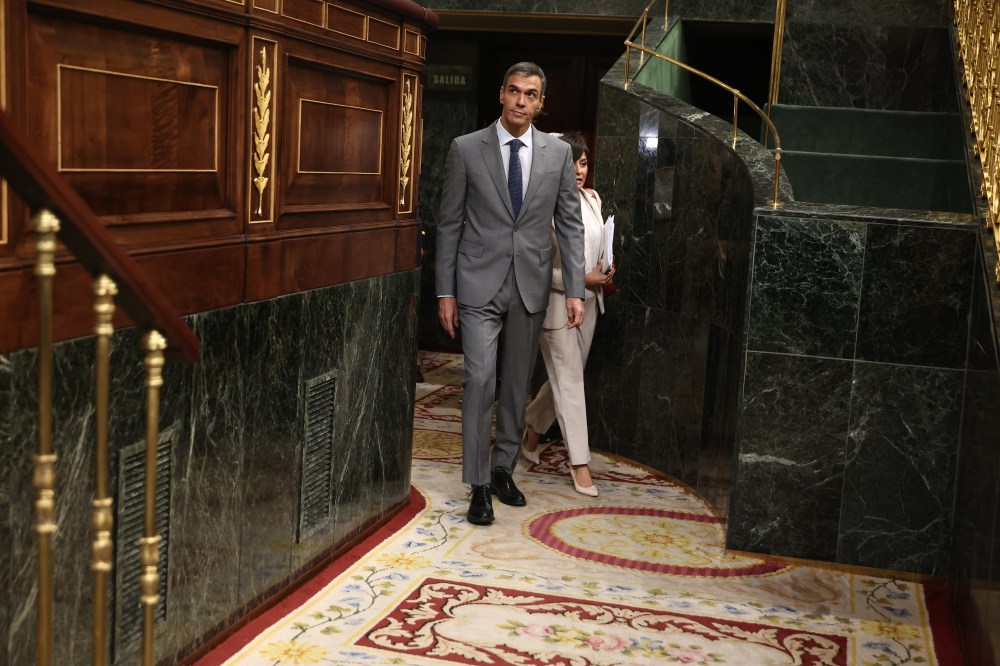
Right-wing opposition parties joined forces to scuttle two emergency decrees in Parliament that included measures to reduce evictions and real estate speculation. The setback sparked wide speculation that Sánchez could consider moving up a national election that would have otherwise taken place next year.
In a televised address, Sánchez argued that a broader progressive coalition in Parliament would allow Spaniards to tackle the biggest issues facing the country today.
“The time has come, therefore, for the Spanish people to decide what future you want for yourselves and for your country,” Sánchez said.
Sánchez, 54, has been Spain’s prime minister since 2018, making him one of Europe’s longest-standing leaders.
He has become one of the leading international progressive heads of government thanks to his defense of migration, his diplomatic efforts to defend Palestinians and his criticism of the American and Israeli war against Iran.
He has also enjoyed one of the fastest growing economies in the developed world in recent years.
But back home, the Spanish leader has been hemmed in by a series of legal cases involving his Socialist party as well as his wife and brother, who both deny wrongdoing.
He has also struggled to account for this summer’s border crossing by tens of thousands of mostly Moroccans into Spain’s North African territory of Ceuta, where a humanitarian crisis remains two months after the initial crisis.
He has led a coalition minority government along with the left-wing junior partner Sumar since 2023. But his reliance on several smaller parties to get anything done has hamstrung his legislative ability.
Throughout his political career, Sánchez has earned a reputation as a political escape artist capable of winning elections he looked set to lose.
Speculation around whether he would call snap elections centered on the momentum that his party may now have around issues of affordability, while the opposition Popular Party — which holds the most seats in Parliament already — is likely to define the contest around corruption.
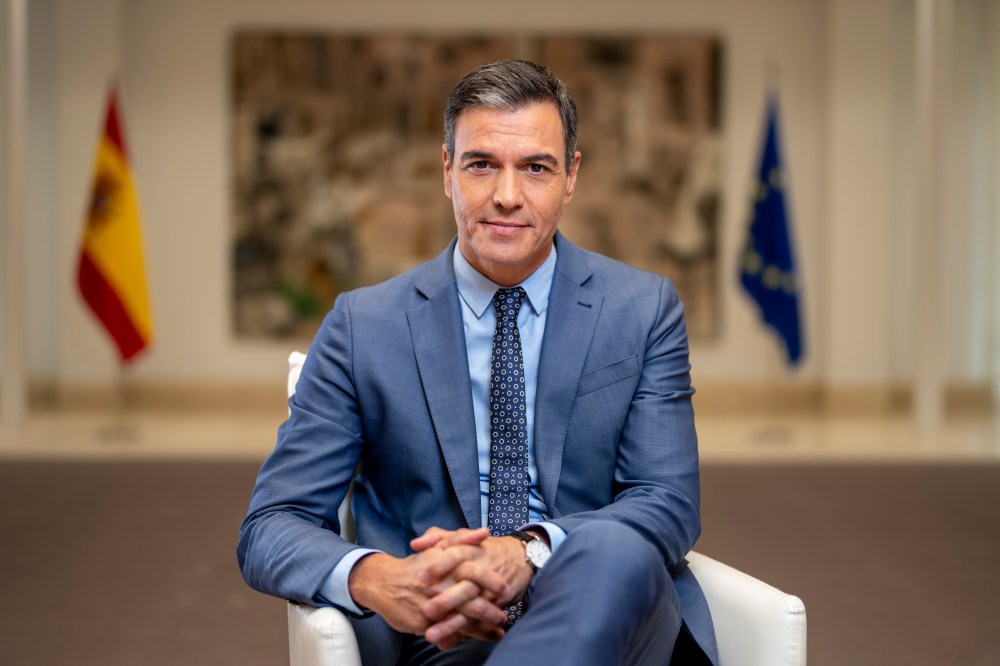
“Sánchez is choosing this moment because it is arguably the best time to do so, given that the issue of housing frames the electoral conflict or debate in terms that are highly favorable to (his party’s) position,” said Oriol Bartomeus, a professor of political science at the Autonomous University of Barcelona.
“Sánchez can frame the election — or has realized he can frame it — in very classic left-versus-right terms,” Bartomeus said.”
The Socialist leader will face Popular Party leader Alberto Núñez Feijóo, who aims to take control of the government.
“At last, the Spanish people will decide,” Feijóo said Monday after the announcement of the the snap election. “These aren’t elections like the previous ones. This is about Spain beating Sánchez,” he said.
The formal dissolution of parliament will need to be approved by the Cabinet, which Sánchez has convened for later Monday.
___
Wilson reported from Barcelona, Spain.