

Afghan women facing arrest for wearing makeup and alleged dress code violations, UN says
Advertisement
Read this article for free:
or
Already have an account? Log in here »
To continue reading, please subscribe:

Digital Subscription
One year of digital access for only $205*
- Enjoy unlimited reading on winnipegfreepress.com
- Read the E-Edition, our digital replica newspaper
- Access News Break, our award-winning app
- Play interactive puzzles
*First annual payment billed as $205.00 + GST for one year. This annual subscription will automatically renew at $233.00 + GST every 52 weeks (10% off the regular annual price of $259.35). Offer available to new and qualified returning subscribers only. Cancel any time.
To continue reading, please subscribe:
Add Free Press access to your Brandon Sun subscription for only an additional
$1 for the first 4 weeks*
- Enjoy unlimited reading on winnipegfreepress.com
- Read the E-Edition, our digital replica newspaper
- Access News Break, our award-winning app
- Play interactive puzzles
*Your next Brandon Sun subscription payment will increase by $1.00 and you will be charged $17.95 plus GST for four weeks. After four weeks, your payment will increase to $24.95 plus GST every four weeks.
Read unlimited articles for free today:
or
Already have an account? Log in here »
KABUL, Afghanistan (AP) — Afghanistan’s Taliban authorities have arrested or detained dozens of women in recent months for alleged violations of dress codes and restrictions on appearing in public without a male guardian, the United Nations mission in the country said Thursday.
At least 52 women and one girl were arrested or detained in Kabul and the western city of Herat between July and September, the mission, known as UNAMA, said. Alleged violations included wearing colorful scarves or makeup, leaving hair visible or not wearing a chador, an all-enveloping cloak-like garment.
UNAMA said it was “gravely concerned” about the arrests, detentions and threats of arrest.
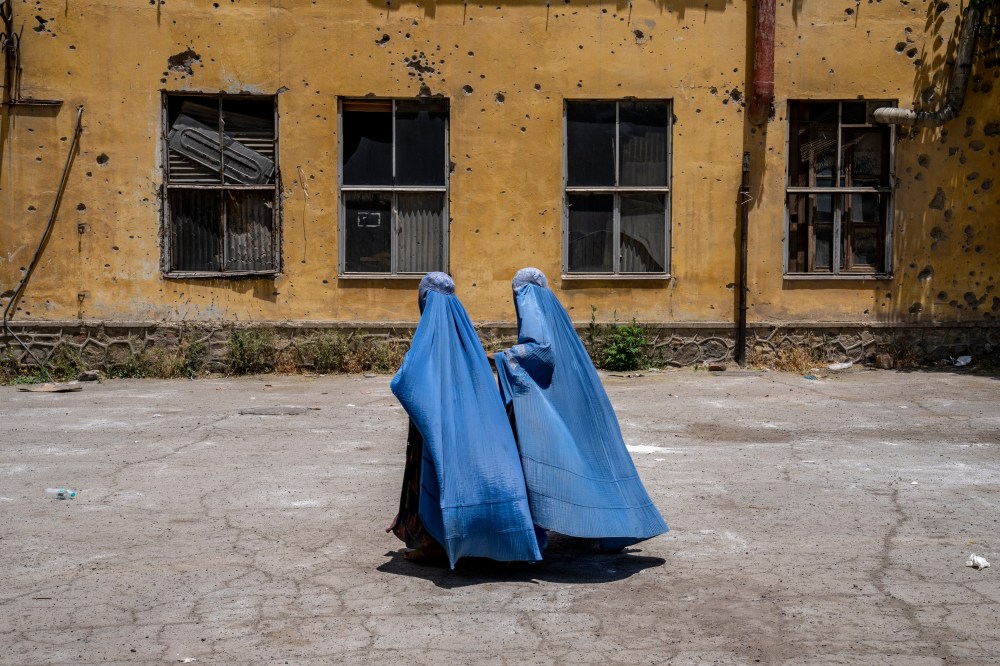
“The number of cases may be significantly higher due to underreporting linked to protection concerns and stigma,” it said, adding it was “also alarmed by incidents involving verbal abuse, beatings and threats against women, including female shopkeepers.”
The Taliban government did not immediately respond to the statement.
In June, Afghan authorities opened fire on a rare protest in Herat over arrests and detentions of women for alleged dress code violations. At least one person was killed and several were wounded at the time, according to witnesses and the U.N. mission.
Since seizing power in 2021 as U.S.-led forces withdrew from Afghanistan, the Taliban government has imposed rules based on a strict interpretation of Islamic, or Shariah, law. Dissent is not tolerated, and protests against government decisions are illegal.
The rules include severe restrictions on women and girls, including a ban on education beyond primary school and limits on what women can wear and where they can go.
Women must wear full hijab in public, including a headscarf, a long robe covering the body and a face covering. The Ministry for the Propagation of Virtue and the Prevention of Vice enforces the rules.