

Brushing teeth may be good for your brain
Advertisement
Read this article for free:
or
Already have an account? Log in here »
To continue reading, please subscribe:

Digital Subscription
One year of digital access for only $205*
- Enjoy unlimited reading on winnipegfreepress.com
- Read the E-Edition, our digital replica newspaper
- Access News Break, our award-winning app
- Play interactive puzzles
*First annual payment billed as $205.00 + GST for one year. This annual subscription will automatically renew at $233.00 + GST every 52 weeks (10% off the regular annual price of $259.35). Offer available to new and qualified returning subscribers only. Cancel any time.
To continue reading, please subscribe:
Add Free Press access to your Brandon Sun subscription for only an additional
$1 for the first 4 weeks*
- Enjoy unlimited reading on winnipegfreepress.com
- Read the E-Edition, our digital replica newspaper
- Access News Break, our award-winning app
- Play interactive puzzles
*Your next Brandon Sun subscription payment will increase by $1.00 and you will be charged $17.95 plus GST for four weeks. After four weeks, your payment will increase to $24.95 plus GST every four weeks.
Read unlimited articles for free today:
or
Already have an account? Log in here »
Hey there, time traveller!
This article was published 03/08/2013 (4797 days ago), so information in it may no longer be current.
LONDON — Bacteria linked to gum disease traveled to the brains of people with Alzheimer’s disease, suggesting that dental hygiene plays a role in the development of the memory-robbing illness, British researchers said.
Signs of the bacterium, known as porphyromonas gingivalis, were found in four out of 10 samples of brain tissue from Alzheimer’s patients, while no signs of the bug were found in 10 brains from people of similar age who never developed dementia, according to the results of the study published in the Journal of Alzheimer’s Disease.
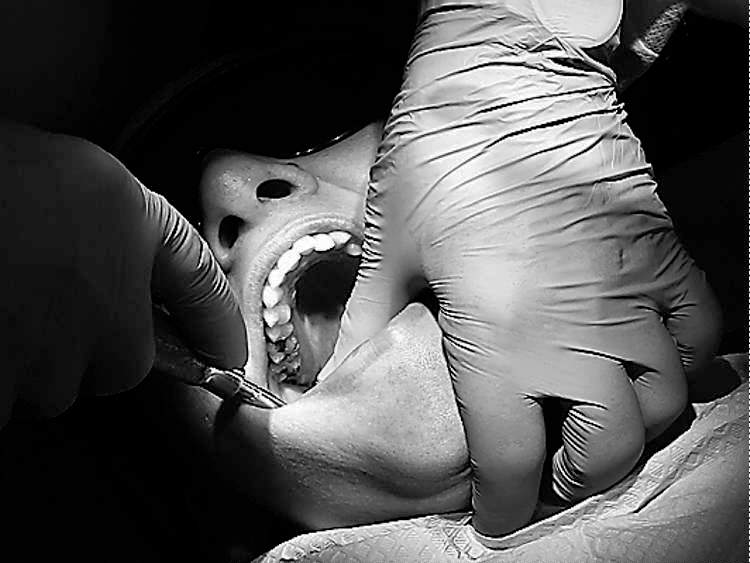
The findings support a theory that bacteria in the mouth enter the bloodstream through chewing or tooth removal and end up in other parts of the body including the brain, StJohn Crean, the lead researcher, said in a telephone interview. Over time, the chemicals produced by the bacteria could build up and contribute to the development of Alzheimer’s, according to the theory. “The results are very encouraging,” said Crean, the dean of the School of Medicine and Dentistry at the University of Central Lancashire in England. “We’ve shown an association, not causation. It does nothing more than to prove that these bacteria do get to the brain.”
While brushing and flossing can also cause bacteria to enter the blood, it’s important to frequently and effectively clean the teeth to decrease the number of bacteria and cut the chance that they will travel outside the mouth, he said.
“The issue is to reduce the bacterial load that occupies our gum tissues, to reduce the bacterial assault if and when it happens,” Crean said.
— Washington Post-Bloomberg