Five beverage trends we’d like to toast in 2022
Sustainability and smaller beers on wish list

Advertisement
Read this article for free:
or
Already have an account? Log in here »
To continue reading, please subscribe:

Digital Subscription
One year of digital access for only $205*
- Enjoy unlimited reading on winnipegfreepress.com
- Read the E-Edition, our digital replica newspaper
- Access News Break, our award-winning app
- Play interactive puzzles
*First annual payment billed as $205.00 + GST for one year. This annual subscription will automatically renew at $233.00 + GST every 52 weeks (10% off the regular annual price of $259.35). Offer available to new and qualified returning subscribers only. Cancel any time.
To continue reading, please subscribe:
Add Free Press access to your Brandon Sun subscription for only an additional
$1 for the first 4 weeks*
- Enjoy unlimited reading on winnipegfreepress.com
- Read the E-Edition, our digital replica newspaper
- Access News Break, our award-winning app
- Play interactive puzzles
*Your next Brandon Sun subscription payment will increase by $1.00 and you will be charged $17.95 plus GST for four weeks. After four weeks, your payment will increase to $24.95 plus GST every four weeks.
Read unlimited articles for free today:
or
Already have an account? Log in here »
Hey there, time traveller!
This article was published 08/01/2022 (1724 days ago), so information in it may no longer be current.
As we all hunker back down into a too-familiar holding pattern of social distancing, working (and schooling… ugh) from home and favouring pickup or delivery over in-person dining and drinking, it’s easy to think this year is going to look and feel a lot like 2021.
Which got me thinking about the drinks trends of the past year — what I liked and didn’t like, and what I’d love to see going forward. Think of what follows as less of a prediction of what I think will happen in 2022 and more as a wish list that hopefully doesn’t come across as too crotchety…
More smaller-format beers. Our local craft beer scene is overflowing with a wide range of delicious options — whether you like lagers, ales, stouts, sours or radlers, there’s something for every taste.
But most of those local options come packaged in 473ml cans, which for some is just too much beer for one sitting. Only a few breweries currently offer any of their wares in smaller 355ml cans, particularly in single-serve format. If I had the option of the same beer in a 355ml can/bottle or 473ml can, I’d almost always take the smaller option.
More sustainable packaging. While some wineries have made moves toward lighter-weight glass bottles, larger-format bag-in-box options and products available in cans and Tetra Pak packaging, others continue to bottle their wines in thick, heavy glass vessels — particularly the pricier premium offerings. Traditionally the thought was if the bottle was heavy, the wine must be good.
Hey, Zubaz pants and perms were once popular too — if we can move past them, we can move past anything, including buying wine packaged in bulky, heavy glass bottles.
More character/less sugar. One of the most compelling aspects of the world of wine is that most bottles bring some sense of place — local grape varieties, climate, techniques and so on — in the glass. But the homogenization in some categories of wine, particularly in red blends with cool names and in fancy packages (especially those coming from California), has killed that notion. Many entry-level red blends (particularly from New World producers, especially from the Golden State but also including Canada) end up dripping with jammy sweetness and overrun with vanilla notes from oak barrels (or, more likely, oak chips, oak staves or even oak powder).
There was once a thought among some in the industry that this type of slightly sweet and confected red blend would serve as a jumping-off point for budding enthusiasts into the wider world of red wines. That hasn’t really materialized; rather, these wines tend to have a captive audience.
If you like this style of wine, no problem. But for me these homogeneous, largely interchangeable red blends keep wine drinkers from the wonder and adventure of discovering something new and tasting some sense of place.
Less (or smarter) barrel aging. Speaking of oak, one positive trend as of late has seen winemakers dialing back the influence of wood in their wines, using older and/or larger barrels for fermentation and aging, if they’re using oak at all (sometimes opting instead for stainless steel tanks or concrete vessels). This has resulted in brighter, fresher wines where the purity of fruit is allowed to shine through unencumbered by big, creamy vanilla notes — a course correction that has particularly benefited Chardonnay, but also wines made from Syrah/Shriaz, Malbec and more.
Other producers, meanwhile, seem to have become fascinated by aging their wines — particularly reds — in barrels originally used to store bourbon. The end result is often overly woody wine that’s more oak flavour than fruit, with higher alcohol levels delivering a long, slow burn on the finish that completely overpowers everything else.
Aging beer in bourbon or rum or sherry casks seems to work well; similarly, the end result of aging whisky in port or sherry or bourbon barrels is often delicious. And while there’s obviously a market for this type of wine, I’ve yet to taste a wine aged in bourbon barrels that I’d ever willingly choose again.
Wholesale pricing for restaurants and bars. Manitoba restaurants currently pay the same price as individuals on wine, beer and spirits purchased through Manitoba Liquor Marts. In December 2021, the Ontario government announced it was cutting wholesale prices on alcohol as of Jan. 1, saving restaurants and bars approximately 20 per cent compared to retail prices and resulting in $60 million in support to struggling establishments. British Columbia introduced similar measures in February 2021, providing licensees a much-needed lifeline.
Restaurants and bars in this province are once again on life support, and a similar move to wholesale pricing would go a long way to helping them survive.
uncorked@mts.net
Twitter: @bensigurdson
Drinks of the week
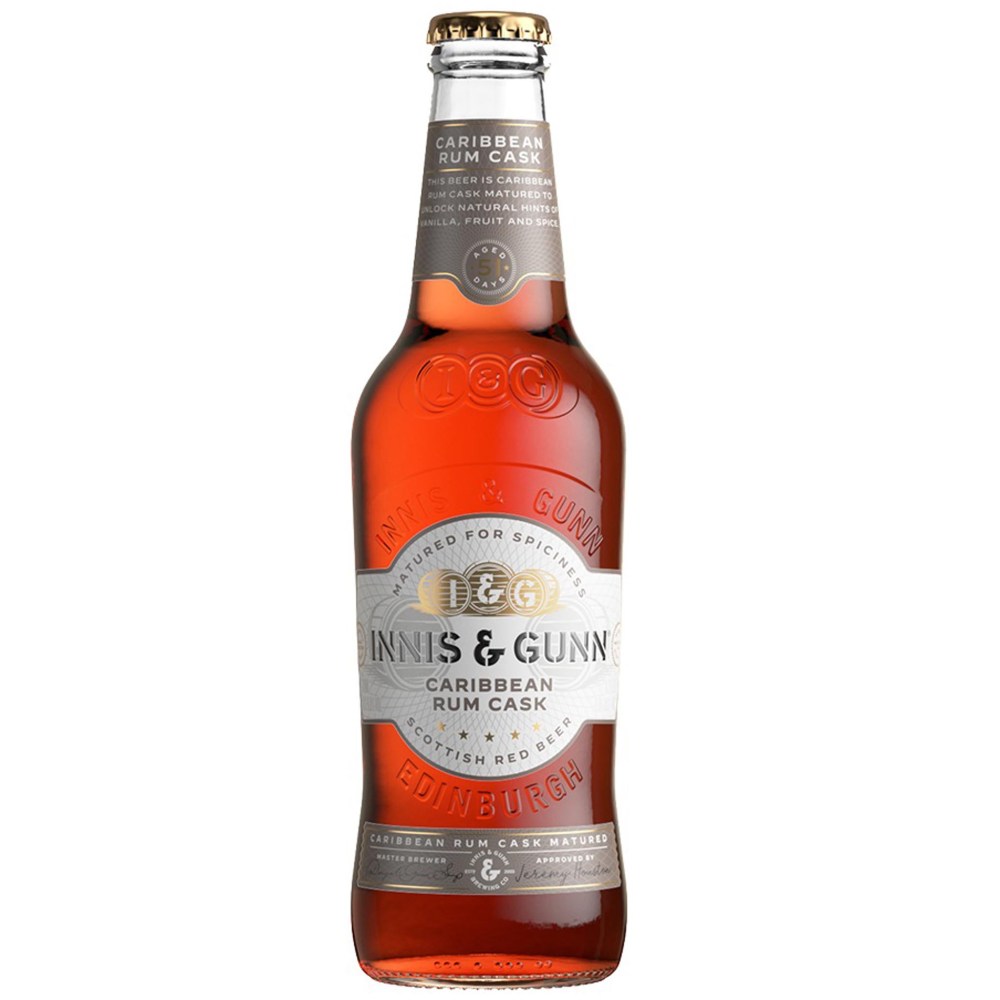
Innis & Gunn Caribbean Rum Cask (Edinburgh, Scotland — $3.29/330ml bottles, Liquor Marts, beer vendors)
Aged for 51 days in Caribbean rum casks, this latest beer from Scottish brewers Innis & Gunn is deep copper in colour, bringing vanilla, baking spice and brown sugar on the nose, along with malt and dried fruit notes. It’s medium-bodied, off-dry and rich, with the spice and vanilla flavours taking a leading role with secondary dried fruit and subtle malt notes and a slightly warm, long finish (at 6.8 per cent alcohol). A slow sipper for cold nights — and in a 330ml bottle, it’s just the right size. 4/5

Paul Jaboulet Aîné 2017 Les Jalets Crozes Hermitage (Rhone Valley, France — $31.22, Liquor Marts and beyond)
This Rhone Valley red is 100 per cent Syrah, and aromatically brings beautiful ripe cherry, iron, earth, raspberry leaf and subtle smoky and barnyard notes. It’s medium-plus-bodied and dry, offering dense cherry, raspberry liqueur, blueberry, pepper and meaty flavours, subtle spice from modest oak aging, a quick hit of tannins that work well with the peppery component, and a warm but balanced finish. Drink this delicious red now. 4.5/5
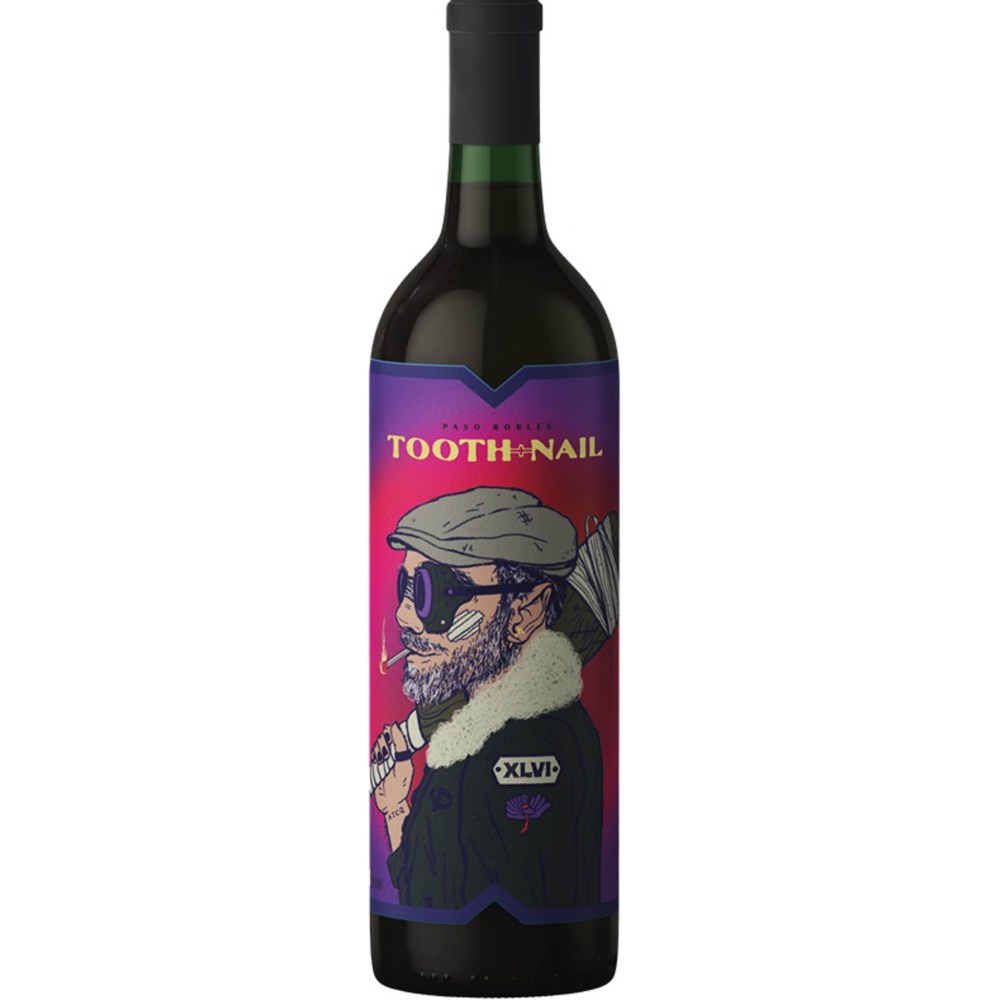
Tooth and Nail 2018 red blend (Paso Robles, Calif. — around $35, private wine stores)
Just over half the grapes in this red are Cabernet Sauvignon, with Merlot (38 per cent) and Petite Sirah (11 per cent) making up the balance. It’s inky purple-black, with ripe plum, blackberry, blackcurrant, cherry and red licorice notes showing well. It’s dense and full-bodied, with chewy dark berry and cherry flavours arriving with cedar, pepper and spice notes, a raisiny, resinous undertone and grippy tannins. It finishes a bit hot (thanks to the 14.8 per cent alcohol), but otherwise brings far more character than many of its contemporaries in the California red blend category. Let it breathe for 15-20 minutes in a glass, or tuck it away for 18-36 months to see if things mellow out. 3.5/5
Ben Sigurdson
Literary editor, drinks writer
Ben Sigurdson is the Free Press‘s literary editor and drinks writer. He graduated with a master of arts degree in English from the University of Manitoba in 2005, the same year he began writing Uncorked, the weekly Free Press drinks column. He joined the Free Press full time in 2013 as a copy editor before being appointed literary editor in 2014. Read more about Ben.
In addition to providing opinions and analysis on wine and drinks, Ben oversees a team of freelance book reviewers and produces content for the arts and life section, all of which is reviewed by the Free Press’s editing team before being posted online or published in print. It’s part of the Free Press‘s tradition, since 1872, of producing reliable independent journalism. Read more about Free Press’s history and mandate, and learn how our newsroom operates.
Our newsroom depends on a growing audience of readers to power our journalism. If you are not a paid reader, please consider becoming a subscriber.
Our newsroom depends on its audience of readers to power our journalism. Thank you for your support.
Ben Sigurdson
Literary editor, drinks writer
Ben Sigurdson is the Free Press‘s literary editor and drinks writer. He graduated with a master of arts degree in English from the University of Manitoba in 2005, the same year he began writing Uncorked, the weekly Free Press drinks column. He joined the Free Press full time in 2013 as a copy editor before being appointed literary editor in 2014. Read more about Ben.
In addition to providing opinions and analysis on wine and drinks, Ben oversees a team of freelance book reviewers and produces content for the arts and life section, all of which is reviewed by the Free Press’s editing team before being posted online or published in print. It’s part of the Free Press‘s tradition, since 1872, of producing reliable independent journalism. Read more about Free Press’s history and mandate, and learn how our newsroom operates.
Our newsroom depends on a growing audience of readers to power our journalism. If you are not a paid reader, please consider becoming a subscriber.
Our newsroom depends on its audience of readers to power our journalism. Thank you for your support.
Advertisement Advertise With Us
Advertisement Advertise With Us