In conversation with Katłįà Lafferty
Northern novelist delves into her latest work, This House is Not a Home
Advertisement
Read this article for free:
or
Already have an account? Log in here »
To continue reading, please subscribe:

Digital Subscription
One year of digital access for only $205*
- Enjoy unlimited reading on winnipegfreepress.com
- Read the E-Edition, our digital replica newspaper
- Access News Break, our award-winning app
- Play interactive puzzles
*First annual payment billed as $205.00 + GST for one year. This annual subscription will automatically renew at $233.00 + GST every 52 weeks (10% off the regular annual price of $259.35). Offer available to new and qualified returning subscribers only. Cancel any time.
To continue reading, please subscribe:
Add Free Press access to your Brandon Sun subscription for only an additional
$1 for the first 4 weeks*
- Enjoy unlimited reading on winnipegfreepress.com
- Read the E-Edition, our digital replica newspaper
- Access News Break, our award-winning app
- Play interactive puzzles
*Your next Brandon Sun subscription payment will increase by $1.00 and you will be charged $17.95 plus GST for four weeks. After four weeks, your payment will increase to $24.95 plus GST every four weeks.
Read unlimited articles for free today:
or
Already have an account? Log in here »
Hey there, time traveller!
This article was published 23/09/2022 (1441 days ago), so information in it may no longer be current.
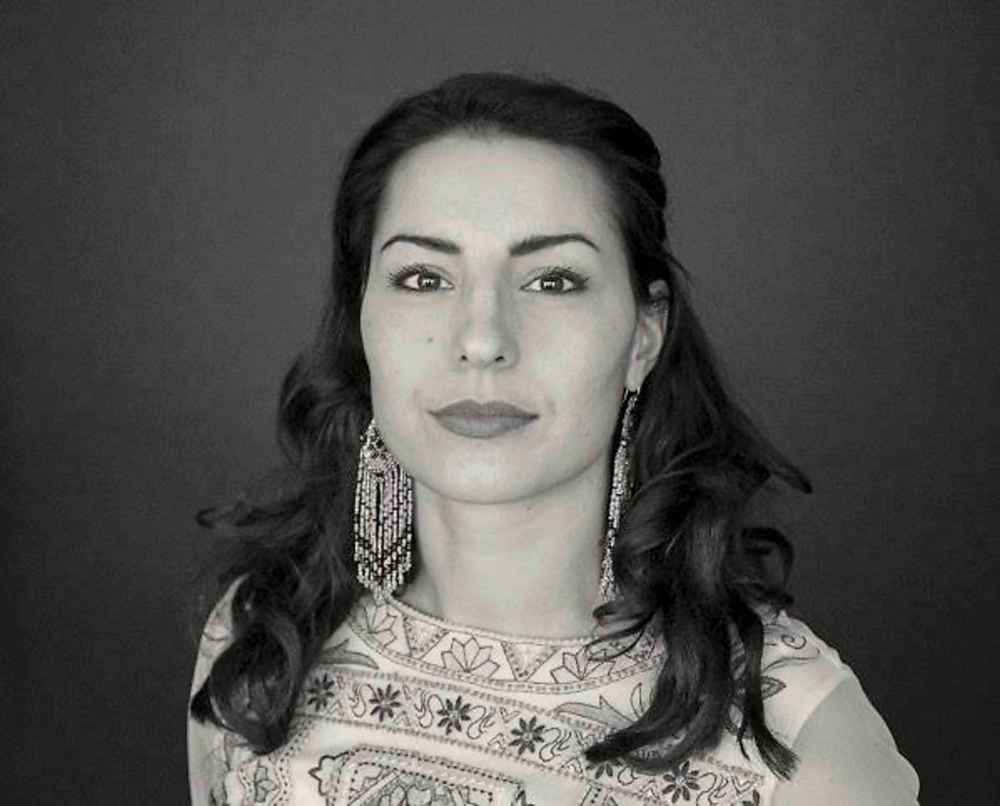
Katłįà (Catherine) Lafferty is a northern Dene/Cree/Métis novelist, freelancer and columnist. A member of the Yellowknives Dene First Nation from Somba K’e (Yellowknife), Northwest Territories, she currently resides on the occupied and unceded lands of the Coast Salish peoples in lək̓ʷəŋən territory.
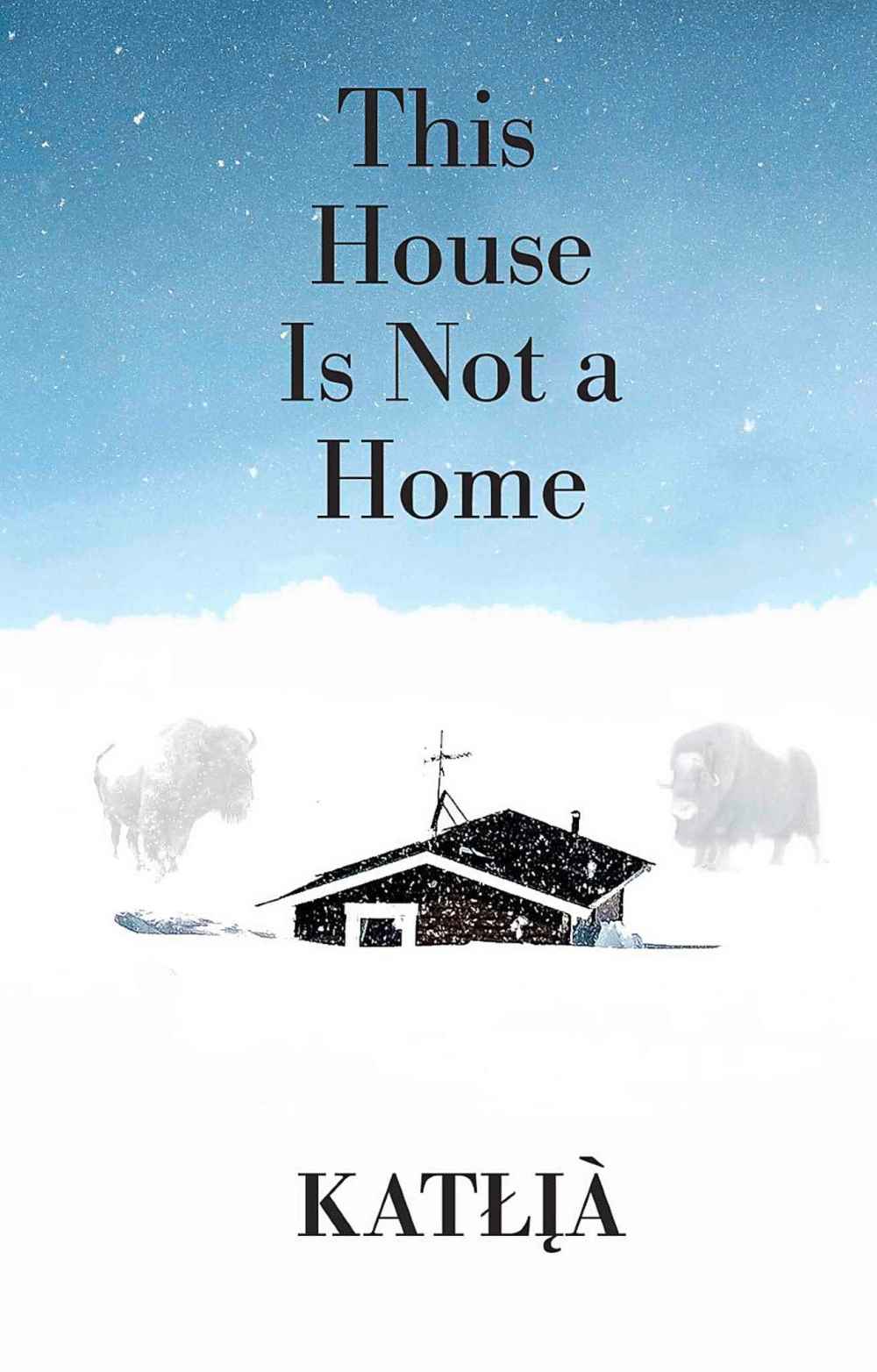
Her third book, This House is Not a Home, is a fictional narrative based on real stories about the crisis of housing in the North.
This House is Not a Home follows Kǫ̀, a Dene man who grew up entirely on the land before being taken to residential school, only to return to his home and struggle to connect with his family again.
The book “presents a clear trajectory of how settlers dispossessed Indigenous Peoples of their land and how Indigenous communities, with dignity and resilience, continue to live and honour their culture, values, inherent knowledge systems, and Indigenous rights towards re-establishing sovereignty.”
Katłįà is part of Thin Air 2022, the annual Winnipeg writers’ festival, running this year from Sept. 20 to Oct. 18.
This year, Thin Air is again going hybrid, with both in-person and online events, as well as exclusive content from participating authors on their festival website, thinairfestival.ca.
Katłįà is one of the authors with exclusive content on the festival’s online hub.
WFP: What are your goals for This House is Not a Home?
Katłįà: I would like it to be a mandatory read in high schools to show readers that not only were the residential schools an assimilation tactic on Indigenous Peoples, but that every corner of government had a part in trying to dispossess Indigenous Peoples of their rights, including the housing system, child welfare system and the health-care system. I hope that this book is read far and wide and strikes the need for change within the broken housing system. Many people living in housing are faced with inadequate living situations to the point of dying of health violations, such as having to breathe in mould.
What was the inspiration for your main character, Kǫ̀?
Kǫ̀ is an amalgamation of many strong Dene people I have encountered in my life who have come up against problems within the housing system and fought to sustain their autonomy and self-determination against a system that was designed to break families apart.
What was your favourite part of writing This House is Not a Home?
As with all of my writing, I am amazed at how a story unfolds and how the characters almost form a life of their own and present gifts to me throughout the writing process. I am often pleasantly surprised how underlying themes can take shape and come together almost effortlessly in a way that provides insight and teachings for the reader if they are able to decipher the hidden messages.
What has been unique about your journey as a writer from the North?
I am able to call upon settings and cultural ways of knowing and being through a life lived in the North full of rich experiences and histories that don’t exist anywhere else in the world. To be able to convey this in my writing I think offers a bit of an escape for readers and an almost disbelief at how the North can truly be so ethereal.
What themes do you always seem to return to in your writing, and why are you drawn to those themes?
I try to cover different themes in different pieces of my writing. For Land-Water-Sky I addressed domestic and sexual partner violence, climate change, child apprehension, and industrial destruction. For This House Is Not a Home, I address themes of indoctrination.
I used Elvis as an in-between of the two spiritual concepts of organized religion and Indigenous belief systems. Elvis in one way is used to notion the “shaker” belief.
I also brought up suicide, addictions and again, climate change within the book. Climate change and pollution I think runs rampant in all of my writing because I often use the land as a character. We see the landscape changing and we see this through time but also through prophecy.
It’s important to bring up climate change to raise awareness about how we can do our part to change the trajectory of the status quo.
Writing necessarily involves excavating deeply personal, possibly even traumatic, experiences and putting them on the page for others to read. You deal with lots of heavy topics in your work, from intergenerational trauma to addiction and domestic violence. How do you integrate caring for yourself into your writing process?

I think writing itself is a method of healing for me. I do take long breaks from my writing at times because it can be so heavy to submerse myself in a character for too long, as I tend to take on the persona of that character until I am done writing.
What are you reading right now? What are you writing right now?
Right now, I am reading Klee Wyck by Emily Carr, and I am in the process of writing my next novel, Northern Wildfire, about a young Dene woman who has an affinity to fire.
This House is Not A Home is out now with Fernwood Publishing.
Alyssa Sherlock is a Winnipeg writer.