

Simona Halep, 2-time major champ, gets provisional drug ban
Advertisement
Read this article for free:
or
Already have an account? Log in here »
To continue reading, please subscribe:

Digital Subscription
One year of digital access for only $205*
- Enjoy unlimited reading on winnipegfreepress.com
- Read the E-Edition, our digital replica newspaper
- Access News Break, our award-winning app
- Play interactive puzzles
*First annual payment billed as $205.00 + GST for one year. This annual subscription will automatically renew at $233.00 + GST every 52 weeks (10% off the regular annual price of $259.35). Offer available to new and qualified returning subscribers only. Cancel any time.
To continue reading, please subscribe:
Add Free Press access to your Brandon Sun subscription for only an additional
$1 for the first 4 weeks*
- Enjoy unlimited reading on winnipegfreepress.com
- Read the E-Edition, our digital replica newspaper
- Access News Break, our award-winning app
- Play interactive puzzles
*Your next Brandon Sun subscription payment will increase by $1.00 and you will be charged $17.95 plus GST for four weeks. After four weeks, your payment will increase to $24.95 plus GST every four weeks.
Read unlimited articles for free today:
or
Already have an account? Log in here »
Hey there, time traveller!
This article was published 21/10/2022 (1399 days ago), so information in it may no longer be current.
Two-time Grand Slam champion Simona Halep was provisionally suspended by the International Tennis Integrity Agency after failing a drug test during the U.S. Open in August.
The ITIA announced the punishment Friday for Halep, a former No. 1 player who is currently No. 9 in the WTA rankings. She won Wimbledon in 2019, beating 23-time major champion Serena Williams in the final, and the French Open in 2018.
In a social media post, Halep called the news of her positive test “the biggest shock of my life,” adding: “Facing such an unfair situation, I feel completely confused and betrayed.”
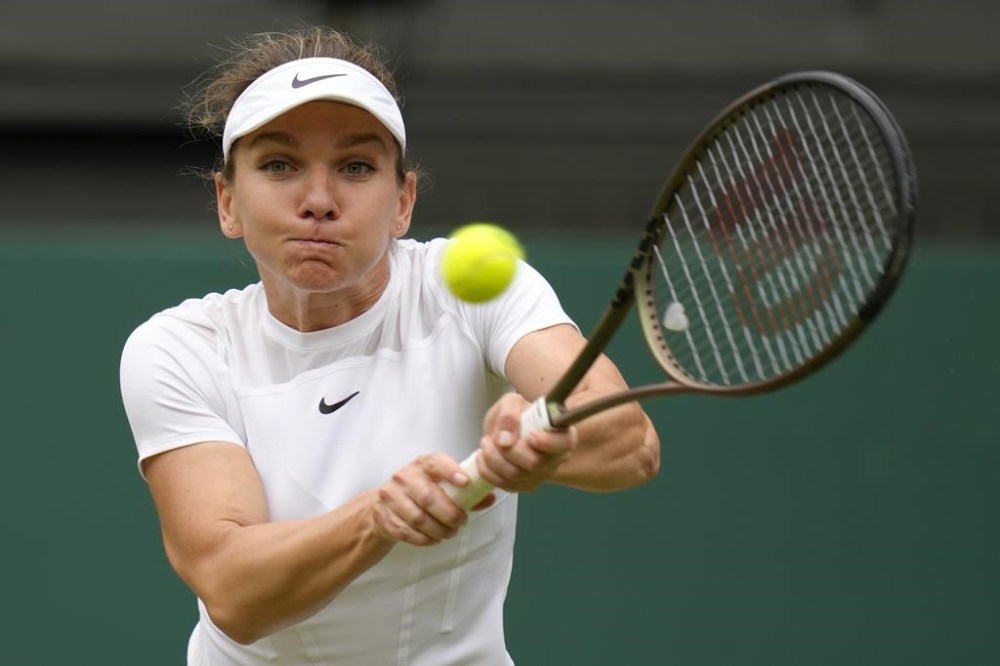
“I will fight until the end to prove that I never knowingly took any prohibited substance,” Halep wrote, “and I have faith that sooner or later, the truth will come out.”
She is the most prominent tennis player to face a doping ban since five-time Grand Slam champion Maria Sharapova tested positive for a newly banned substance at the 2016 Australian Open. Sharapova initially was given a two-year suspension but appealed to the Court of Arbitration for Sport, which reduced the penalty, ruling she bore “less than significant fault” in the case and could not “be considered to be an intentional doper.”
Halep, a 31-year-old from Romania, announced in September she was taking the rest of this season off after having nose surgery to improve her breathing. She considered retiring early this year after a series of injuries, but then said she felt rejuvenated after teaming up in April with coach Patrick Mouratoglou, who used to work with Williams.
Seeded No. 7 at the U.S. Open, Halep lost in the first round to Daria Snigur of Ukraine 6-2, 0-6, 6-4 on Aug. 30. It was the first tour-level win of Snigur’s career.
Spokesmen for the U.S. Tennis Association and Mouratoglou declined comment.
The ITIA said Halep tested positive in New York for the banned substance Roxadustat, a drug approved for medical use in the European Union to treat the symptoms of anemia caused by chronic kidney failure.
Halep said she was told her test showed “an extremely low quantity.”
According to the EU’s medicines agency, which approved Roxadustat last year, it stimulates the body to produce more of the natural hormone erythropoietin, or EPO, which has long been a doping product favored by cyclists and distance runners.
During a provisional suspension, a tennis player is ineligible to compete in, or attend, any sanctioned events.
Under the World Anti-Doing Code, Halep faces a ban of up to four years for a positive test for a substance like Roxadustat. Athletes can earn a reduction in their ban if they quickly admit an offense and accept their sanction.
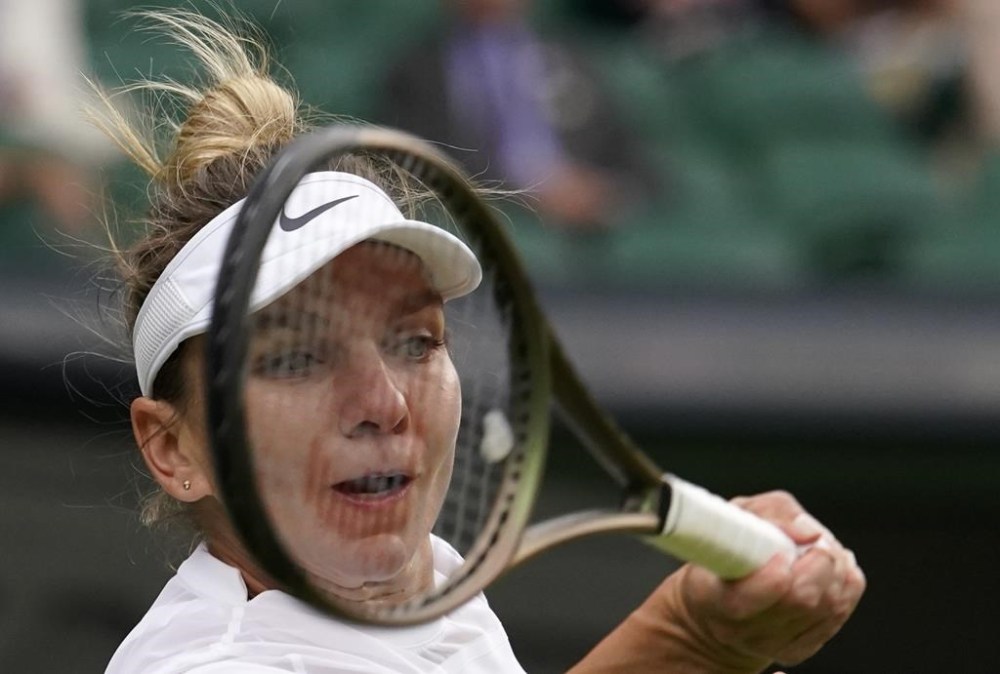
Tennis authorities will handle Halep’s case and any ruling can be challenged by the World Anti-Doping Agency in an appeal to the Court of Arbitration for Sport.

“Today begins the hardest match of my life: a fight for the truth,” Halep wrote Friday.
___
AP Sports Writer Graham Dunbar in Geneva contributed to this report.
___
More AP tennis: https://apnews.com/hub/tennis and https://twitter.com/AP_Sports