Canadian wine regions in crisis
Climate change, tasting room closures mar B.C., Ontario producers

Advertisement
Read this article for free:
or
Already have an account? Log in here »
To continue reading, please subscribe:

Digital Subscription
One year of digital access for only $205*
- Enjoy unlimited reading on winnipegfreepress.com
- Read the E-Edition, our digital replica newspaper
- Access News Break, our award-winning app
- Play interactive puzzles
*First annual payment billed as $205.00 + GST for one year. This annual subscription will automatically renew at $233.00 + GST every 52 weeks (10% off the regular annual price of $259.35). Offer available to new and qualified returning subscribers only. Cancel any time.
To continue reading, please subscribe:
Add Free Press access to your Brandon Sun subscription for only an additional
$1 for the first 4 weeks*
- Enjoy unlimited reading on winnipegfreepress.com
- Read the E-Edition, our digital replica newspaper
- Access News Break, our award-winning app
- Play interactive puzzles
*Your next Brandon Sun subscription payment will increase by $1.00 and you will be charged $17.95 plus GST for four weeks. After four weeks, your payment will increase to $24.95 plus GST every four weeks.
Read unlimited articles for free today:
or
Already have an account? Log in here »
Hey there, time traveller!
This article was published 21/10/2023 (1064 days ago), so information in it may no longer be current.
Briansprout.com Many B.C.-area vineyards are for sale after wildfires, smoke, landslides and a cold winter have hurt grape growing over the last 12 months.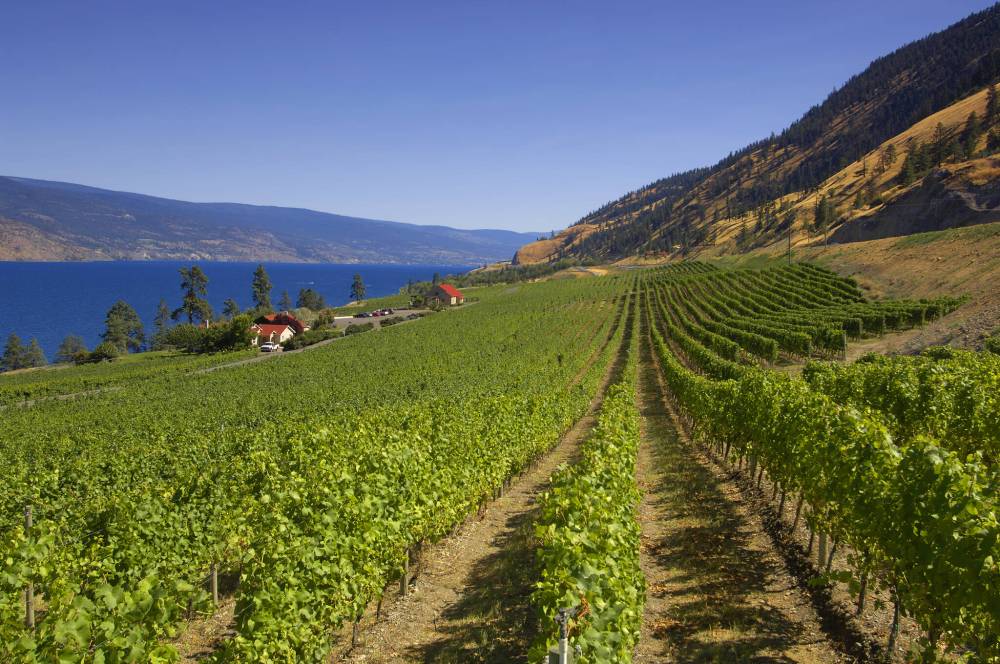
From tasting-room closures to climate-related crises to a glut of grapes going potentially unused, red flags are being raised in wine regions in both Ontario and British Columbia as producers struggle to stay afloat.
And while store shelves in Manitoba might not look too different in the short-term, what’s happening as of late in Canada’s grape-growing and winemaking regions could have impacts that reverberate well beyond provincial borders.
Starting out west, larger companies have moved towards amalgamating operations, shuttering tasting rooms and winding down the public-facing component of longstanding, well-known brands.
In April, Sumac Ridge’s Summerland, B.C. tasting room was closed, with production shifted off-site to parent company Arterra’s Oliver-based facility (meaning the brand will remain). More recently, on Oct. 8 it was announced Red Rooster would suffer a similar fate, with on-site operations at their Naramata Bench facility winding down. Like Sumac Ridge, the Red Rooster name will stick around (for the time being at least) as parent company Andrew Peller Ltd. moves production to its Kelowna-based Sandhill winery.
Smaller B.C. players are also closing up tasting rooms or winding up operations, including East Kelowna’s Kitsch, Oliver’s Covert Farms and West Kelowna’s Indigenous World Winery.
Others are up for sale, including Seven Stones in the Similkameen Valley, Off the Grid Organic Winery, Blue Sky Estate winery, Rainmaker Wines and others in the Okanagan Valley.
The reasons for this upheaval, at least in the Okanagan Valley, are many, but have been driven in large part by a perfect (or perfectly terrible) storm. In an Oct. 15 post on Substack (which can be read at wfp.to/6FJ), B.C.-based writer and wine educator Luke Whittall notes that wildfires (and accompanying smoke), landslides and a brutally cold winter over the last 12 months not only kept visitors away, but also drastically reduced this year’s crops and decimated vineyards — all as the region was trying to reopen to wine tourism post-COVID.
In June, Wine Growers B.C. president Miles Prodan said in a statement the climate-change-related December 2022 cold snap resulted in a drop in wine-grape production by between 39 and 56 per cent, that 45 per cent of vines had suffered “long-term, irreparable damage” and 22 per cent would have to be replanted.
The situation in Ontario is quite different, but only slightly less dire.
While a wet August was saved by a long, warm and dry fall, writes Rick VanSickle on his Wines In Niagara website, the danger has become a glut of grapes — anywhere between 2,000 and 4,000 tonnes — that will be left to rot if they don’t find buyers. It’s a situation that is “sending shockwaves across the region for growers,” says VanSickle (his report can be read at wfp.to/6Fc).
The glut looks to be the largest since 2008, and VanSickle quotes industry leaders as pointing to a decrease in sales and the uncertain future of Ontario winemaking.
Potential solutions proposed by a consortium of wine industry associations include reducing the tax burden on Ontario producers (whose industry is among the highest-taxed in the world) and making Ontario VQA wine more of a focus at LCBO stores. Revamping the way Ontario VQA wines are sold and distributed in the province — moving to a model more like B.C.’s and adding permanent support to VQA producers — has also been suggested.
Among the more outside-the-box proposals being floated is potentially selling surplus Ontario fruit interprovincially to winemakers in other regions suffering from reduced crops — in other words, B.C. producers. Even if the move were to be a temporary one-off, it’s one whose impact could have a ripple effect for years to come — for better or worse.
Wines of the week
Loxarel 2016 999 Reserva Brut Nature (Penedes, Spain — around $25-$29, private wine stores)
Loxarel 999 Reserva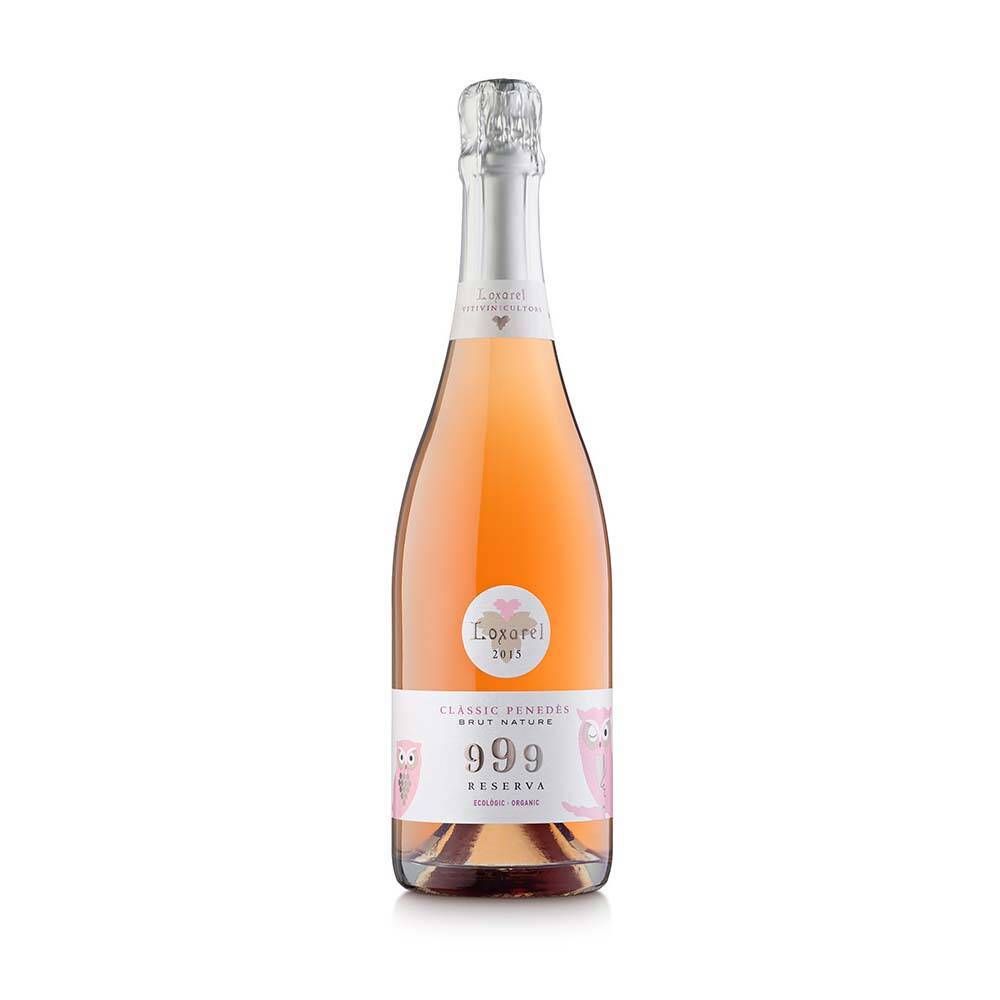
Pale pink in colour, this organic Spanish bubbly brings chalky strawberry, peach and lemon zest aromas.
It’s light-bodied, with medium acid, cherry and slightly subtle herbal notes, with a lovely texture, soft bubbles, red berry flavours and a medium-length finish.
It’s a great value, particularly for vintage-dated bubbly, which you don’t often find at this price. Available at the Winehouse, the Pourium and Kenaston Wine Market. 4/5
MontGras 2022 Amaral Sauvignon Blanc (Leyda Valley, Chile — $16.99, Liquor Marts and beyond)
MontGras Amaral Sauvignon Blanc
Very pale straw in colour, this Chilean Sauvignon Blanc leads with lemon oil, grapefruit and gooseberry aromas while bringing a modest bell/jalapeño pepper note as well.
On the dry, light-bodied palate those citrus flavours come with intense, vibrant acidity, which in turn bolsters the pepper notes before a medium-length finish.
Tasty on its own, but could use some grilled shrimp or pasta in a cream sauce to tame that citrus-driven zip. 3.5/5
Lindeman’s 2021 Bin 50 Shiraz (South Eastern Australia — $13.99, Liquor Marts and beyond)
Lindeman’s Bin 50 Shiraz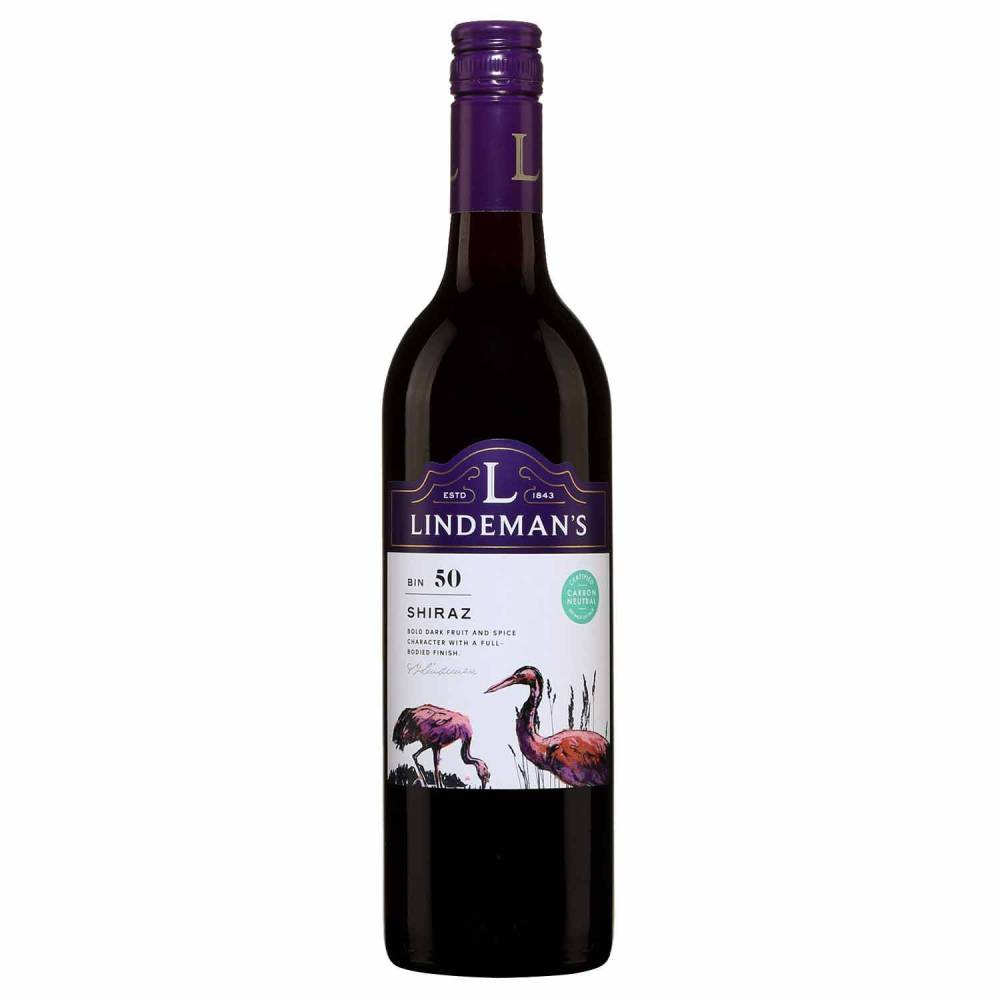
Entry-level Aussie reds come and go, but this Shiraz from Lindeman’s has stood the test of time.
It’s inky cherry in colour and aromatically brings black cherry, blackcurrant and hints of olive, spice and black tea.
Its medium-plus body brings a subtle hint of sweetness (unlike some overly jammy New World reds) which complements the dark and red berry flavours and a vanilla note, while light tannins come with slight peppery note before the relatively short finish. For the price it still stands up. 3/5
uncorked@mts.net
@bensigurdson
Ben Sigurdson
Literary editor, drinks writer
Ben Sigurdson is the Free Press‘s literary editor and drinks writer. He graduated with a master of arts degree in English from the University of Manitoba in 2005, the same year he began writing Uncorked, the weekly Free Press drinks column. He joined the Free Press full time in 2013 as a copy editor before being appointed literary editor in 2014. Read more about Ben.
In addition to providing opinions and analysis on wine and drinks, Ben oversees a team of freelance book reviewers and produces content for the arts and life section, all of which is reviewed by the Free Press’s editing team before being posted online or published in print. It’s part of the Free Press‘s tradition, since 1872, of producing reliable independent journalism. Read more about Free Press’s history and mandate, and learn how our newsroom operates.
Our newsroom depends on a growing audience of readers to power our journalism. If you are not a paid reader, please consider becoming a subscriber.
Our newsroom depends on its audience of readers to power our journalism. Thank you for your support.
Ben Sigurdson
Literary editor, drinks writer
Ben Sigurdson is the Free Press‘s literary editor and drinks writer. He graduated with a master of arts degree in English from the University of Manitoba in 2005, the same year he began writing Uncorked, the weekly Free Press drinks column. He joined the Free Press full time in 2013 as a copy editor before being appointed literary editor in 2014. Read more about Ben.
In addition to providing opinions and analysis on wine and drinks, Ben oversees a team of freelance book reviewers and produces content for the arts and life section, all of which is reviewed by the Free Press’s editing team before being posted online or published in print. It’s part of the Free Press‘s tradition, since 1872, of producing reliable independent journalism. Read more about Free Press’s history and mandate, and learn how our newsroom operates.
Our newsroom depends on a growing audience of readers to power our journalism. If you are not a paid reader, please consider becoming a subscriber.
Our newsroom depends on its audience of readers to power our journalism. Thank you for your support.
Advertisement Advertise With Us
Advertisement Advertise With Us