New music
Reviews of this week’s album releases
Advertisement
Read this article for free:
or
Already have an account? Log in here »
To continue reading, please subscribe:

Digital Subscription
One year of digital access for only $205*
- Enjoy unlimited reading on winnipegfreepress.com
- Read the E-Edition, our digital replica newspaper
- Access News Break, our award-winning app
- Play interactive puzzles
*First annual payment billed as $205.00 + GST for one year. This annual subscription will automatically renew at $233.00 + GST every 52 weeks (10% off the regular annual price of $259.35). Offer available to new and qualified returning subscribers only. Cancel any time.
To continue reading, please subscribe:
Add Free Press access to your Brandon Sun subscription for only an additional
$1 for the first 4 weeks*
- Enjoy unlimited reading on winnipegfreepress.com
- Read the E-Edition, our digital replica newspaper
- Access News Break, our award-winning app
- Play interactive puzzles
*Your next Brandon Sun subscription payment will increase by $1.00 and you will be charged $17.95 plus GST for four weeks. After four weeks, your payment will increase to $24.95 plus GST every four weeks.
Read unlimited articles for free today:
or
Already have an account? Log in here »
Hey there, time traveller!
This article was published 01/03/2024 (933 days ago), so information in it may no longer be current.
ROOTS
Hurray for the Riff Raff
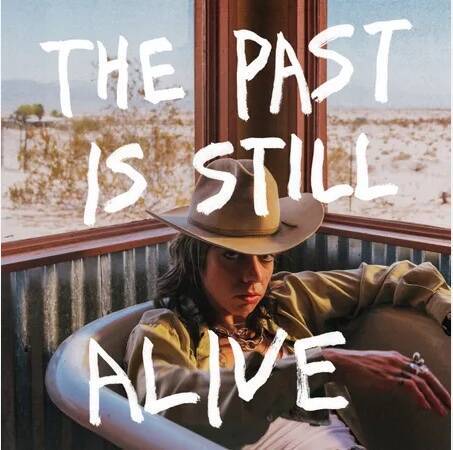
The Past is Still Alive (Nonesuch)
Hurray for the Riff Raff is the nom de disc of Alynda Segarra, a 36-year-old native of the Bronx who left New York City as a 17-year-old goth. For the next couple of years, Segarra, who uses they/them pronouns, lived the hand-to-mouth life of a traveller, hopping on and off boxcars before making their home in New Orleans, joining a street band and becoming immersed in acoustic roots and folk music.
As HFTRR, they released five indie albums, had a song included in the soundtrack to HBO’s Treme and created a buzz in No Depression circles before their 2014 record, Small Town Heroes, earned the kind of acclaim that attracts greater attention and exposure.
Segarra’s last couple of albums have been exercises in form (The Navigator, from 2017, was a concept record) and style (2022’s Life on Earth was a genre-blend they called “nature punk”) but, as its title implies, The Past Is Still Alive is essentially a summary of the artist’s musical, lyrical and personal path.
Segarra’s stories and lyrics are full of richly detailed, image-laden reminiscences of a time when they were “a little girl with a buck knife and fake ID,” sleeping rough, dumpster-diving for food and learning about the world from the situations and people encountered along the way.
The music, produced by Brad Cook (Bon Iver, Waxahatchee), is a blend of buzzing roots rock played by a full band (as on album opener Alibi, or the propulsive Hawkmoon), and contemplative, acoustic-based folk (Colossus of Roads, about queer life, or The World is Dangerous, on which Segarra is joined by Bright Eyes’ Conor Oberst).
Final track Ogallala is an epic country waltz, full of reverberating pedal steel, and even features a woozy brass break after a clever reference to the band playing on the deck of the Titanic.
While there’s certainly a nostalgic feel to much of this record — and Segarra says the performances were coloured by the death of their father just before recording began — its ultimate message is that a wanderer’s life is never simply rootless. We are always anchored in and informed by our journeys. ★★★★ out of five stars
Stream: Buffalo, Snake Plant (The Past is Still Alive), Ogallala
— John Kendle
ROCK
Ace Frehley
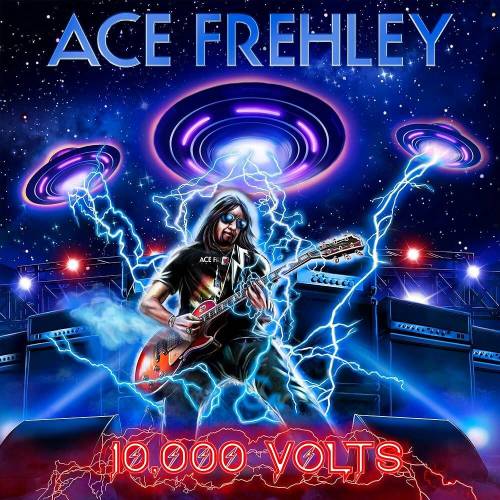
10,000 Volts (MNRK)
No shock here: Ace Frehley has still got the power.
The former Kiss guitarist whose vocal debut came on 1977’s Shock Me is back with 10,000 Volts, a new solo album that’s crackling with energy and personality.
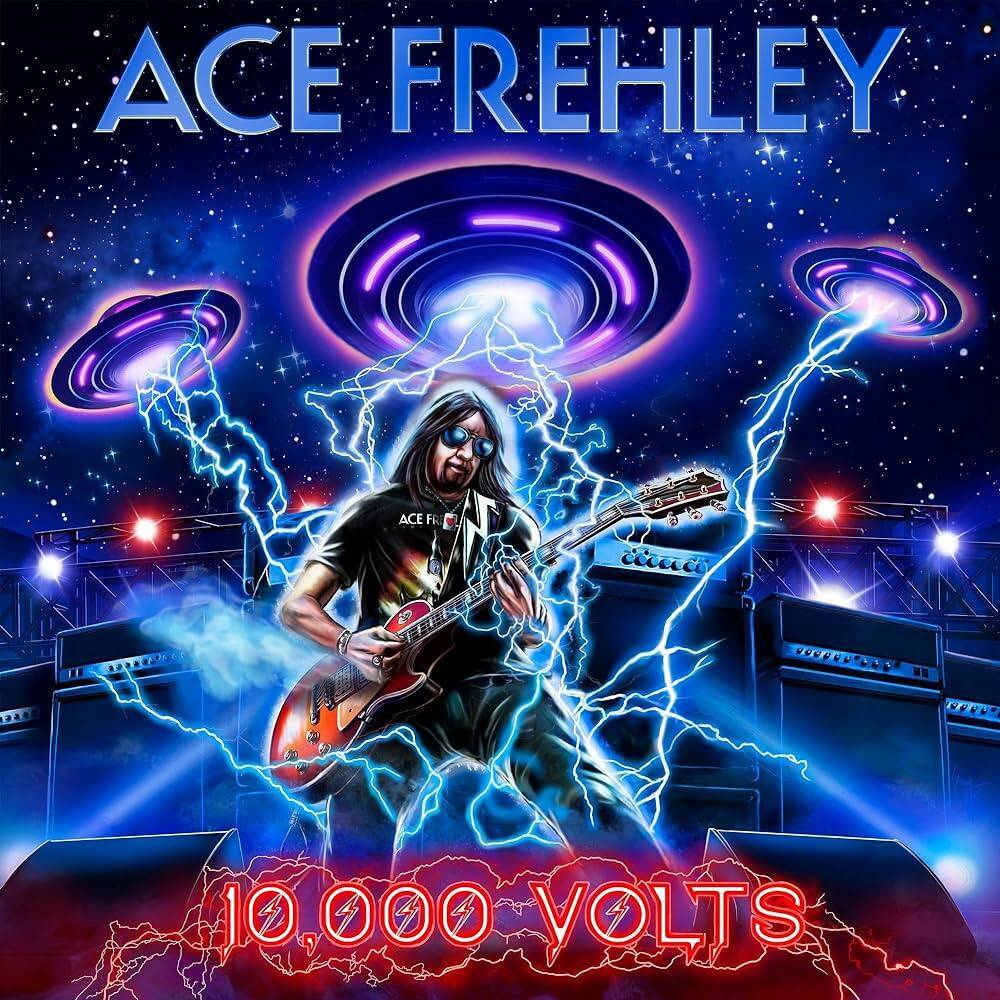
The title track is another electricity-themed song from Frehley, who sustained a major electrical shock on stage in 1976 from touching an ungrounded metal railing. The foundational guitar riff is true ear candy, one that will stay in your brain for weeks with just a single listen.
Up in the Sky is vintage Space Ace wondering about mysterious lights in the heavens (“I know what I saw!”) and Cosmic Heart is a dark, slower-paced rocker reminiscent of Kiss’s She from 1975.
Frehley remains one of hard rock’s classic guitar pioneers, with a string-bending, blues-based vibrato sound that’s instantly recognizable.
Back Into My Arms Again is a holdover from his first solo tour in 1985 that was never recorded until now. It’s the kind of power ballad MTV ate up in the 1980s; it remains to be seen how well it might do now.
Fightin’ for Life is the album’s hardest rocker, about his days running with a street gang in New York City. Constantly Cute is a catchy pop-rocker marred by truly cringe-worthy lyrics that even a puppy-love-smitten 12-year old wouldn’t use.
It ends, as all Ace Frehley solo albums do, with an instrumental. This one is called Stratosphere and highlights Ace’s creativity and songwriting talents better than many of the vocal tracks. ★★★★ out of five stars
Stream: Stratosphere, Up in the Sky, Fightin’ for Life
— Wayne Perry, The Associated Press
JAZZ
Will Régnier
Traces (Self-released)
Montreal drummer/occasional guitarist and composer Will Régnier’s debut album is indicative of a fine new talent in the vibrant Quebec and Canadian jazz scene. Régnier brings a mélange of influences to this project, including straight-up jazz, folk and progressive rock. It works well, with the jazz focus clearly leading the way.
His colleagues — Marcus Lowry on guitar, Yannick Anctil on piano and Alex Le Blanc on bass — show complete comfort with the approaches within the tracks.
While there are definite (if usually understated) rock influences on many tracks, the most impressive reality here is perhaps the folk influence on melody. Régnier’s compositions are terrific and make the album a treat.
While all quartet members are full participants, I was most taken by guitarist Lowry, perhaps augmenting the rock sensibility in some of the writing. There is ample time given to pianist Anctil as well, an impressive contribution. There is complexity in the rhythmic underpinnings of the tracks while retaining a gentle swinging mood.
Entre Les Lignes or Smoke and Mirrors, for example, draw the listener into the musical journey of melodic beauty. The title track dances through shifting moods that build steadily with neat solos from all members. Pianist Anctil is a particular standout on this track, trading riffs with guitarist Lowry.
The short track called Comme Des Traces Oubliées is a hard-edged rockish tune with drummer Régnier sitting in on acoustic guitar. The final track, Farewell, is the gentlest melody of the session and a fine way to end a fine album.
It is always fun to experience a new talent that makes one eager to hear more. ★★★1/2 out of five stars
Stream: Smoke and Mirrors, Lights Out
— Keith Black
CLASSICAL
Carlos Simon, National Symphony Orchestra
Tales — A Folklore Symphony (National Symphony Orchestra)
This recent album by the National Symphony Orchestra is the first of four digital releases showcasing the music of Atlanta, Ga.-born composer Carlos Simon, whose three-year residency as composer-in-residence with the Washington, D.C.-based ensemble has recently been extended through 2027.
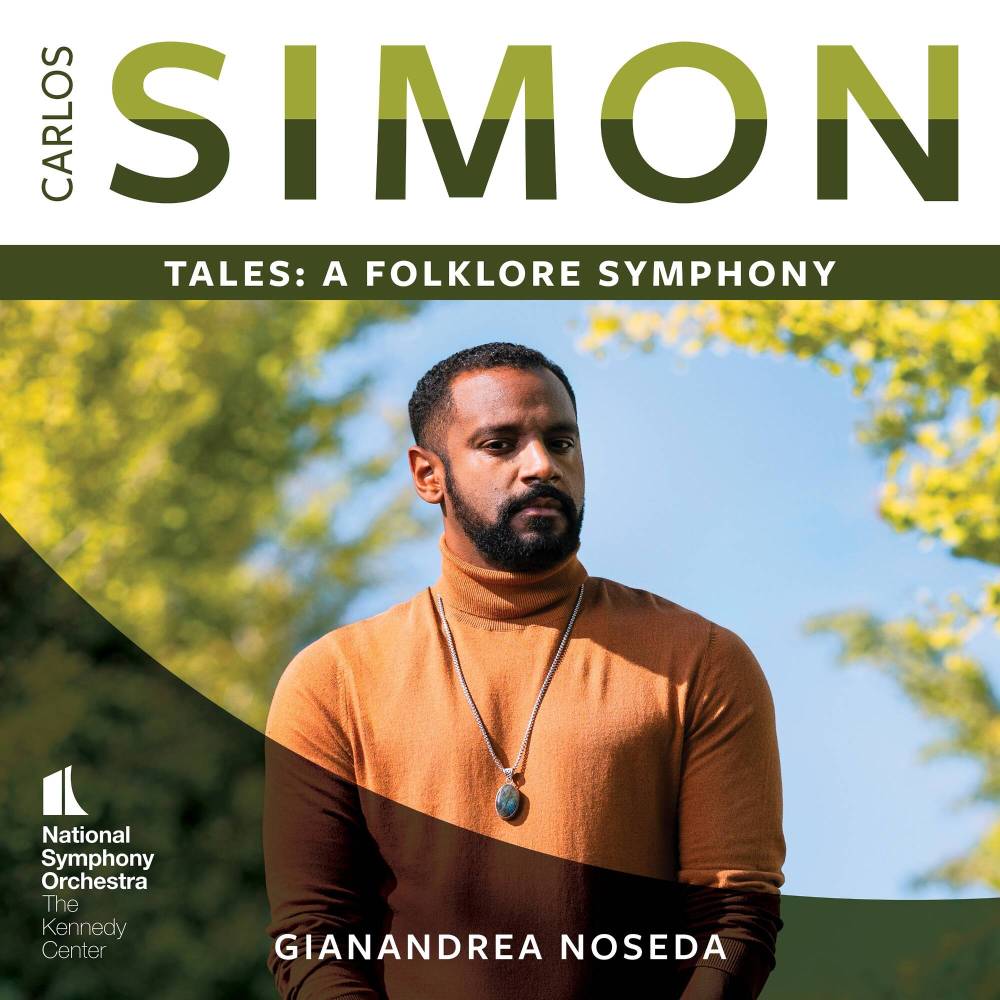
Tales – A Folklore Symphony (2021) described in the liner notes as an “exploration of African American folklore and Afrofuturist stories” offers the first taste of the Grammy-nominated musician’s compositional ethos, blending both classical and folkloric influences.
Its first of four movements, Motherboxx Connection inspired by heroic characters found in the comic books of Black Kirby (American artists John Jennings and Stacey Robinson) bristles with taut energy, including its bold, fanfare-like motive led with verve by NSO maestro Gianandrea Noseda.
Flying Africans — based on the poetic belief that all Africans could once fly before becoming enslaved in America — is particularly poignant, with spiritual Steal Away laced throughout, heard in both the eloquent winds and cellos.
Simon also includes another in Go Down Moses (Let My People Go) with the second spiritual providing the framework for the penultimate movement, while finale John Henry evokes the work songs enslaved prisoners would sing as they laboured.
The album itself is unusually short, clocking in at less than 23 minutes; however, that’s not necessarily a bad thing, only leaving listeners hungry for more from this intriguing compositional voice with a great deal to say. ★★★★ out of five stars
Stream: Go Down Moses (Let My People Go), John Henry
— Holly Harris
History
Updated on Friday, March 1, 2024 6:48 AM CST: Rearranges images, formats text