And the 50-year forecast calls for… Shorter, drier, warmer Prairie winters, which will result in fewer outdoor recreational opportunities
Read this article for free:
or
Already have an account? Log in here »
To continue reading, please subscribe:

Digital Subscription
One year of digital access for only $205*
- Enjoy unlimited reading on winnipegfreepress.com
- Read the E-Edition, our digital replica newspaper
- Access News Break, our award-winning app
- Play interactive puzzles
*First annual payment billed as $205.00 + GST for one year. This annual subscription will automatically renew at $233.00 + GST every 52 weeks (10% off the regular annual price of $259.35). Offer available to new and qualified returning subscribers only. Cancel any time.
To continue reading, please subscribe:
Add Free Press access to your Brandon Sun subscription for only an additional
$1 for the first 4 weeks*
- Enjoy unlimited reading on winnipegfreepress.com
- Read the E-Edition, our digital replica newspaper
- Access News Break, our award-winning app
- Play interactive puzzles
*Your next Brandon Sun subscription payment will increase by $1.00 and you will be charged $17.95 plus GST for four weeks. After four weeks, your payment will increase to $24.95 plus GST every four weeks.
Read unlimited articles for free today:
or
Already have an account? Log in here »
Hey there, time traveller!
This article was published 28/02/2025 (543 days ago), so information in it may no longer be current.
They call it Winterpeg for a reason; winters in the Manitoba capital and across the Canadian Prairies are known to stretch on for months, punctuated by extreme cold spells and big snowfalls. But recent years just haven’t felt as harsh.
A warm spell in December delayed the onset of winter. February brought frigid, polar-vortex-cold days, but temperatures quickly climbed back to above-average heights — notably in the past week where daytime highs were well above the seasonal normal of -5 C.
Last winter was the warmest on record in Canada, and while this can be attributed in part to a normal El Niño cycle, which brings warmer, drier conditions, it’s indicative of a creeping trend for Prairie winters.
Data from Climate Central, a non-partisan, non-profit group of scientists and communicators who publish climate change research, show Canada lost, on average, at least a week’s worth of winter days (defined as days between December and February where temperatures fall below 0 C) each year in the last decade.
Coastal cities in British Columbia, as well as some parts of Ontario, lost upwards of two weeks of winter days in the same time.
While Winnipeg has lost the fewest winter days — just one per year — scientists have warned the Prairies will be a “hotspot for climate change” and are expected to warm much faster than the global average.
The changes will be seen slowly, over decades rather than individual years, but winters are expected to become noticeably shorter, warmer and drier within most Canadians’ lifetimes.
Here’s what to expect as climate change grips the Prairies.
Winnipeg winters, and their accompanying shoulder seasons, are, above all, long. The first frost has historically arrived in the last weeks of September and the last frost melts away in mid-May. That means temperatures are typically frosty for about two-thirds of the year.
Over those eight months, temperatures historically fall below -5 C — considered a “mild winter day” — for a little more than half the time (139 days), with about a week and a half’s worth of extreme cold days where temperatures drop below -30 C.
Those very cold days are projected to become more rare if carbon pollution continues as normal; the Climate Atlas of Canada predicts Winnipeg will average four extreme cold days by 2050, and just one by 2080. The coldest temperature of the season, historically averaging around -36 C, will climb to -28 C by the 2080s.
The season as a whole is expected to shrink too, losing more than a month of mild winter days.
The warmer conditions could be a boon for agriculture — a longer growing season can bring higher yields and better survival rates for livestock.
But warmer temperatures could also give crop-damaging pests a better shot at surviving the winter. Ticks and mosquitoes are expected to thrive in warmer conditions, increasing risks of Lyme disease and other insect-borne illnesses.
In urban areas, warm winters tend to bring more frequent freeze-thaw cycles, where snow and ice melt, re-freeze and melt again. Those cycles mean more potholes (something Winnipeg has historically struggled with) and more strain on critical infrastructure, such as sewage systems.
Another side effect of a warmer winter season: less snow on the ground.
Natural Resources Canada has already recorded fewer days of snow cover country-wide in recent decades, and projects that trend is “very likely” to continue.
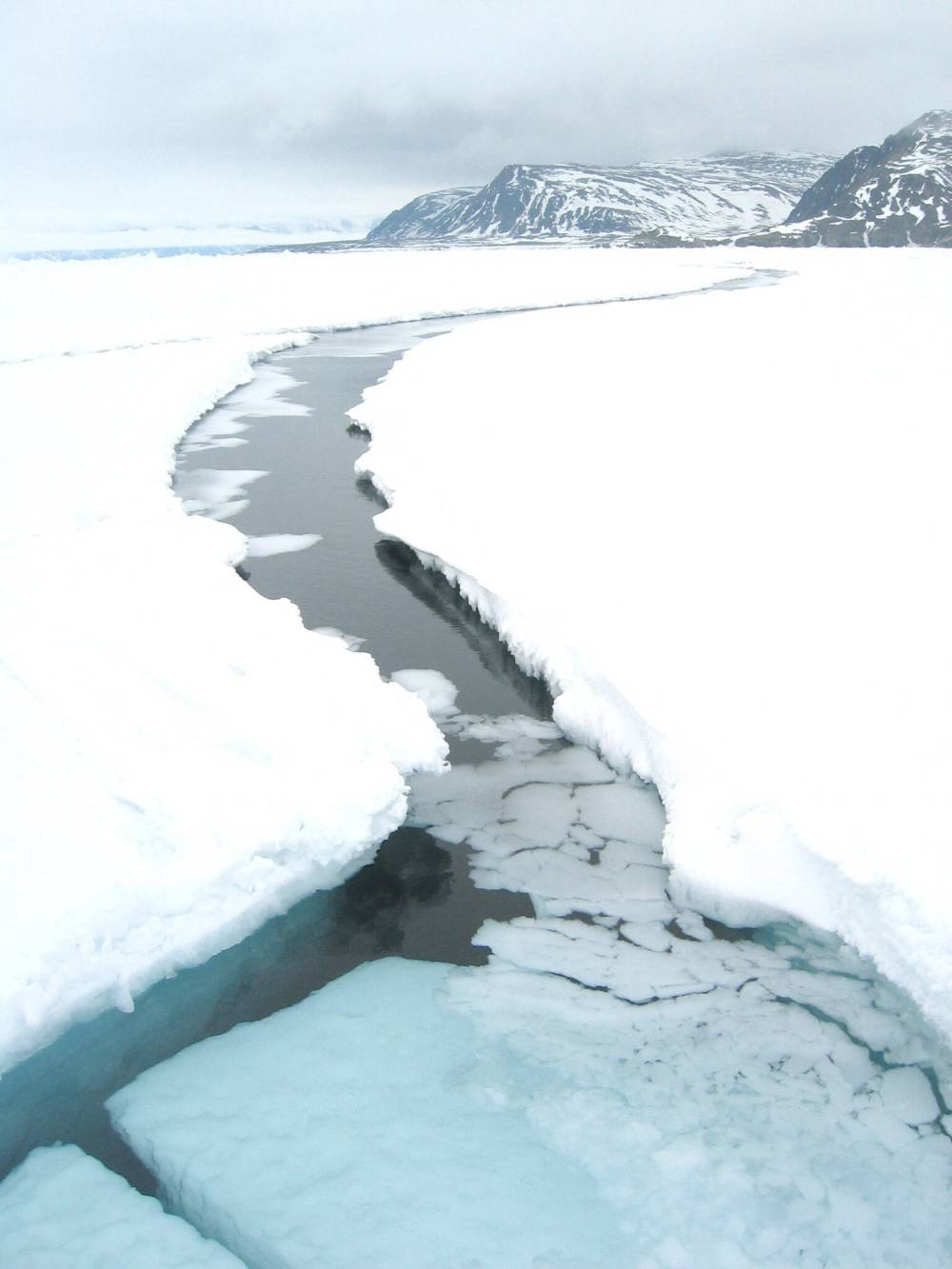
Winnipeg historically sees about 65 millimetres of precipitation — mostly snow — through the winter months, according to Climate Atlas data. While analysts predict more overall precipitation in the future, up to 77 milimetres by 2080, more of it is expected to come in the form of rain.
Natural Resources data show snow accumulation across Canada has decreased by between five and 10 per cent per decade since 1981, and a further 15 to 30 per cent reduction is expected by 2050.
On the Prairies, the report notes, warmer temperatures will “shift the proportion of total precipitation that currently falls as snow toward rain.”
Wetter winter months can strain municipal infrastructure and pose new challenges for farmers, but there are impacts that strike closer to home, too.
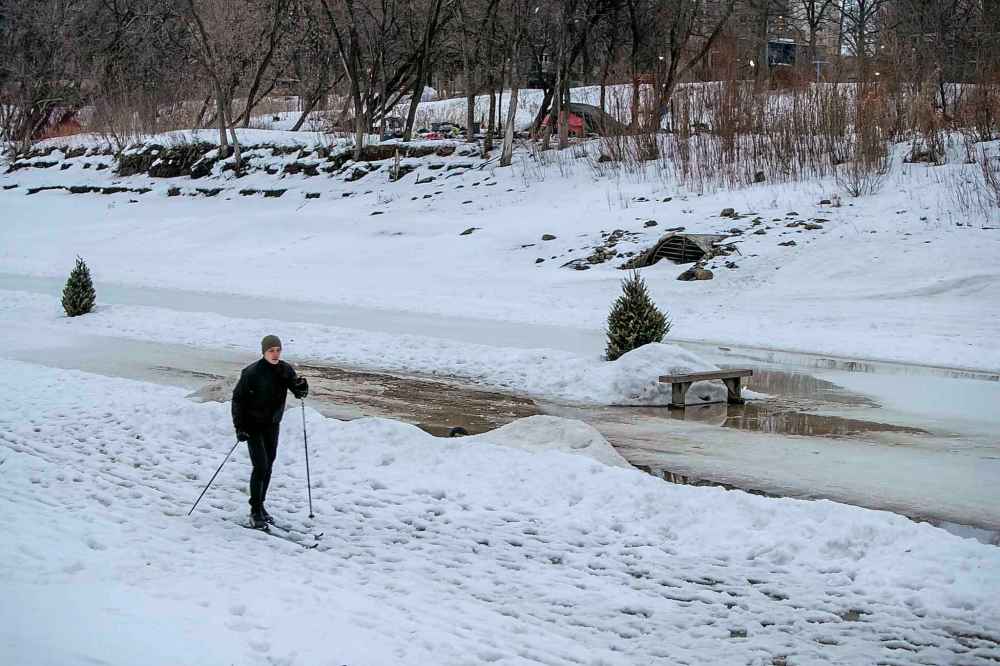
“How much snow falls and how much sticks around are declining across North America,” Toronto-based sports ecologist Madeleine Orr, who studies the impacts of climate change on sport, said in an interview.
“That’s impacting your cross-country skiing, downhill skiing, any kind of tobogganing or making a snowman — the fun stuff we do. It’s going to take a toll, and it already is.”
It’s a similar situation for ice cover on the lakes and rivers that dot the Prairies. Fall freezes are arriving later and spring break up is happening earlier — especially across small lakes in Manitoba, Saskatchewan, Ontario and Southern Quebec, according to Natural Resources Canada.
“The data that we have uniformly shows that access to natural ice is really steeply declining since the 1990s,” Orr said.
“We’ve lost, in every part of Canada, somewhere between 20 and 40 skateable winter days in your average season.”
That means there are fewer opportunities to take part in quintessential Canadian pastimes like a game of shinny, or a family skate on the river.
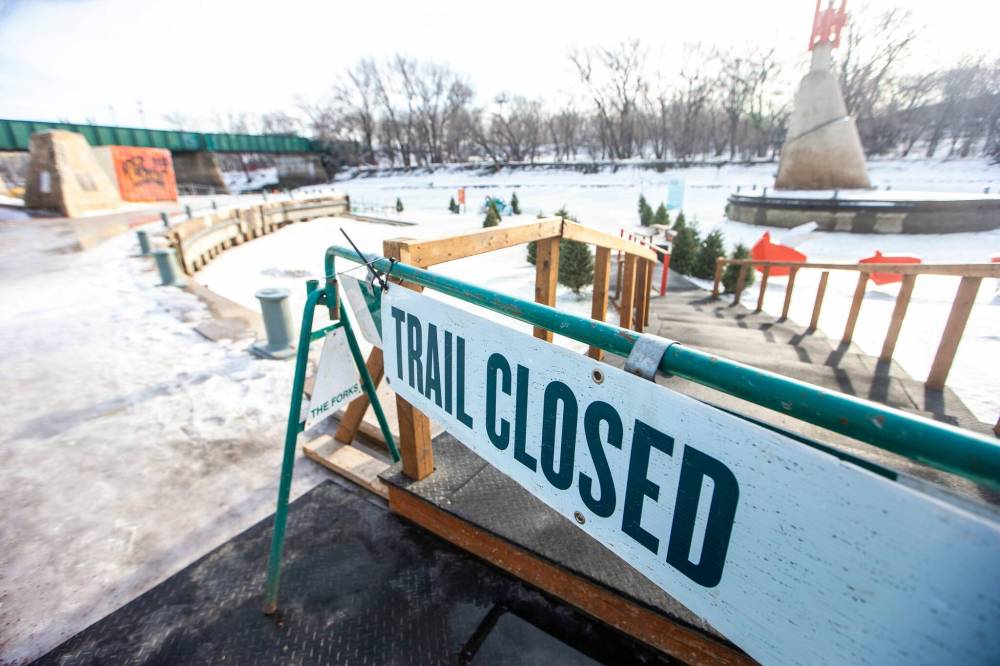
Ottawa’s Rideau Canal has lost about a week’s worth of skating days every decade since the 1970s, and it didn’t open to skaters at all in 2023. Winnipeg’s Nestawaya River Trail was only open for skating nine days last winter.
Researchers at Wilfrid Laurier University’s Rink Watch initiative, which tracks conditions on outdoor rinks across Canada, projects the number of viable outdoor skating days will drop by 34 per cent in Toronto and Montreal and 19 per cent in Calgary by 2090.
Orr notes this lack of ice time has negative implications for health.
“When the weather’s gross it’s too cold to comfortably run, but if there’s no snow you’re not skiing, if there’s no ice you’re not skating — you’re kind of strapped for options, especially for families,” she said.
While the overall trends point to warmer, shorter Prairie winters in the future, it doesn’t mean extreme cold spells and other severe winter weather events will disappear altogether.
At the heart of natural weather cycles are the jet streams: narrow bands of strong wind that circumnavigate the upper atmosphere helping form the boundary between masses of warmer and cooler air.
The polar jet stream — which typically rests around Manitoba’s northern border — has been weakening as the Arctic warms up faster than other parts of the globe. A weaker jet stream can bring surprise blasts of unseasonable weather as it distorts from its usual shape.
These events tend to create “weather whiplash,” a term for rapid shifts between weather extremes, and storms that can damage infrastructure and ecosystems.

In 2019, for example, a severe Thanksgiving snowstorm rocked southern Manitoba, downing more than 30,000 trees in Winnipeg alone and knocking out power for an estimated 250,000 people.
Earlier that year, a shift in the polar vortex — a pool of Arctic air usually resting high above the North Pole — plunged much of Western Canada and the United States into a record deep freeze. Another record-breaking polar vortex struck the Prairies in 2021.
While shifts in the polar vortex are natural, climate scientists believe they will be more common as a result of climate change.
Taken all together, that means the Prairies could be in for a bit of a mixed bag: warmer, shorter winters — yes. But also colder cold snaps and more severe storms.
julia-simone.rutgers@freepress.mb.ca

Julia-Simone Rutgers is the Manitoba environment reporter for the Free Press and The Narwhal. She joined the Free Press in 2020, after completing a journalism degree at the University of King’s College in Halifax, and took on the environment beat in 2022. Read more about Julia-Simone.
Julia-Simone’s role is part of a partnership with The Narwhal, funded by the Winnipeg Foundation. Every piece of reporting Julia-Simone produces is reviewed by an editing team before it is posted online or published in print — part of the Free Press‘s tradition, since 1872, of producing reliable independent journalism. Read more about Free Press’s history and mandate, and learn how our newsroom operates.
Our newsroom depends on a growing audience of readers to power our journalism. If you are not a paid reader, please consider becoming a subscriber.
Our newsroom depends on its audience of readers to power our journalism. Thank you for your support.
Related Articles
Canadians’ outdoor hockey, curling could melt away as warmer, shorter winters become new normal