Into the fray

Foreign correspondent had front-row seat to political upheavals, famine and more

Advertisement

Advertise with us

Former CBC television reporter Brian Stewart’s memoir On the Ground doubles as a discerning take on recent Canadian and global history.

Read this article for free:


or

Already have an account? Log in here »

To continue reading, please subscribe:

Subscribe and receive a limited-edition Free Press branded hat or tote.

Digital Subscription

One year of digital access for only $205*

  • Enjoy unlimited reading on winnipegfreepress.com
  • Read the E-Edition, our digital replica newspaper
  • Access News Break, our award-winning app
  • Play interactive puzzles

*First annual payment billed as $205.00 + GST for one year. This annual subscription will automatically renew at $233.00 + GST every 52 weeks (10% off the regular annual price of $259.35). Offer available to new and qualified returning subscribers only. Cancel any time.

To continue reading, please subscribe:

Add Free Press access to your Brandon Sun subscription for only an additional

$1 for the first 4 weeks*

  • Enjoy unlimited reading on winnipegfreepress.com
  • Read the E-Edition, our digital replica newspaper
  • Access News Break, our award-winning app
  • Play interactive puzzles
Start now

*Your next Brandon Sun subscription payment will increase by $1.00 and you will be charged $17.95 plus GST for four weeks. After four weeks, your payment will increase to $24.95 plus GST every four weeks.

Hey there, time traveller!
This article was published 20/09/2025 (330 days ago), so information in it may no longer be current.

Former CBC television reporter Brian Stewart’s memoir On the Ground doubles as a discerning take on recent Canadian and global history.

He both brings the reader inside his life and mental health, and invigorates accounts of his gigs as a foreign correspondent with on-the-ground analysis.

Apart from a brief stint with NBC, Stewart, now 83, spent his entire television reporting career with CBC television until his retirement in 2009. He chronicled pivotal global events: the fall of the Berlin Wall, the collapse of the Soviet Union, civil war in Lebanon, the struggle against apartheid in South Africa and the Gulf War.

SUPPLIED PHOTO
                                In this photo taken in Tigray in northern Ethiopia, Brian Stewart (next to camera operator) listens to stories from refugees at a relief centre while covering the 1983-85 famine.

SUPPLIED PHOTO

In this photo taken in Tigray in northern Ethiopia, Brian Stewart (next to camera operator) listens to stories from refugees at a relief centre while covering the 1983-85 famine.

But the story that touched him most, then and now, was the 1983-85 famine in northern Ethiopia.

A starving child’s fast-ebbing life, captured by Stewart via the medium of television, became the Ethiopian famine’s face to the world. It’s also the story that opens his memoir, and permeated his life thereafter.

The book consists of chronological chapters, save for the opening chapter, and except for five brief italicized inserts Stewart dubs “Interludes” — variously either personal asides or highlights of interviews with historical notables including Nelson Mandela, Lech Walesa and Margaret Thatcher.

Stewart saw a lot of gritty, gruesome and gory stuff over his career as a foreign correspondent.

What he witnessed took its toll.

He didn’t suffer classic post traumatic stress disorder (PTSD). But he was, late in his career, diagnosed with a similar and related malady called “conversion disorder,” a condition that “reroutes (converts) emotional distress into physical symptoms,” as he describes it.
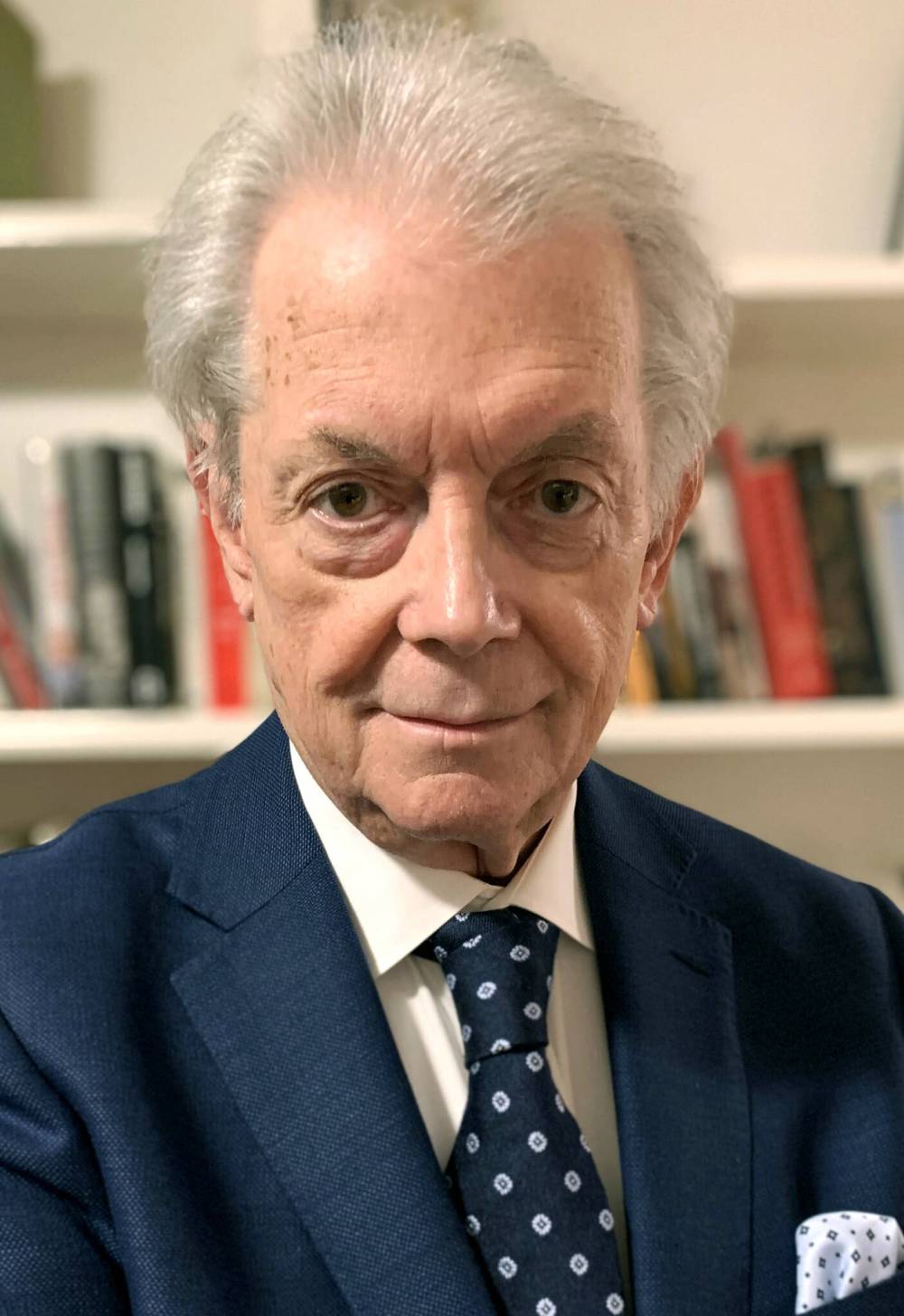
Katie Stewart photo
                                In his career Stewart, now 83, chronicled pivotal global events including the fall of the Berlin Wall and the famine in northern Ethiopia.

Katie Stewart photo

In his career Stewart, now 83, chronicled pivotal global events including the fall of the Berlin Wall and the famine in northern Ethiopia.

For him, that translated into “loss of clear speech, scrambled thoughts, inability to control limbs, and spreading numbness.”

It’s also made him an advocate for proper prep and instruction for foreign correspondents. Too often, green as grass and without a whit of training, they’re tossed into horrendous, life-threatening scenarios in unfamiliar lands and cultures.

The CBC did nada to prepare its news teams for war coverage, according to Stewart. As a young reporter he was repeatedly plunked smack dab in the midst of military conflicts, with nary a briefing about war zone survival or medicine (not even first aid training) and without so much as a helmet or armoured vest.

In an interlude about conspiracy theory nuttiness, he harkens back to the 1960s, when he started his career in journalism, with an oblique yet pointed reference to the current Trumpian era of lies, deceit and dishonesty.

“It was a time before politicians might insist there were two realities: a mainstream media one and another, virtual reality, where truth reigned,” he writes. “We could even be confident that a political or media figure who was caught in an outright lie would be punished with swift dismissal and not rewarded for repeating the fiction.”

Peripheral to the main thrust of Stewart’s memoir, but thoroughly astonishing, is his friendship with Conrad Black.
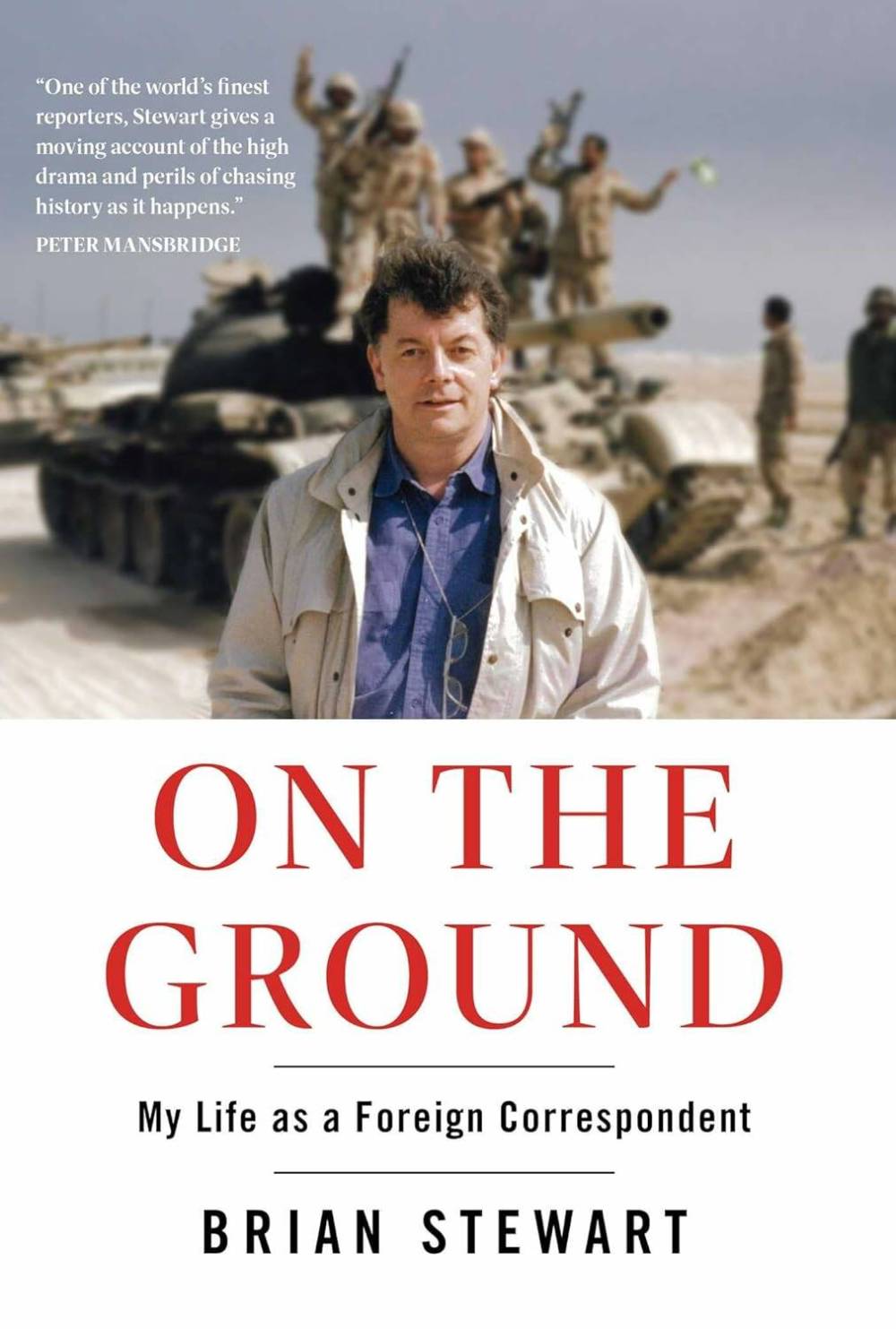
On the Ground

On the Ground

They go back a long ways.

They first crossed paths at Upper Canada College, from which Black was expelled for masterminding an exam-cheating enterprise, and from which school Stewart fled after one disenchanting year.

Both ended up at Toronto’s Thornton Hall, where they became close high school friends.

Over the years, the two travelled together — including to the 1964 U.S. Democratic national convention in Atlantic City, N.J. — Stewart attended Black’s wedding to Canadian journalist Barbara Amiel, turned down an offer to edit Black’s newly purchased Canadian magazine Saturday Night and dined with him in the ornate British House of Lords dining room after Black received a British life peerage and became Lord Black of Crossharbour.

Stewart also visited Black in a U.S. federal prison in Florida following his 2007 conviction of and imprisonment for corporate-finance crimes. They remain friends today.

Despite his comprehensive accounts of people, places and events, Stewart’s writing is nimble and fast-moving.
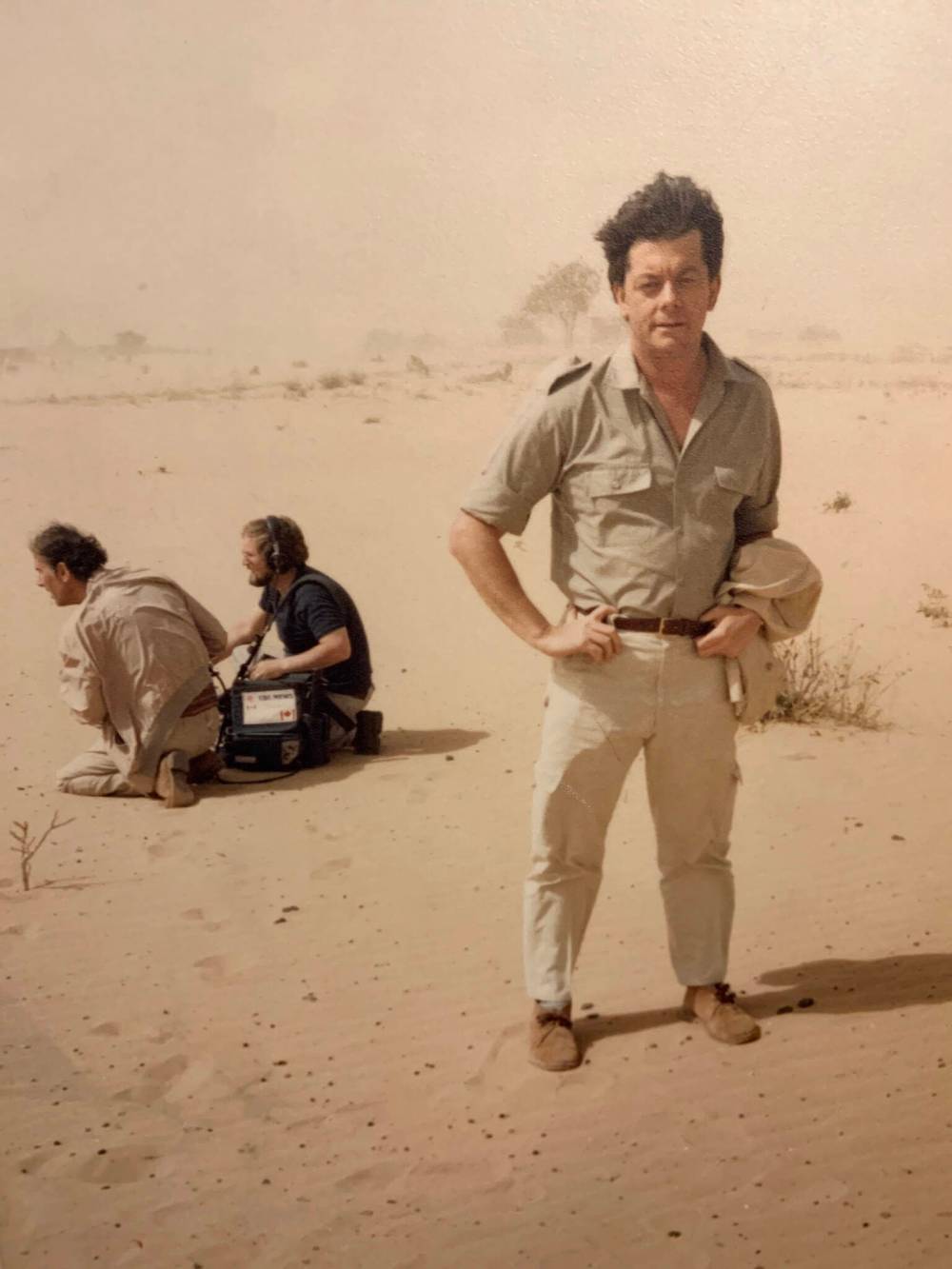
SUPPLIED PHOTO
                                In this 1985 photo taken in Sudan, Stewart and his TV crew wait to be evacuated from an approaching sandstorm.

SUPPLIED PHOTO

In this 1985 photo taken in Sudan, Stewart and his TV crew wait to be evacuated from an approaching sandstorm.

And it’s nicely aided and abetted by explorations that takes this memoir beyond the bounds of standard retiree-journalist recounting of global events.

Douglas J. Johnston is a Winnipeg lawyer and writer.

Report Error Submit a Tip

More Stories

HSC weapons scanners effective, needed at other hospitals: nurses union

Carol Sanders 5 minute read Preview

HSC weapons scanners effective, needed at other hospitals: nurses union

Carol Sanders 5 minute read Yesterday at 9:57 AM CDT

The AI weapons scanners at Health Sciences Centre have detected close to 2,000 items since they were installed at Manitoba’s largest hospital.

From March 6, 2025 to the beginning of this month, a total of 1,973 items had been flagged by the scanners and identified for further review, Shared Health said this week.

Knives, Swiss army knives and other multi-tools, drugs, alcohol, box cutters, syringes and other injection devices were detected, it said. The technology set up at entrances to the adult and children’s emergency rooms and the crisis response centre is designed to identify a wide range of objects that may require review under site safety protocols.

But Manitoba Nurses Union president Darlene Jackson said the technology isn’t available everywhere at HSC, and a sawed-off rifle was discovered in the adult ER earlier this month.

Read
Yesterday at 9:57 AM CDT

Proposed Transcona development — which could add 20,000 people — gets thumbs down from residents

Joyanne Pursaga 5 minute read Preview

Proposed Transcona development — which could add 20,000 people — gets thumbs down from residents

Joyanne Pursaga 5 minute read Friday, Aug. 14, 2026

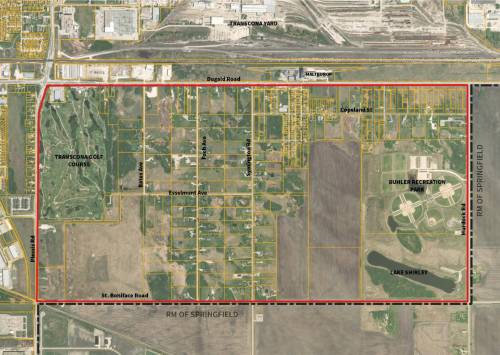
Dozens of Winnipeggers fear plans to make way for up to 20,000 more people to live in south Transcona would dramatically alter their neighbourhood and tie hefty fees for new services to their property titles.

If city council adopts the proposed South Transcona secondary plan, all future development applications would need to conform to its goals. The affected area is located south of Dugald Road, north of St. Boniface Road, east of Plessis Road and west of Murdock Road.

Homeowner Virginia Page Jähne fears the plan could add a massive tab to the title of her 4.3-acre property to cover services required for the development.

“My main concern is that they are wanting to put $1.4 million onto my title to pay for this. Now, they say that I will not have to pay it unless I subdivide. But if a person comes by and wants to buy from me … and they see that $1.4 million … what’s the first thing (they’re) going to do?” said Page Jähne, in an interview.

Read
Friday, Aug. 14, 2026

Firefighter’s death fuels cancer fight

Zoe Pierce 5 minute read Preview

Firefighter’s death fuels cancer fight

Zoe Pierce 5 minute read Yesterday at 2:01 AM CDT

The United Fire Fighters of Winnipeg is mourning the loss of Winnipeg firefighter Darrel Maynard while continuing its work to raise awareness of occupational cancer and improve health protections for firefighters.

Maynard, a senior firefighter II and acting lieutenant with the Winnipeg Fire Paramedic Service, died Aug. 5 at age 41 after a three-year battle with occupational cancer.

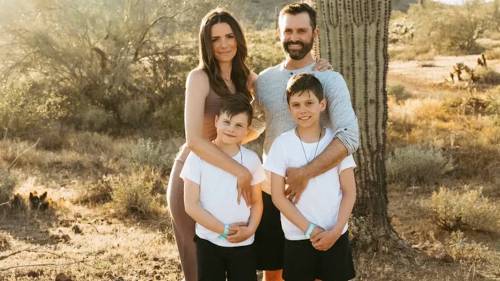
He served Winnipeg for nearly two decades and leaves behind his wife Francine and sons Colin and Christian.

“Darrel was an incredible, incredible person, an incredible firefighter, and really, really special to all of us,” said Nick Kasper, president of UFFW.

Read
Yesterday at 2:01 AM CDT

RCMP searching for missing 34-year-old woman

1 minute read Yesterday at 6:29 PM CDT

Police are asking for the public’s help locating a 34-year-old woman last heard from almost a week ago.

Tamara Stevens, who also goes by Tammy, was last heard from on Sunday last weekend and was reported missing Tuesday morning, said a Thompson RCMP news release Saturday.

RCMP and family are worried for her well-being.

Stevens is believed to be in Thompson and is described as 5'7, with a slender build and long red hair, said RCMP. She also has a piercing on her lip and was last seen wearing black T-Shirt featuring the Twilight character Jacob, pants and work boots.

West Kildonan Industrial residents call for speed bumps after child hit by truck

Morgan Modjeski 3 minute read Preview

West Kildonan Industrial residents call for speed bumps after child hit by truck

Morgan Modjeski 3 minute read Updated: Yesterday at 3:09 PM CDT

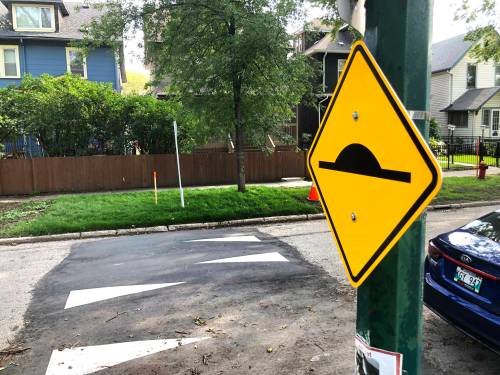
Residents in the West Kildonan Industrial neighbourhood are calling on the city to install speed bumps in their area after a child was hit and dragged by a vehicle Thursday.

Katelyn Bemister lives near the area where the child — who was hospitalized as a result of the incident and has been upgraded to stable condition — was struck. She says people frequently speed in the area.

“They’re going really fast, and they’re not really paying attention at all to the pedestrians in the area,” says Bemister.

In video supplied to the Free Press by a resident, the child can be seen riding a bike down a sidewalk along the 500 block of North Point Boulevard.

Read
Updated: Yesterday at 3:09 PM CDT

Could renewed interest in strategically critical rare earth elements finally make sub-sector profitable?

Joel Schlesinger 6 minute read Preview

Could renewed interest in strategically critical rare earth elements finally make sub-sector profitable?

Joel Schlesinger 6 minute read Yesterday at 3:00 AM CDT

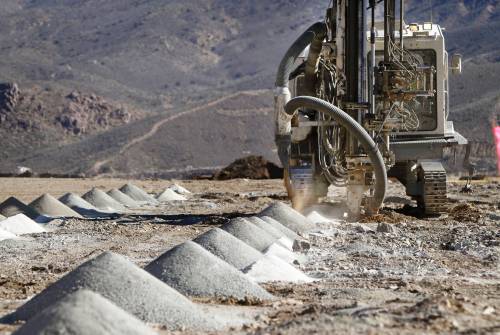
Rare earth elements are among the most critical of mined resources for modern economies.

They’re essential in manufacturing specialized magnets used in a host of technologies from wind turbines and electric vehicles to hard drives, smartphones, television screens, and fibre optics. Most notably, however, rare earth minerals are increasingly vital to the defence industry.

These 17 elements — closely related chemically and usually found all together in mineral deposits — have indeed been growing in geopolitical importance as the United States, Canada and other Western nations recognize their dependence on production from China.

It is the world’s largest producer and processor of rare earths, including the most in-demand elements neodymium and praseodymium used to manufacture very light and powerful magnets for an array of technologies, including the most advanced weapons of modern warfare.

Read
Yesterday at 3:00 AM CDT