

Manitobans will continue to spring forward, fall back
Premier dismisses idea of daylight time becoming permanent


Advertisement
Read this article for free:
or
Already have an account? Log in here »
To continue reading, please subscribe:

Digital Subscription
One year of digital access for only $205*
- Enjoy unlimited reading on winnipegfreepress.com
- Read the E-Edition, our digital replica newspaper
- Access News Break, our award-winning app
- Play interactive puzzles
*First annual payment billed as $205.00 + GST for one year. This annual subscription will automatically renew at $233.00 + GST every 52 weeks (10% off the regular annual price of $259.35). Offer available to new and qualified returning subscribers only. Cancel any time.
To continue reading, please subscribe:
Add Free Press access to your Brandon Sun subscription for only an additional
$1 for the first 4 weeks*
- Enjoy unlimited reading on winnipegfreepress.com
- Read the E-Edition, our digital replica newspaper
- Access News Break, our award-winning app
- Play interactive puzzles
*Your next Brandon Sun subscription payment will increase by $1.00 and you will be charged $17.95 plus GST for four weeks. After four weeks, your payment will increase to $24.95 plus GST every four weeks.
Read unlimited articles for free today:
or
Already have an account? Log in here »
Premier Wab Kinew has rejected the idea Manitoba would make daylight time permanent.
British Columbia has announced it will adopt year-round daylight time. The one-hour time change this Sunday — a shift forward — will be the last for most people in that province.
“Not right now,” Kinew said after being asked whether Manitoba would follow suit.
MIKAELA MACKENZIE / FREE PRESS FILES Manitoba Premier Wab Kinew rejected the idea Manitoba would make daylight time permanent after British Columbia has announced it will adopt year-round daylight time.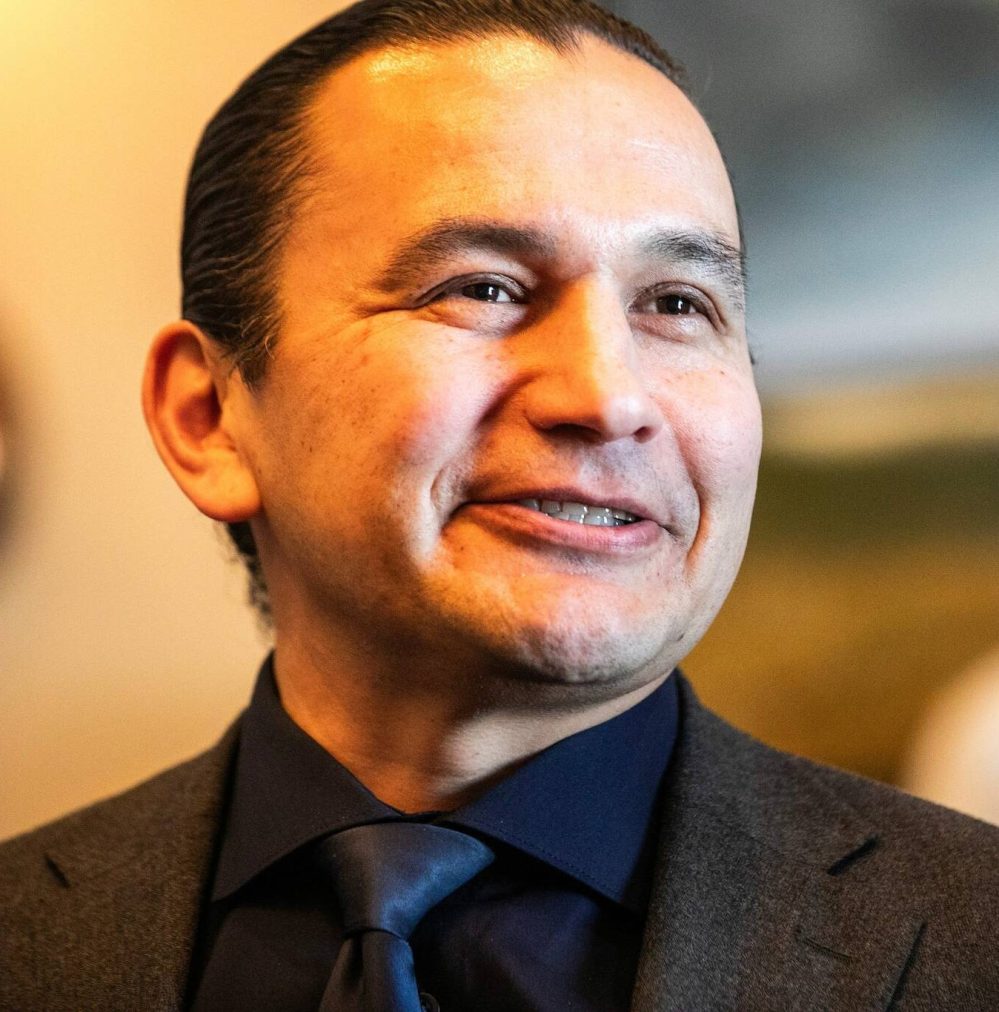
“Everybody’s got an opinion on it, but we only have so many hours in a day, and we’re going to spend those hours on health care and lowering your cost of living.”
Kinew made the comment one day ahead of the resumption of the legislative session, which includes delivery of the 2026-27 budget on March 24.
The status quo on the issue is generally good for Manitoba farmers, said Jill Verwey, president of the Keystone Agricultural Producers.
“Due to the nature of the business, in the summer months, you want as much sunlight… to get work done,” said Verwey, a dairy and grain farmer.
She’s heard from producers who don’t want the time change axed. For others, consistency of time “is more of an issue.”
This year, clocks will spring ahead at 2 a.m. Sunday, and fall back Sunday, Nov. 1, at 2 a.m.
“Everybody’s got an opinion on it, but we only have so many hours in a day.”
Gaining an hour of sunlight as spring and summer approach is good for customer-facing businesses such as retail, said Loren Remillard, president of the Winnipeg Chamber of Commerce.
“Longer evenings typically can lead to increased foot traffic,” he said. “In the winter, as soon as it gets dark, people tend to shutter themselves inside their homes.”
Still, studies show the time shift affects productivity and workplace health and safety. A 2018 University of Toronto study found that an average one-day stock market loss in the United States, due to the time change, amounted to at least US$30 billion.
Remillard said he hears complaints about the time change each spring, right around when Manitobans lose an hour of sleep.
Darryl Dyck / THE CANADIAN PRESS FILES Some Manitoba farmers say the time change is a good thing and don’t want it axed, while others feel consistency of time “is more of an issue.”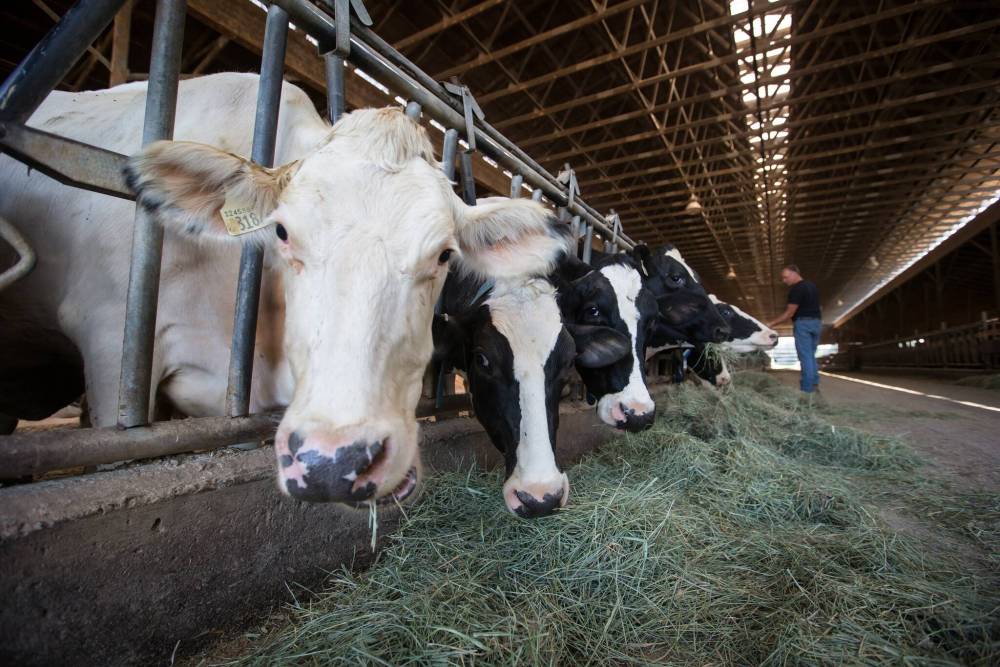
Ideally, the entire continent would move away from the practice together, avoiding spotty daylight time usage, Remillard said. Failing that, he’d like to see Canadian jurisdictions collectively make the shift.
“This patchwork of daylight saving time rules can be a nightmare for (national and international companies’) scheduling, payroll, IT systems,” Remillard said.
British Columbia’s move has sparked discussion across the country. It’s not the first conversation in Manitoba: in 2019, while in opposition, the New Democrats launched public consultations on the time change. On Tuesday, the premier wouldn’t say what became of the consultations.
In 2022, under the Tories, the provincial government considered moving to year-round daylight time. A bill before the legislature was tied to the United States changing its daylight time use, and Manitobans would’ve needed to support the idea. The U.S. bill has repeatedly stalled, including last October in the Senate.
MIKAELA MACKENZIE / FREE PRESS FILES Tory MLA Ron Schuler’s private member’s bill to move Manitoba to permanent daylight time last year failed.
Last year, Tory MLA Ron Schuler introduced a private member’s bill to move Manitoba to permanent daylight time, effective March 8. His bill failed.
Manitoba would do well to follow British Columbia and nix time changes, said Dr. Lorrie Kirshenbaum, director of the Institute of Cardiovascular Sciences at St. Boniface Hospital.
When it was first implemented — as a First World War measure — people didn’t understand the “biological clock” as much as in the present day, Kirshenbaum said.
“We have internal body clocks, and the clock that we have in our brains is responsive to light,” he said. “That one-hour shift basically messes up the body’s clock.”
It affects cues for sleeping and eating, among other things. The time change — especially when an hour of sleep is lost — might take as long as three weeks to recover from, Kirshenbaum said.
Depression and instances of heart attacks and cardiovascular disease, for people with pre-existing conditions, follow the clock change, Kirshenbaum noted.
Several pedestrians in Osborne Village told the Free Press Tuesday they view daylight time as a nuisance.

“You have to change the time, and then you’re (just) getting used to it,” said Katherine Monaco. “It’s nice that B.C. got rid of theirs. I wouldn’t be opposed to us getting rid of ours.”
British Columbia’s decision will affect regions in the province that use Pacific time. Part of the eastern area uses mountain time and will continue to change its clocks twice a year.
Saskatchewan, Yukon and parts of Nunavut don’t change their clocks.
carol.sanders@winnipegfreepress.com
gabrielle.piche@winnipegfreepress.com
Carol Sanders
Legislature reporter
In 1997, Carol started at the Free Press working nights as a copy editor. In 2000, she jumped at a chance to return to reporting. In early 2020 — before a global pandemic was declared — she agreed to pitch in, temporarily, at the Free Press legislature bureau. She’s been there ever since.
Gabby is a big fan of people, writing and learning. She joined the Free Press business beat in 2021.
Our newsroom depends on a growing audience of readers to power our journalism. If you are not a paid reader, please consider becoming a subscriber.
Our newsroom depends on its audience of readers to power our journalism. Thank you for your support.
Carol Sanders
Legislature reporter
In 1997, Carol started at the Free Press working nights as a copy editor. In 2000, she jumped at a chance to return to reporting. In early 2020 — before a global pandemic was declared — she agreed to pitch in, temporarily, at the Free Press legislature bureau. She’s been there ever since.
Gabby is a big fan of people, writing and learning. She joined the Free Press business beat in 2021.
Our newsroom depends on a growing audience of readers to power our journalism. If you are not a paid reader, please consider becoming a subscriber.
Our newsroom depends on its audience of readers to power our journalism. Thank you for your support.
Related Articles
B.C.'s move to end clock changes won't be without complications








Advertisement Advertise With Us
Advertisement Advertise With Us
History
Updated on Wednesday, March 4, 2026 5:28 PM CST: Daylight saving time was implemented during the First World War.