

‘Payoff day’: Jenni Gibbons on watching Artemis II crew make lunar history
Advertisement
Read this article for free:
or
Already have an account? Log in here »
To continue reading, please subscribe:

Digital Subscription
One year of digital access for only $205*
- Enjoy unlimited reading on winnipegfreepress.com
- Read the E-Edition, our digital replica newspaper
- Access News Break, our award-winning app
- Play interactive puzzles
*First annual payment billed as $205.00 + GST for one year. This annual subscription will automatically renew at $233.00 + GST every 52 weeks (10% off the regular annual price of $259.35). Offer available to new and qualified returning subscribers only. Cancel any time.
To continue reading, please subscribe:
Add Free Press access to your Brandon Sun subscription for only an additional
$1 for the first 4 weeks*
- Enjoy unlimited reading on winnipegfreepress.com
- Read the E-Edition, our digital replica newspaper
- Access News Break, our award-winning app
- Play interactive puzzles
*Your next Brandon Sun subscription payment will increase by $1.00 and you will be charged $17.95 plus GST for four weeks. After four weeks, your payment will increase to $24.95 plus GST every four weeks.
Read unlimited articles for free today:
or
Already have an account? Log in here »
The Artemis II mission has at times left Jenni Gibbons feeling tense — and tired.
But the sometimes bated breath and fatigue aren’t hindering the Calgary-born astronaut from taking in the historic mission from deep inside a NASA control room in Houston.
“I’m truly so tired,” she told The Canadian Press late Monday. “But when I wake up, I think that there’s no place I would want to be other than Mission Control and following Jeremy and my other colleagues.”

On Monday, fellow Canadian Jeremy Hansen and his three American crewmates — Reid Wiseman, Victor Glover and Christina Koch — looped the moon in a six-hour lunar flyby, going farther into space than any humans before, breaking a distance record set by Apollo 13.
It’s a step toward landing boot prints near the moon’s south pole in just two years.
The mission is a highlight of NASA’s first return to the moon since the Apollo flights of the 1960s and ’70s, and Gibbons got a second-row seat after days, weeks, months and years of planning.
“Today was the payoff day,” she said. “It was an awesome experience.”
Gibbons was to fly in Hansen’s place in the event he couldn’t. Since last week’s launch on April 1, she has been a voice link from Earth to space — coaching Hansen and the other astronauts on key mission objectives.
She said inside Mission Control, moments felt particularly tense in the lead-up to — and immediately after — the Orion capsule’s loss of radio signal as it travelled behind the moon, entering an expected communications blackout.
“Obviously, you want all the systems to work perfectly and sometimes it just takes a little while,” Gibbons said. “So, we were lucky today.
“A couple moments of tension, but overall super positive.”
The four-person crew was tasked with capturing images and other geological observations of the moon. They were on their way home Tuesday, set to splash down in the Pacific Ocean off the coast of San Diego, Calif., on Friday.
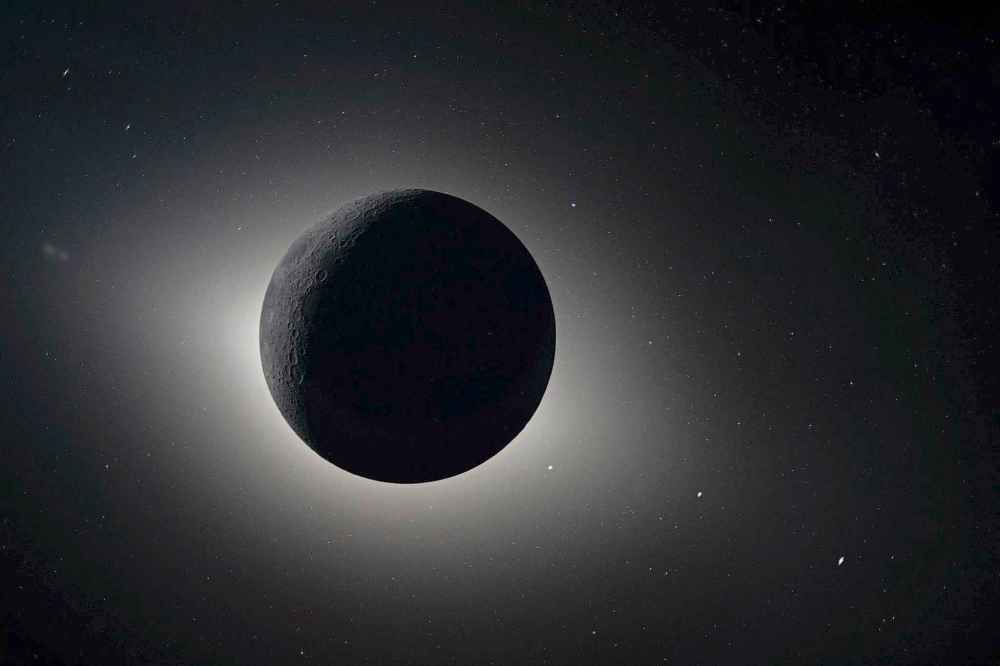
Gibbons said she’s eager to see images from the flyby and is particularly keen to see those of a total solar eclipse that the crew described as something out of “sci-fi.”
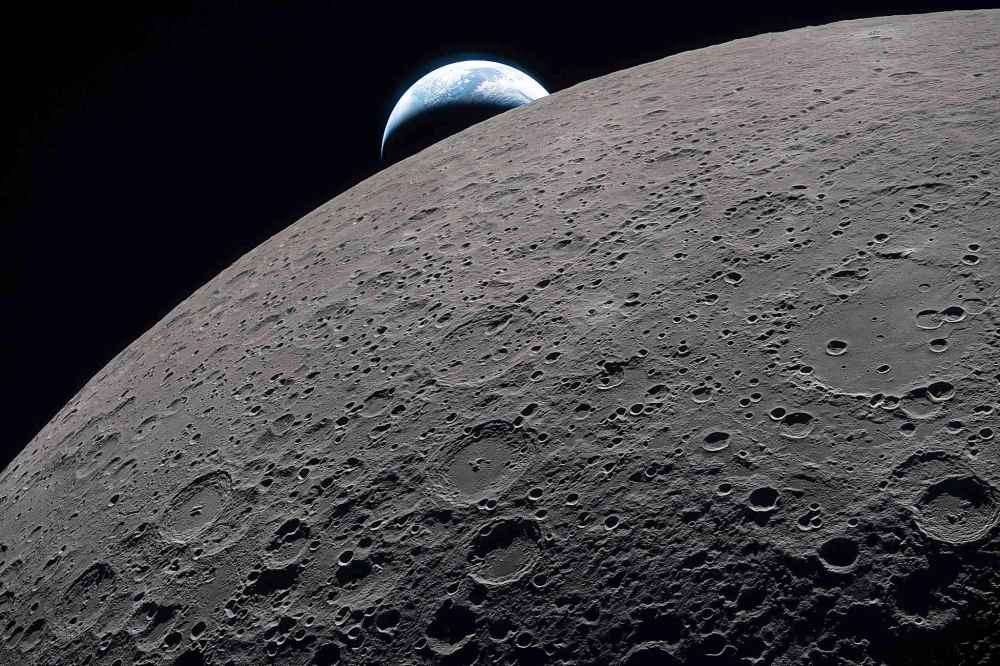
She is also curious to see a pair of fresh moon craters — one named “Integrity,” after the Orion spacecraft, and the other named for Wiseman’s late wife, Carroll. The commander wept as Hansen put in the request to Mission Control.
“(Reid)’s a really wonderful person who brings a lot of light, so hearing his family be honoured in that way was special,” Gibbons said.
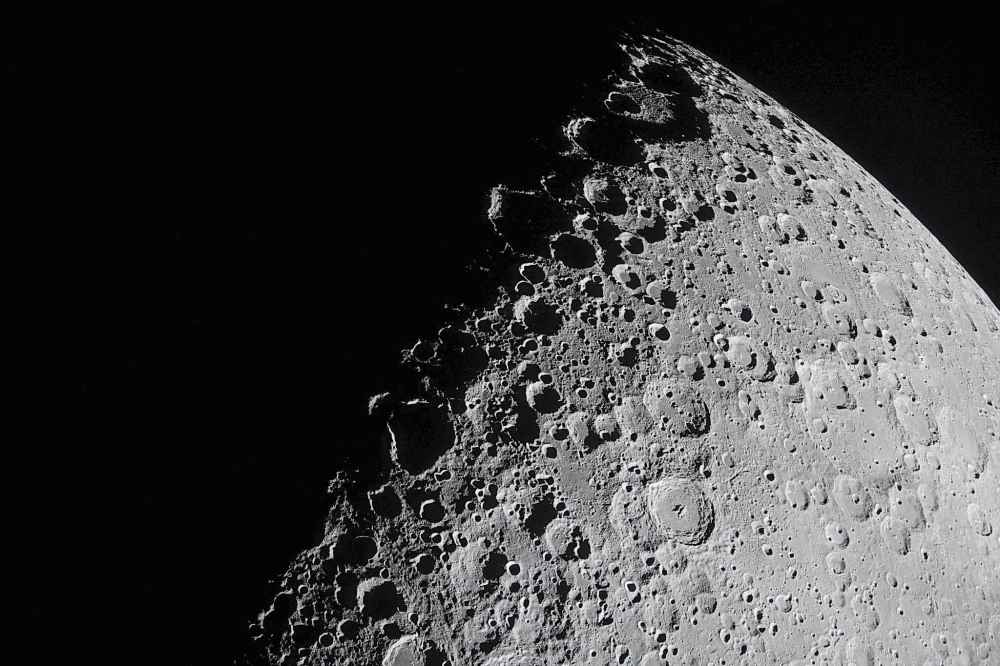
The Artemis mission is unique, she said. Those on board the capsule observed parts of the moon never before seen — something she noted remote robotic sensing just can’t match.
Findings from this mission will help shape the future of space exploration, she said.
Gibbons said she would love her own trip to space “when the time is right,” but for now she’s content to see Hansen through his.
“This has always felt like Jeremy’s mission to me and he’s a very dear friend,” she said.
“I adore him and his family and seeing him live his dream has just been such a highlight for me.”
This report by The Canadian Press was first published April 7, 2026.
Related Articles
In pictures: Artemis II crew captures eclipse, Earthrise, far side of moon during lunar flyby







Advertisement Advertise With Us
Advertisement Advertise With Us