

Police lawyer questions testimony about racial stereotypes at inquest into teen’s fatal shooting

Advertisement
Read this article for free:
or
Already have an account? Log in here »
To continue reading, please subscribe:

Digital Subscription
One year of digital access for only $205*
- Enjoy unlimited reading on winnipegfreepress.com
- Read the E-Edition, our digital replica newspaper
- Access News Break, our award-winning app
- Play interactive puzzles
*First annual payment billed as $205.00 + GST for one year. This annual subscription will automatically renew at $233.00 + GST every 52 weeks (10% off the regular annual price of $259.35). Offer available to new and qualified returning subscribers only. Cancel any time.
To continue reading, please subscribe:
Add Free Press access to your Brandon Sun subscription for only an additional
$1 for the first 4 weeks*
- Enjoy unlimited reading on winnipegfreepress.com
- Read the E-Edition, our digital replica newspaper
- Access News Break, our award-winning app
- Play interactive puzzles
*Your next Brandon Sun subscription payment will increase by $1.00 and you will be charged $17.95 plus GST for four weeks. After four weeks, your payment will increase to $24.95 plus GST every four weeks.
Read unlimited articles for free today:
or
Already have an account? Log in here »
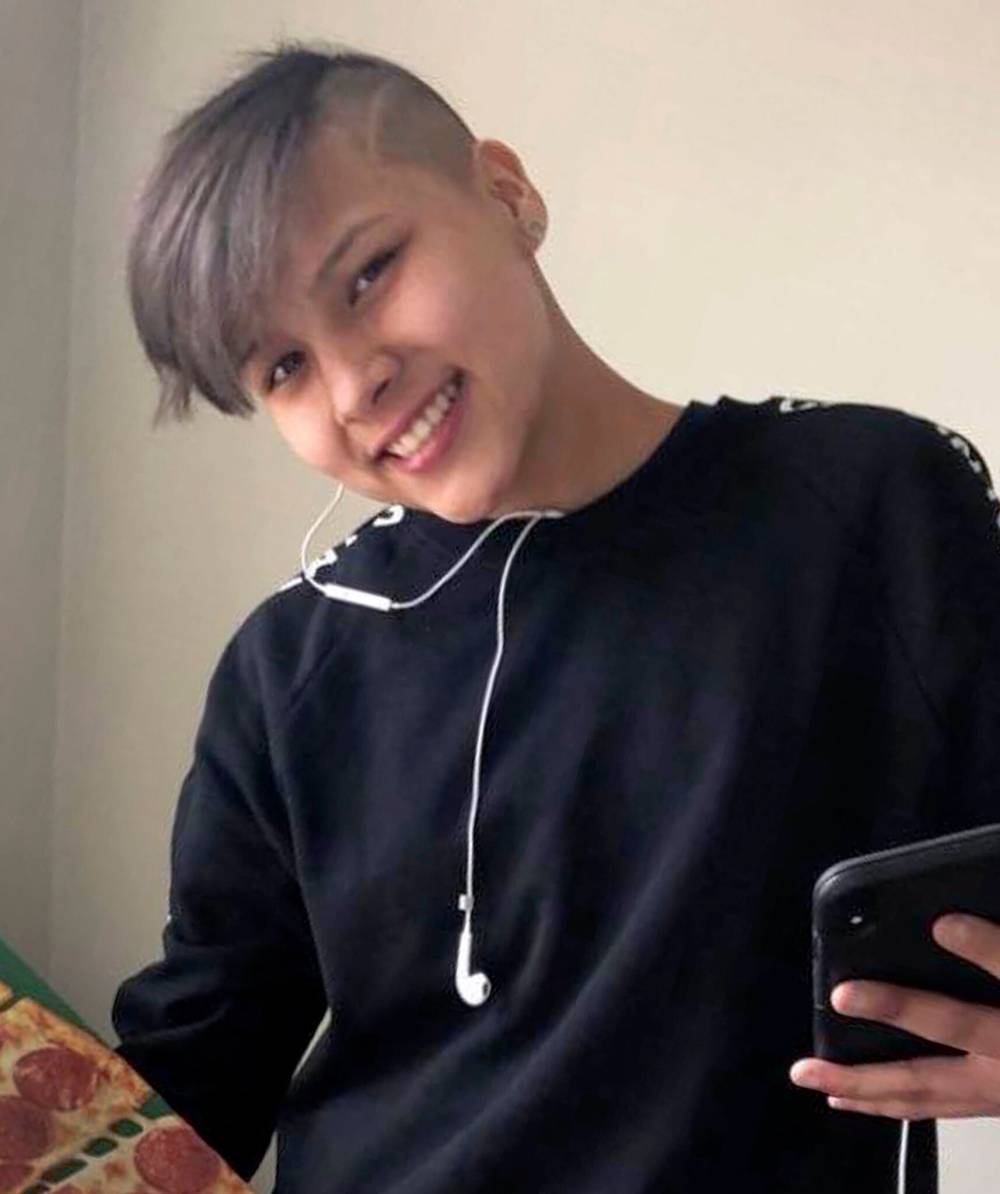
The lawyer for Winnipeg police took issue with the testimony of an expert witness who told an inquest that racial stereotypes could have contributed to the shooting death of teenager Eishia Hudson by an officer in April 2020.
Kimberly Carswell questioned criminologist Scot Wortley, who said Indigenous people in Winnipeg are much more likely to die during interactions with police than people from other demographics.
Wortley prepared a report for the court that referenced other instances of use-of-force fatalities involving the Winnipeg Police Service. He said the service has one of the highest rates of fatal use-of-force incidents in the country.
SUPPLIED
The inquest into the death Eishia Hudson continues.
Carswell told Wortley his approach was flawed.
“Every single one of the incidents that are listed in the part about police using deadly force — every one that we can analyze in this way — was a justified use of force,” Carswell said.
“You didn’t note that… it would be important to examine the incidents to determine how other factors would play out in assessing whether there should be a concern about deadly force rate, as you call it.”
The total number of police fatalities cited in Wortley’s report is unclear because it has not been released to the public, but court was told it includes at least 18 names of people killed during interactions with Winnipeg police.
Wortley has not said definitively that systemic racism is a component in the death of 16-year-old Hudson, but he has argued her case, and the others he cited, represent the need for further examination of the issue.
Hudson died in April 2020 after leading police on a high-speed pursuit following a liquor store robbery. She was behind the wheel of a stolen Jeep when she crashed on Lagimodiere Boulevard.
An officer fired two bullets at her when the Jeep began to reverse as police approached on foot, shouting demands that she and the other occupants get out of the vehicle.
The inquest must determine whether the shooting was justified and whether systemic racism played a role in her death.
Carswell spent more than an hour questioning Wortley about each case referenced in the report, noting that all of them had been subject to provincial inquests in which a judge ruled officer’s actions were justified.
In each case, Carswell said, police were responding to incidents in progress and encountered suspects who were acting in violent or dangerous ways that placed officers and others at risk.
Several cases involved people who were intoxicated, were gripped in a mental health episode or who had refused to comply with police commands. Other common factors included highly stressful and rapidly unfolding situations that left officers with no option but to react with deadly force, she said.
“I’m not saying that many of these cases were not justified. Based on the reviews that you provided, it definitely seems that a lot were,” Wortley told Carswell.
“But we also need to look at the other side of the equation. Some of the questions that emerged in the community was, ‘Is there alternatives?’ In some of the cases, for instance, could de-escalation have taken place?”
Wednesday was the second consecutive day in which Wortley testified. On Tuesday, he recommended the police service mandate the collection of race-based data.
Releasing the data publicly would bolster transparency by allowing the findings to be scrutinized and trends to be identified, he said. It would also improve accountability within the police force.
Judge Margaret Wiebe, who cannot assign blame, is expected to issue a final report that could include recommendations on how to prevent similar tragedies.

She asked Wortley for his opinion on how to build public trust in police.
He said police oversight agencies, such as the Independent Investigation Unit of Manitoba, often draw criticism because many of their investigators are former police officers.
“There is a feeling of distrust, I think, when it is perceived that the police are policing themselves,” he said. “I think that if you can balance civilian investigators with police investigators, you get more trust from the public.”
Wortley was the latest expert witness to testify at the inquest, which included weeks of testimony in February and March before taking a break. Peter Rampat, another use-of-force expert, will appear this week. The inquest will take time off before resuming June 16.
tyler.searle@freepress.mb.ca
Tyler Searle is a multimedia producer who writes for the Free Press’s city desk. A graduate of Red River College Polytechnic’s creative communications program, he wrote for the Stonewall Teulon Tribune, Selkirk Record and Express Weekly News before joining the paper in 2022. Read more about Tyler.
Every piece of reporting Tyler produces is reviewed by an editing team before it is posted online or published in print — part of the Free Press‘s tradition, since 1872, of producing reliable independent journalism. Read more about Free Press’s history and mandate, and learn how our newsroom operates.
Our newsroom depends on a growing audience of readers to power our journalism. If you are not a paid reader, please consider becoming a subscriber.
Our newsroom depends on its audience of readers to power our journalism. Thank you for your support.
Tyler Searle is a multimedia producer who writes for the Free Press’s city desk. A graduate of Red River College Polytechnic’s creative communications program, he wrote for the Stonewall Teulon Tribune, Selkirk Record and Express Weekly News before joining the paper in 2022. Read more about Tyler.
Every piece of reporting Tyler produces is reviewed by an editing team before it is posted online or published in print — part of the Free Press‘s tradition, since 1872, of producing reliable independent journalism. Read more about Free Press’s history and mandate, and learn how our newsroom operates.
Our newsroom depends on a growing audience of readers to power our journalism. If you are not a paid reader, please consider becoming a subscriber.
Our newsroom depends on its audience of readers to power our journalism. Thank you for your support.
Related Articles
Criminologist urges police to collect race-based data at inquest into fatal shooting of Indigenous teen





Advertisement Advertise With Us
Advertisement Advertise With Us