

Saying ‘no’ to AI data centre a huge win for Manitoba — and Kinew

Advertisement
Read this article for free:
or
Already have an account? Log in here »
To continue reading, please subscribe:

Digital Subscription
One year of digital access for only $205*
- Enjoy unlimited reading on winnipegfreepress.com
- Read the E-Edition, our digital replica newspaper
- Access News Break, our award-winning app
- Play interactive puzzles
*First annual payment billed as $205.00 + GST for one year. This annual subscription will automatically renew at $233.00 + GST every 52 weeks (10% off the regular annual price of $259.35). Offer available to new and qualified returning subscribers only. Cancel any time.
To continue reading, please subscribe:
Add Free Press access to your Brandon Sun subscription for only an additional
$1 for the first 4 weeks*
- Enjoy unlimited reading on winnipegfreepress.com
- Read the E-Edition, our digital replica newspaper
- Access News Break, our award-winning app
- Play interactive puzzles
*Your next Brandon Sun subscription payment will increase by $1.00 and you will be charged $17.95 plus GST for four weeks. After four weeks, your payment will increase to $24.95 plus GST every four weeks.
Read unlimited articles for free today:
or
Already have an account? Log in here »
It’s a tale of two provinces — and two artificial intelligence data centre mega-projects.
Reporters at Canada’s National Observer broke the story in April that the Alberta government had quietly exempted a 700-acre AI data centre mega-project, led by celebrity investor Kevin O’Leary, from provincial environmental assessments.
By most accounts, the Wonder Valley project 40 kilometres south of Grande Prairie, is a looming environmental disaster.
AI data centres require vast amounts of water to prevent overheating.
Nathan Denette / THE CANADIAN PRESS FILES The Alberta government has quietly exempted a 700-acre AI data centre mega-project, led by celebrity investor Kevin O’Leary, from provincial environmental assessments.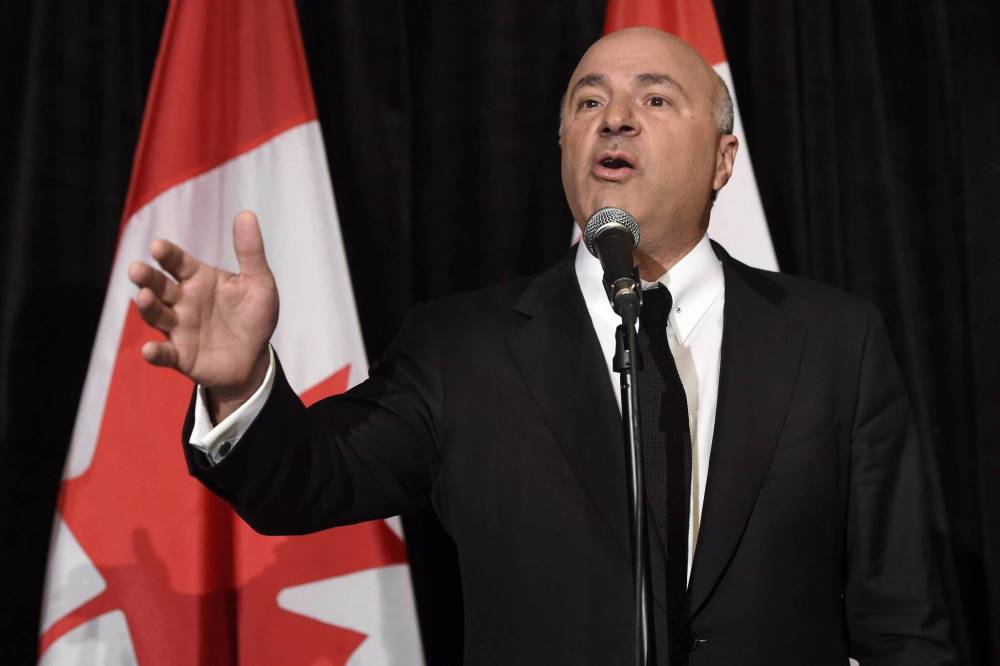
The project intends to get water from the region’s primary water sources, the Smoky River and Little Smoky River, which have had droughts and ecological impacts due to clear-cut logging and have been classified by scientists as “overdrawn watersheds.”
While O’Leary states the facility will consume around six million cubic metres of water a year, critics have put the figure at 24 million cubic metres.
In fact, in the land sale documents negotiated by O’Leary’s company, the investor is demanding that it be given a guarantee 24 million cubic metres of water will be available for use at Wonder Valley.
There is also the matter of how much electricity AI data centres require.
The Alberta project will require 7.5 gigawatts of power, mostly from the burning of natural gas.
The immense cost and amount of carbon emissions from burning that amount of fuel would make the project one of Canada’s most expensive and polluting projects.

The staggering volume of water and the use of fossil fuels have raised alarms among environmental groups and local residents as well as First Nations.
Sturgeon Lake Cree Nation, which will be affected the most by the Wonder Valley project, say they haven’t been consulted.
Cree leaders have appealed the decision for an environmental exemption of the project to the Alberta Environmental Appeals Board — and had their case thrown out.
Don’t forget that provinces cannot sell Crown land without consulting First Nations and — at the legal minimum — attain free, prior and informed consent for projects involving traditional territory that affect cultural ways.
Now, leaders at Sturgeon Lake Cree Nation are calling for a federal review. Next up, I assure you, is a Supreme Court case over treaty and Indigenous rights.
DANIELLE SMITH / X Alberta Premier Danielle Smith with U.S. president Donald Trump and Kevin O’Leary at Mar-a-Lago in 2025.
The entire project has been fraught with suspicion of political favouritism.
Alberta Premier Danielle Smith is a well-known friend of O’Leary, having famously accompanied him on a January 2025 trip to meet U.S. President Donald Trump at his Florida resort, and O’Leary is a conservative pundit and populist cut from the same cloth as Smith, not to mention a former federal Conservative leadership candidate.
There is also the little matter of the $70 billion O’Leary has promised to spend to buy the land, build and operate Wonder Valley – an investment that would politically benefit Smith and provide much-needed ammunition against critics pointing to her mishandling of health care and separatist movements.
Shall I go on? Wonder Valley, it appears, is a mess.
Closer to home, Premier Wab Kinew appears to have sidestepped a similar disaster by rejecting a proposal by Las Vegas-based Jet.AI and Vancouver-based Consensus Core for a huge data centre north of Ile des Chênes.
“We’ve taken a look at this project,” Kinew told CBC this week. “We’ve taken a look at AI more broadly, what’s happening across North America, and these hyper-scale data centres don’t appear to be in the best interests of Manitobans.”
Kinew says the economic benefits would be small and outweighed by the environmental and social impacts of the project.
John Woods / THE CANADIAN PRESS FILES Manitoba Premier Wab Kinew rejected a proposal for a huge data centre north of Ile des Chênes.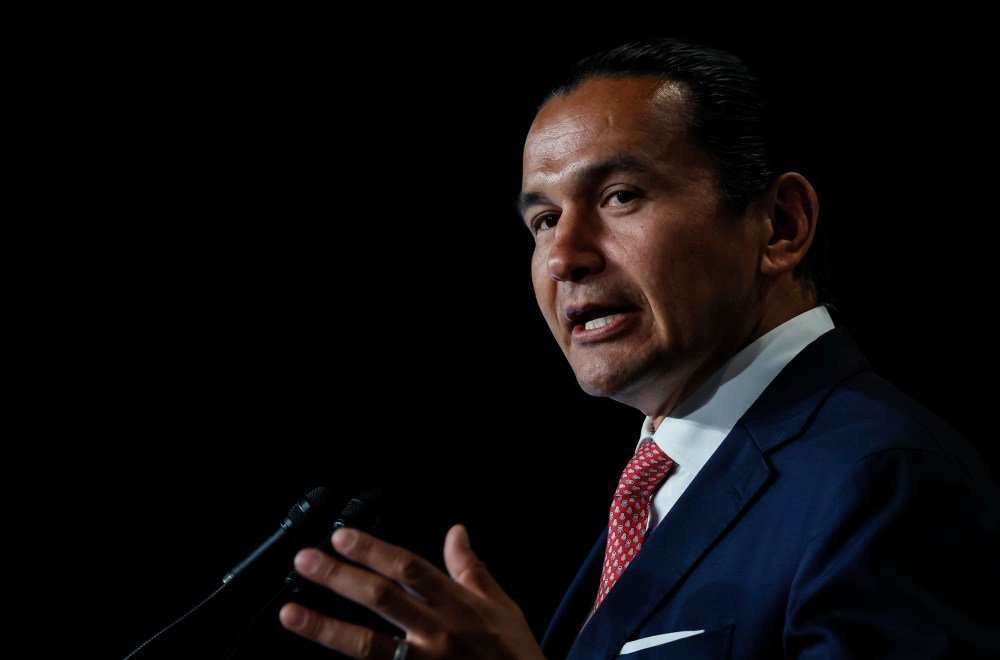
An online petition against the project has nearly 14,000 signatures, while the non-profit organization Climate Action Team Manitoba has issued a statement stating the project “would threaten Manitoba’s clean energy future.”
This is not to say that massive AI data centres will go away. In fact, they are exponentially increasing.
Canada has hundreds of AI production and data storage centres, including 10 in Manitoba.
At the moment, though, only five are what can be called “hyper-scale” mega-projects. A whopping 96 additional projects, which will require millions of cubic metres of water, thousands of gigawatts of electricity, and will produce tonnes of carbon emissions, are either in the proposal stage or under construction.
Around 90 per cent of those are — wait for it — in Alberta.
The problem is that to get these projects done, it seems, one must sidestep environmental regulations, commit billions of dollars in energy infrastructure and environmental cleanup, and ignore Indigenous and treaty rights.
On this one, Kinew is probably right, that the costs associated with AI data mega-centres are too high and the profits are too low.
niigaan.sinclair@freepress.mb.ca
Niigaan Sinclair is Anishinaabe from Peguis First Nation and a professor in the Department of Indigenous Studies at the University of Manitoba. He’s been a columnist for the Free Press since 2018. Read more about Niigaan.
Every piece of writing Niigaan produces is reviewed by an editing team before it is posted online or published in print — part of the Free Press‘s tradition, since 1872, of producing reliable independent journalism. Read more about Free Press’s history and mandate, and learn how our newsroom operates.
Our newsroom depends on a growing audience of readers to power our journalism. If you are not a paid reader, please consider becoming a subscriber.
Our newsroom depends on its audience of readers to power our journalism. Thank you for your support.
Niigaan Sinclair is Anishinaabe from Peguis First Nation and a professor in the Department of Indigenous Studies at the University of Manitoba. He’s been a columnist for the Free Press since 2018. Read more about Niigaan.
Every piece of writing Niigaan produces is reviewed by an editing team before it is posted online or published in print — part of the Free Press‘s tradition, since 1872, of producing reliable independent journalism. Read more about Free Press’s history and mandate, and learn how our newsroom operates.
Our newsroom depends on a growing audience of readers to power our journalism. If you are not a paid reader, please consider becoming a subscriber.
Our newsroom depends on its audience of readers to power our journalism. Thank you for your support.
Related Articles
AI data centres and public benefit Teen urges premier to reject data centre, ‘put people and the environment first’
Advertisement Advertise With Us
Advertisement Advertise With Us