Transit system overhaul, immigration policy reducing Winnipeg bus ridership Revenue drop projected to be significantly worse than predicted in 2026 budget
Read this article for free:
or
Already have an account? Log in here »
To continue reading, please subscribe:

Digital Subscription
One year of digital access for only $205*
- Enjoy unlimited reading on winnipegfreepress.com
- Read the E-Edition, our digital replica newspaper
- Access News Break, our award-winning app
- Play interactive puzzles
*First annual payment billed as $205.00 + GST for one year. This annual subscription will automatically renew at $233.00 + GST every 52 weeks (10% off the regular annual price of $259.35). Offer available to new and qualified returning subscribers only. Cancel any time.
To continue reading, please subscribe:
Add Free Press access to your Brandon Sun subscription for only an additional
$1 for the first 4 weeks*
- Enjoy unlimited reading on winnipegfreepress.com
- Read the E-Edition, our digital replica newspaper
- Access News Break, our award-winning app
- Play interactive puzzles
*Your next Brandon Sun subscription payment will increase by $1.00 and you will be charged $17.95 plus GST for four weeks. After four weeks, your payment will increase to $24.95 plus GST every four weeks.
Read unlimited articles for free today:
or
Already have an account? Log in here »
Winnipeg Transit warns it may earn $18.4 million less from rider fares this year than its budget calls for.
When the city’s 2026 budget was released, Transit estimated it would earn $97 million in fare revenue throughout this year. However, it also listed an “outstanding risk” that fares could fall $11.1 million lower due to a drop in ridership.
A finance update, based on figures up to the end of March, notes that risk has since increased.
“As of the first quarter, Transit is forecasting a reduction in revenues of $18.4 million,” the report notes.
JOHN WOODS / FREE PRESS FILES Winnipeg Transit is warning it may earn $18.4 million less from rider fares this year than the 2026 budget called for.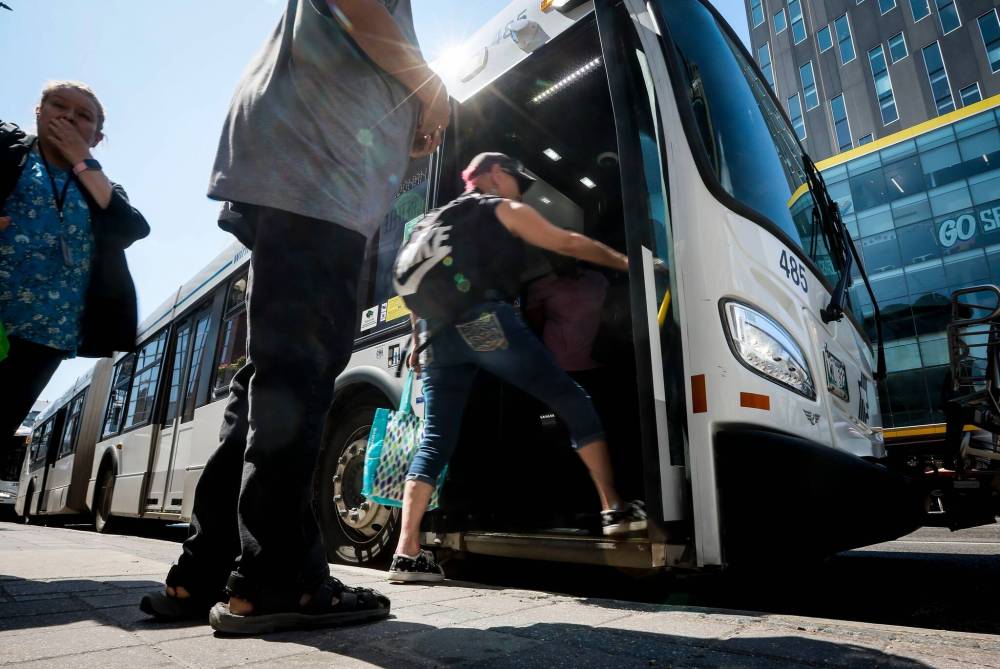
City council’s finance chairman said the system overhaul last June, which changed virtually every Winnipeg Transit route, appears to have led some Winnipeggers to switch to other forms of transportation.
“For some who were regular bus riders, the new system is not as ideal as the (old one.) For a lot of people that the new system is better for, (many) haven’t necessarily tried Transit yet,” said Coun. Jeff Browaty (North Kildonan).
Browaty said old technology doesn’t help, which is why he’s seeking newer payment options on buses.
“I’m trying to push that to be replaced as soon as possible. Most cities now, you are able to use an Interac card or a credit card to pay for your fares,” he said.
“As of the first quarter, Transit is forecasting a reduction in revenues of $18.4 million.”
A city press release notes people who board buses without paying, as well as fewer international students and foreign workers (who tend to be frequent riders), are also key factors in the reduced-fare forecast.
Winnipeg Transit did not grant an interview request Monday.
In an email, the service noted ridership actually began to decline in late 2024 following federal immigration policy changes.
“This resulted in a drop in international students and temporary foreign workers living in Winnipeg. We know these demographics rely heavily on public transit. Transit systems across Canada have since experienced a decline in ridership,” spokesman Brandon Logan wrote.
Winnipeg Transit buses had an estimated 164,482 average weekday boardings on fixed routes throughout winter 2025-26, down 11.1 per cent from 185,038 the previous winter.
In winter 2018-19, the average was 196,352.
The numbers are estimates based on automatic passenger counters in a portion of the overall fleet and don’t count on-request rides.
MIKAELA MACKENZIE / FREE PRESS FILES One city official says the Winnipeg Transit overhaul last June, which changed virtually every route, appears to have led some Winnipeggers to quit riding the bus and switch to other forms of transportation.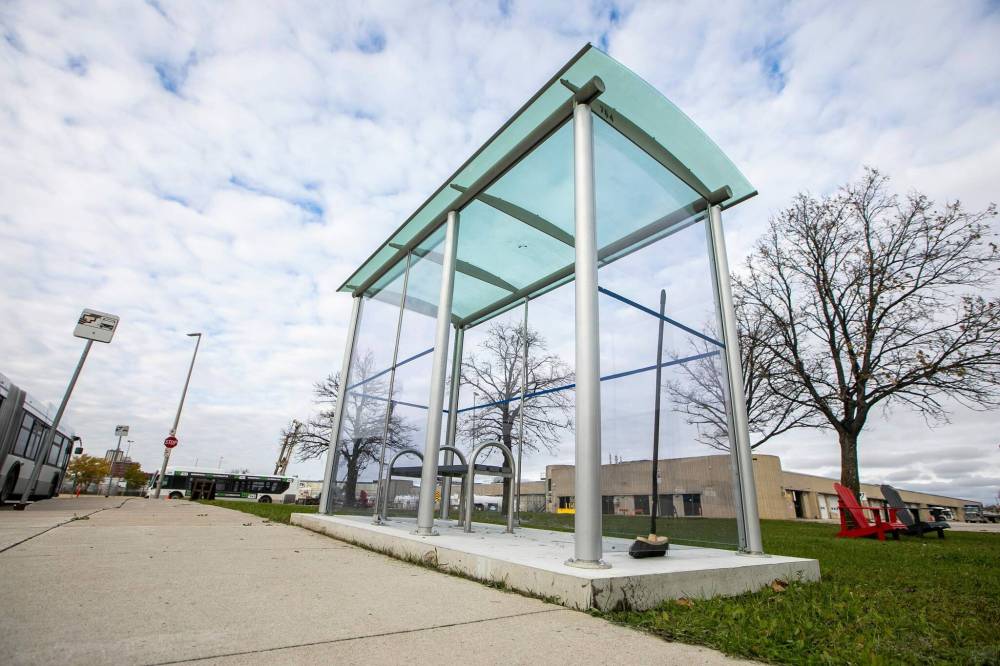
Logan noted Transit has also made several scheduling changes since its new network was added, based on customer feedback. That includes extending some night-time service and adding trips on some main routes as well as some smaller community routes.
Still, the union representing Winnipeg Transit drivers blamed the network overhaul as a key reason why some former riders stopped taking the bus.
“We’re noticing it at the fare box. There’s a lot more people that are not riding the bus,” said Derek Hanley, vice-president of the Amalgamated Transit Union Local 1505.
“They… cut the weekend and night services back so drastically that they’re forcing people to use other modes of transportation.”
Hanley said many routes actually remain well-used, though on-request service sees less demand. Drivers have also spotted online complaints from people who said they waited 20 minutes for a bus, only to give up and book a ride-hailing service.
“They… cut the weekend and night services back so drastically that they’re forcing people to use other modes of transportation,” he said.
Hanley said community safety officers and a recently announced increased police presence on buses should help ensure more fares are paid, though efforts so far are just starting to make a difference.
“It’s making a dent but we need it to make a much bigger impact,” he said.
He said safety improvements are also desperately needed, as riders who witness driver assaults, or are harassed themselves, are more likely to switch to a different form of transportation.
Browaty said a new “Try Transit” ad campaign aims to help raise awareness of improvements to the city’s bus routes and, hopefully, attract more riders.

“The new primary transit network was a very ambitious relaunch of Transit services in Winnipeg. Basically, every route was touched. We’re getting a lot of positive feedback…. But there are some trips, some certain instances that are not as good in the new system. We’ve identified some of those shortcomings and we continue to make changes,” he said.
Overall, Winnipeg Transit expects to end 2026 with a $17.8-million shortfall, which also factors in rising fuel costs and higher Workers Compensation Board claims, offset by savings from vacant positions.
joyanne.pursaga@freepress.mb.ca
X: @joyanne_pursaga

Joyanne is city hall reporter for the Winnipeg Free Press. A reporter since 2004, she began covering politics exclusively in 2012, writing on city hall and the Manitoba Legislature for the Winnipeg Sun before joining the Free Press in early 2020. Read more about Joyanne.
Every piece of reporting Joyanne produces is reviewed by an editing team before it is posted online or published in print — part of the Free Press‘s tradition, since 1872, of producing reliable independent journalism. Read more about Free Press’s history and mandate, and learn how our newsroom operates.
Our newsroom depends on a growing audience of readers to power our journalism. If you are not a paid reader, please consider becoming a subscriber.
Our newsroom depends on its audience of readers to power our journalism. Thank you for your support.
Related Articles
Pandemic, system overhaul blamed for delayed transit master plan