

Federal minister says Gillingham helped shape bail reform law

Advertisement
Read this article for free:
or
Already have an account? Log in here »
To continue reading, please subscribe:
Digital Subscription
One year of digital access for only $1.44 a week*
- Enjoy unlimited reading on winnipegfreepress.com
- Read the E-Edition, our digital replica newspaper
- Access News Break, our award-winning app
- Play interactive puzzles
*Billed as $5.77 plus GST every four weeks. After 52 weeks, price increases to the regular rate of $19.95 plus GST every four weeks. Offer available to new and qualified returning subscribers only. Cancel any time.
To continue reading, please subscribe:
Add Free Press access to your Brandon Sun subscription for only an additional
$1 for the first 4 weeks*
- Enjoy unlimited reading on winnipegfreepress.com
- Read the E-Edition, our digital replica newspaper
- Access News Break, our award-winning app
- Play interactive puzzles
*Your next Brandon Sun subscription payment will increase by $1.00 and you will be charged $17.95 plus GST for four weeks. After four weeks, your payment will increase to $24.95 plus GST every four weeks.
Read unlimited articles for free today:
or
Already have an account? Log in here »
Federal Justice Minister Sean Fraser gave credit to Winnipeg’s mayor for helping to shape sweeping bail and sentencing reforms announced by his government Tuesday.
Fraser held a news conference in Ottawa to announce the passage of Bill C-14, which received royal assent Monday night. He said Scott Gillingham had played “a big part” in the development of the legislation.
“I received a text this morning from the mayor of Winnipeg, Scott Gillingham, thanking the government for its adoption of the bill. Scott, if you’re watching, I want to thank you in return,” Fraser said, before listing several other politicians, including Winnipeg South Centre Liberal MP Ben Carr, who contributed to the bill.
JUSTIN TANG / THE CANADIAN PRESS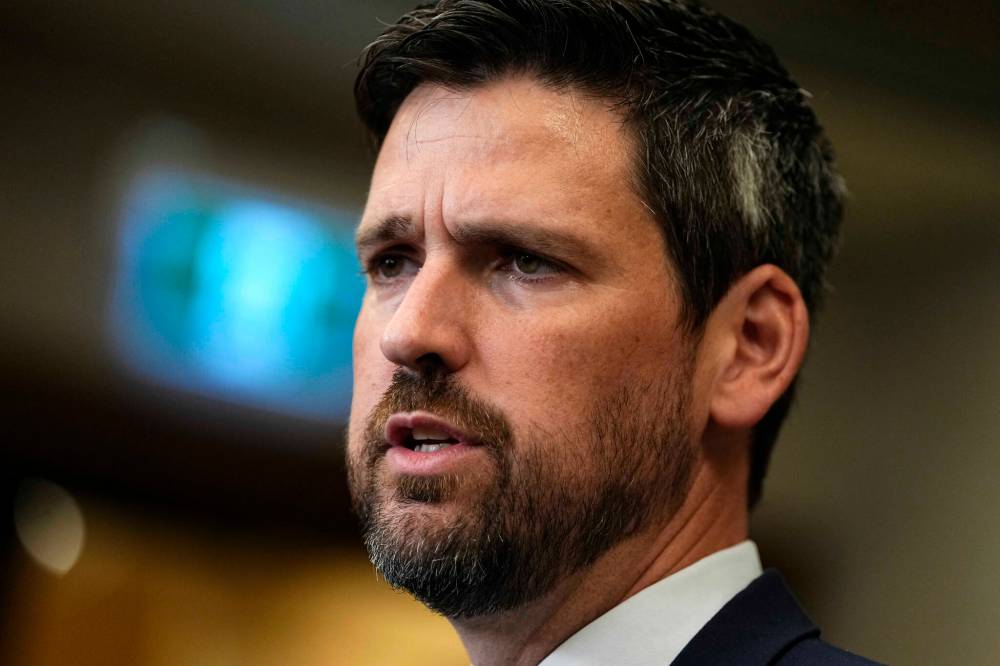
“This is a piece of legislation that is part of the government’s public safety strategy, designed to make communities across this country safer.”
Ottawa has pledged Bill C-14 will crack down on repeat and violent offenders by directing courts to take a stricter approach when considering bail and criminal sentences. It follows years of public and political pressure at every level of government and across party lines.
The new rules, which take force mid-July, modify the “principle of restraint” in a way that instructs courts to lean toward denying bail, rather than granting it, particularly in cases involving repeat offenders and those accused of more severe crimes.
It expands the list of offences encompassed in “reverse onus” provisions, in which an accused must explain why they should be let out on bail, rather than requiring Crown attorneys to argue why they should remain in custody.
A slate of new crimes will be subject to reverse onus under the new law, including violent and organized auto theft, break and enter of homes, human trafficking and violent extortion.
Repeat violent offenders, offences committed against first responders or public transit workers, organized retail crime and theft of copper will be considered aggravating factors in sentencing.
The federal government said the legislation includes 80 changes to the Criminal Code.
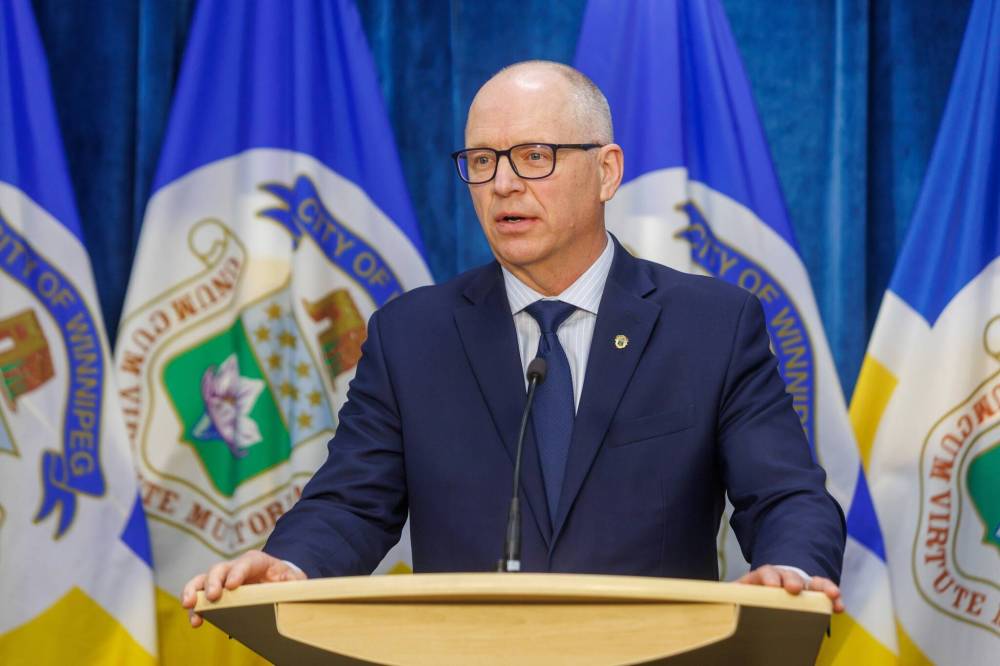
Gillingham appeared before a Senate committee in April to argue in favour of bail reform. He has railed against prolific offenders, retail theft and violent crime, saying those factors are a blight on Winnipeg’s downtown and elsewhere.
Manitoba Justice Minister Matt Wiebe, members of the Progressive Conservative Opposition and many other municipal and federal politicians and stakeholders in Manitoba called for the same.
Fraser has written to provincial and territorial governments to remind them it is their responsibility to oversee and invest in the administration of justice.
Wiebe said Manitoba is prepared thanks to investments in police agencies, the prosecution service and correctional officers — all of which have complained of being understaffed and overworked.
“All of these things that we’re doing are enabling the system to be able to handle the folks that Bill C-14 will address,” he said.
Ben Wickstrom, the spokesperson for the Manitoba Association of Crown Attorneys, said he is not convinced the provincial justice system is prepared.

Changes to the Criminal Code will inevitably lead to more contested bail hearings and trials, meaning prosecutors will be required to spend more time on research and litigation.
“When there are changes that result in more litigation, you need to have more resources,” he said.
Gillingham celebrated the new law during a news conference at city hall Tuesday afternoon. He said he appreciated Fraser mentioning him by name, but credited his political counterparts who also supported bail reform.
“I was obviously very active and vocal about the need for this change,” the mayor said. “This is about the people of Winnipeg, This is about safety for the public.”
Representatives from the Retail Council of Canada and the Assembly of Manitoba Municipalities also lauded the changes.
In Manitoba, criminal defence experts questioned Tuesday whether the law would improve public safety.
The courts already consider the offences included under the new reverse onus provisions as serious crimes, and public safety is a paramount concern when considering bail and sentencing, said Chris Gamby, director of communications for the Criminal Defence Lawyers Association of Manitoba.
“This is about the people of Winnipeg, This is about safety for the public.”
“I don’t know that this bill is going to make a ton of difference in terms of how the Crown, the courts and defence counsel conduct themselves,” he said. “The bail reform argument, to me, is very much a political football.”
Creating laws by which more people accused or convicted of a crime spend more time in custody will further strain Manitoba’s jail system, Gamby argued.
“Building more jails and making the laws tougher, I don’t — with respect — think that those things protect our society because no matter what sentence you give somebody, usually, they get out of jail one day. What kind of person do we get when they get out?”
Independent MLA Mark Wasyliw, who is also a defence lawyer, echoed those concerns.
“This is not going to make the public any safer and it’s empty, performative political theatre,” he said. “I can tell you as a practical matter (reverse onus) is already happening, especially in these really serious charges.”
—With files from Joyanne Pursaga
tyler.searle@freepress.mb.ca
Tyler Searle is a multimedia producer who writes for the Free Press’s city desk. A graduate of Red River College Polytechnic’s creative communications program, he wrote for the Stonewall Teulon Tribune, Selkirk Record and Express Weekly News before joining the paper in 2022. Read more about Tyler.
Every piece of reporting Tyler produces is reviewed by an editing team before it is posted online or published in print — part of the Free Press‘s tradition, since 1872, of producing reliable independent journalism. Read more about Free Press’s history and mandate, and learn how our newsroom operates.
Our newsroom depends on a growing audience of readers to power our journalism. If you are not a paid reader, please consider becoming a subscriber.
Our newsroom depends on its audience of readers to power our journalism. Thank you for your support.
Tyler Searle is a multimedia producer who writes for the Free Press’s city desk. A graduate of Red River College Polytechnic’s creative communications program, he wrote for the Stonewall Teulon Tribune, Selkirk Record and Express Weekly News before joining the paper in 2022. Read more about Tyler.
Every piece of reporting Tyler produces is reviewed by an editing team before it is posted online or published in print — part of the Free Press‘s tradition, since 1872, of producing reliable independent journalism. Read more about Free Press’s history and mandate, and learn how our newsroom operates.
Our newsroom depends on a growing audience of readers to power our journalism. If you are not a paid reader, please consider becoming a subscriber.
Our newsroom depends on its audience of readers to power our journalism. Thank you for your support.
Related Articles
Political rhetoric has no effect on Winnipeg’s encouraging crime statistics








Advertisement Advertise With Us
Advertisement Advertise With Us