Argentine Malbec and producers gets their day and their due

Advertisement
Read this article for free:
or
Already have an account? Log in here »
To continue reading, please subscribe:

Digital Subscription
One year of digital access for only $205*
- Enjoy unlimited reading on winnipegfreepress.com
- Read the E-Edition, our digital replica newspaper
- Access News Break, our award-winning app
- Play interactive puzzles
*First annual payment billed as $205.00 + GST for one year. This annual subscription will automatically renew at $233.00 + GST every 52 weeks (10% off the regular annual price of $259.35). Offer available to new and qualified returning subscribers only. Cancel any time.
To continue reading, please subscribe:
Add Free Press access to your Brandon Sun subscription for only an additional
$1 for the first 4 weeks*
- Enjoy unlimited reading on winnipegfreepress.com
- Read the E-Edition, our digital replica newspaper
- Access News Break, our award-winning app
- Play interactive puzzles
*Your next Brandon Sun subscription payment will increase by $1.00 and you will be charged $17.95 plus GST for four weeks. After four weeks, your payment will increase to $24.95 plus GST every four weeks.
Read unlimited articles for free today:
or
Already have an account? Log in here »
Hey there, time traveller!
This article was published 15/04/2023 (1255 days ago), so information in it may no longer be current.
For the last 13 years, Argentine wine producers and marketers have proudly pumped the tires on the country’s flagship wine-producing grape variety every April 17.
Bruno Cantuária / Pexels Producers of Argentine Malbec have ramped up the quality of the wine in the last decade.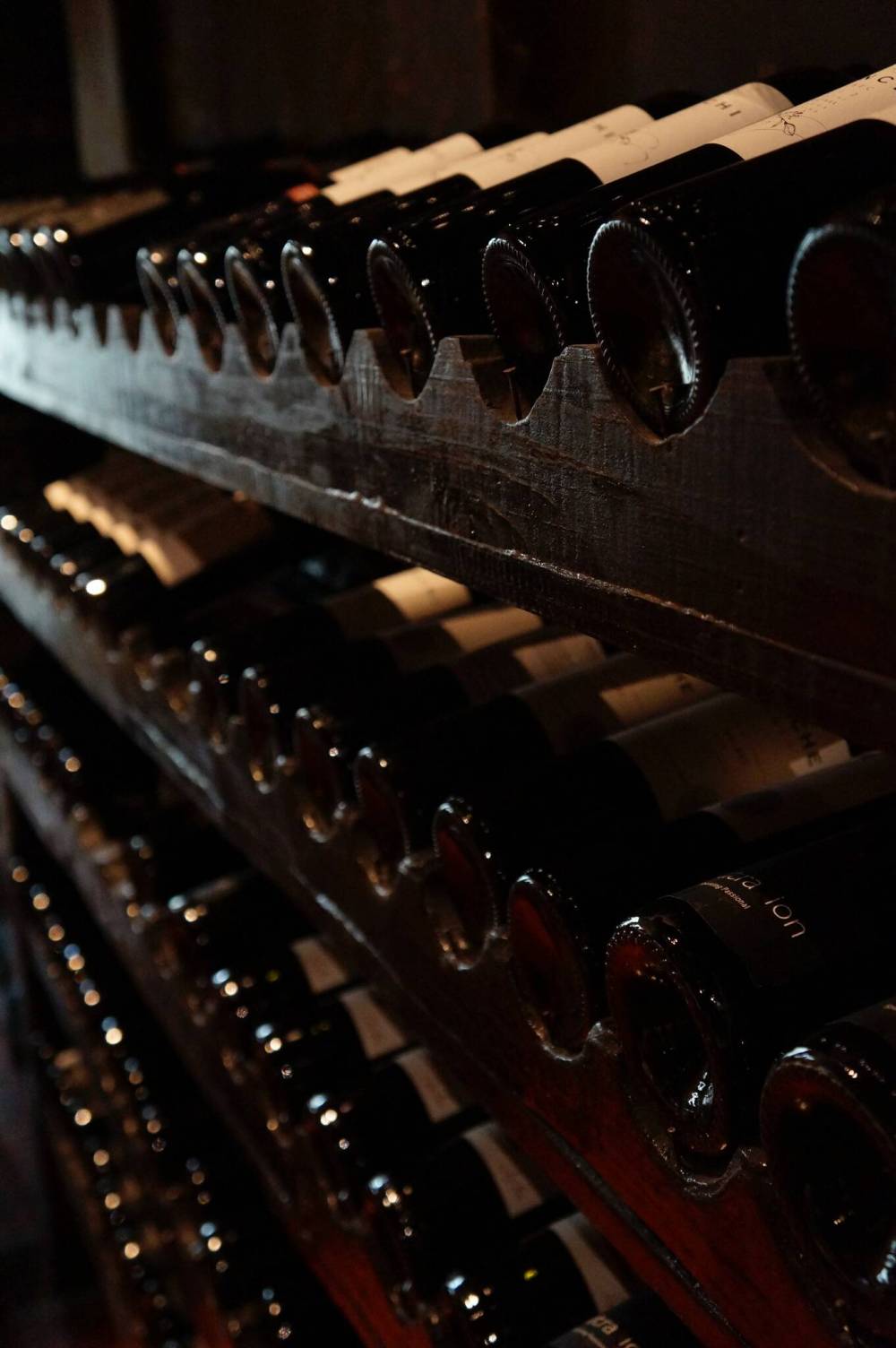
Malbec World Day was created to raise the profile of the country’s deep, full-bodied red wines (and, to a lesser extent, the sparkling/rosé offerings) the world over. Given the popularity Argentine Malbec continues to enjoy around the globe, it certainly seems to have done the trick. Like the championing of Sauvignon Blanc by New Zealand producers, the embracing of Malbec as Argentina’s signature wine has paid big dividends.
Argentine Malbec has long been considered a well-priced category, but there was a time where the quality of the wines, particularly at the entry-level price point, didn’t always guarantee a good bang for your buck. In the mid-1990s, when I was cutting my teeth working at private wine stores, there was plenty of cheap Malbec to be had, and what made it to our shelves tended to be overripe, flabby and one-dimensional.
In the last decade or so, producers have really ramped up the quality level at every price point — much of which is a result of changing their altitude as well as their attitude. The blazing summer heat in Mendoza, Argentina’s main grape-growing region, has seen producers planting vines at increasingly higher altitudes up the east side of the Andes Mountains. Higher elevation means cooler temperatures (particularly at night) with increased sunlight, making for a more predictable growing season and more balanced, less overly jammy wines.
And while there is plenty of barrel-aged Malbec to be had, producers also seem to have dialed back the wood a bit, allowing the fruit to shine through. In a week-long visit to the region in 2017, it was apparent Argentine producers were just as often employing stainless steel tanks and concrete vats or egg-shaped vessels to age their wines as they were barrels, a trend that continues today. And when oak is employed in the winemaking process these days, it’s more likely to be a combination of new and used barrels, resulting in a more subtle wood profile.
With spring having just sprung, it’s as good a time as any to be celebrating the grape. When made well, Malbec’s an ideal red to pair with burgers (regular or veg) and practically anything barbecued — in Argentina, the typical asado is a massive feast of grilled meats and plenty of Malbec (and the occasional beer).
Wines of the week
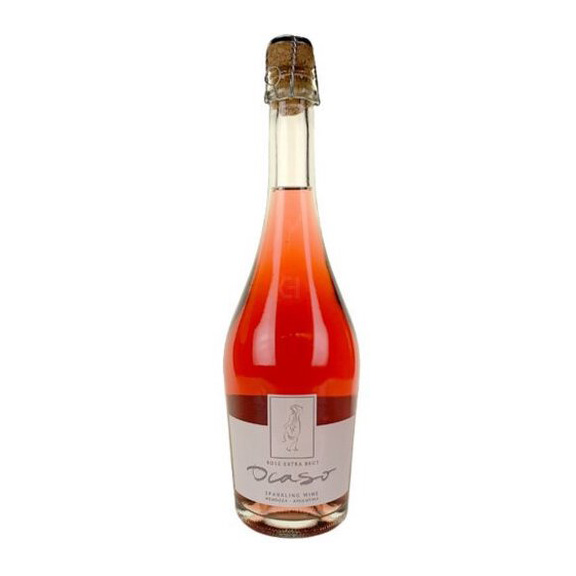
Ocaso NV Rosé Extra Brut (Mendoza, Argentina — around $18, private wine stores)
Medium salmon-orange in colour, this bubbly made from Malbec brings pretty peach, red apple and strawberry aromas with secondary floral and watermelon candy notes. It’s dry and light-plus bodied, leading with cherry and strawberry flavours followed by peach and sweet orange notes, bright effervescence and a modest finish. An easygoing bubbly with slightly more body than a Spanish cava or Italian prosecco, but will similarly please most palates. Available at G.J. Andrews, Calabria Market and The Winehouse. 3.5/5
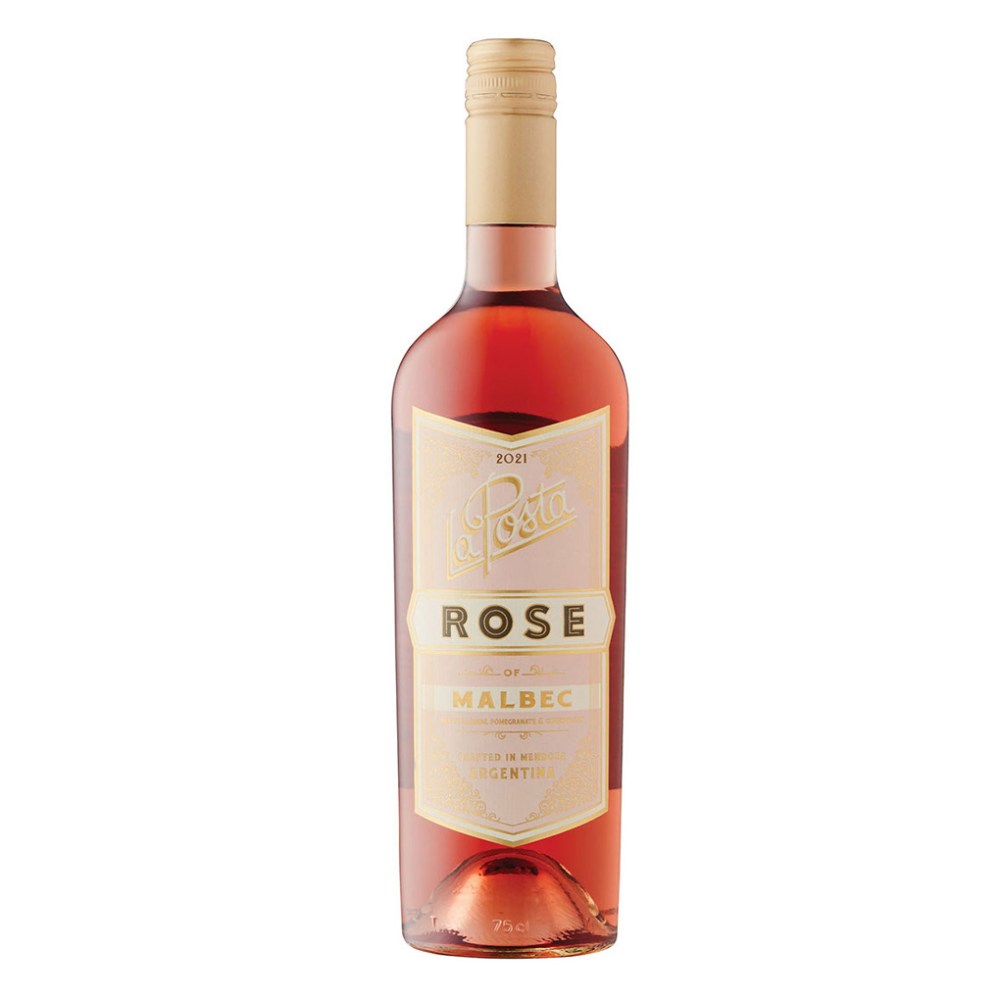
La Posta 2022 Rosé of Malbec (Mendoza, Argentina — $15.99, Liquor Marts and beyond)
The La Posta line was created by Argentine wine legend Laura Catena; most of the wines tend to be fun and approachable, and the rosé certainly fits that bill. From vineyards in Tupungato and Uco Valley in Mendoza, which average around 1,000 metres above sea level, this rosé is pale peach in colour and aromatically offers fresh strawberry and floral notes as well as a hint of raspberry candy. It’s dry but there’s plenty of ripe red berry flavours that permeate on the light-plus bodied palate; it would be ideal with salads, sushi or mild cheeses but is plenty tasty on its own as well. 3.5/5
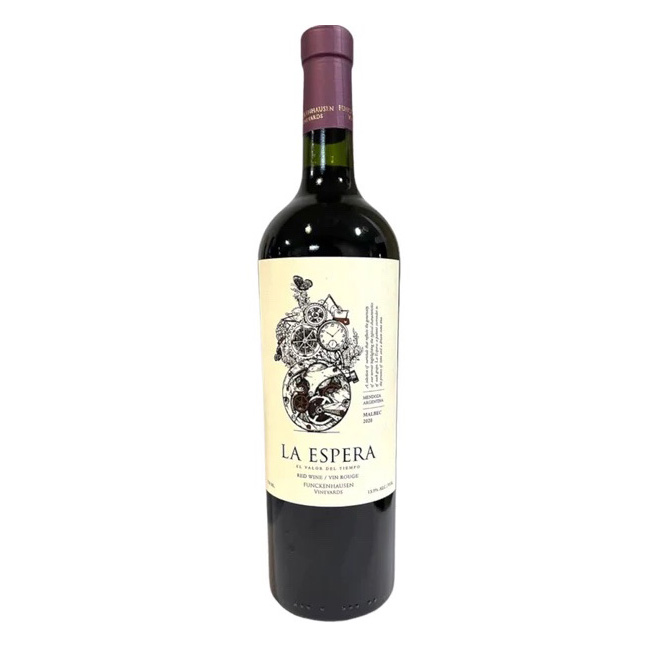
Funckenhausen Vineyards 2020 La Espera el Valor del Tiempo Malbec (Mendoza, Argentina — around $16, private wine stores)
From relatively lower-altitude vineyards (around 850 metres above sea level) comes this deep purple Malbec, with aromas of cocoa, blackberry, violet, vanilla and raspberry. It’s a plush, full-bodied Malbec dripping with blackberry and blueberry jam flavour, a pronounced chocolate-covered cherry note, soft tannins and a medium-warm finish (at 13.9 per cent alcohol). Only 30 per cent of the wine sees time in oak barrels, and just for six months, but the lower elevation means the ripeness is quite high here. Available at The Pourium, Calabria Market and G.J. Andrews. 3/5
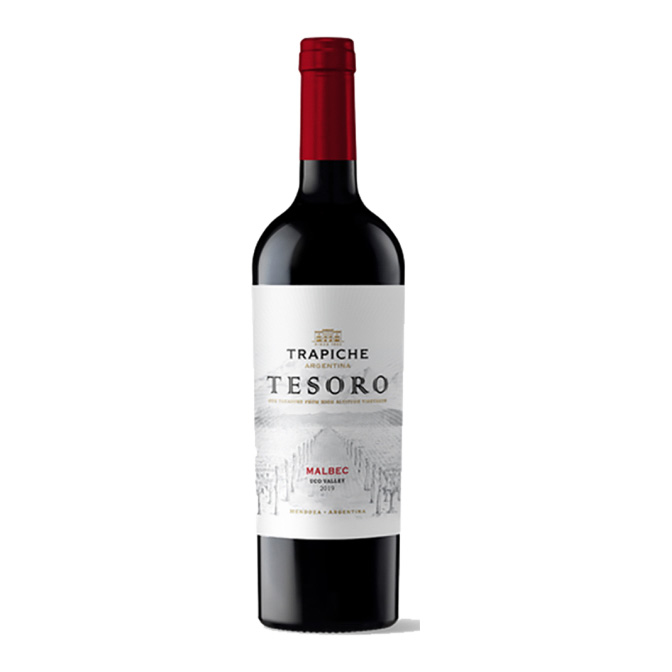
Trapiche 2021 Tesoro Malbec (Uco Valley, Argentina — $15.99, Liquor Marts and beyond)
Sourced from two vineyards in Argentina’s Uco Valley, a higher-altitude sub-region of Mendoza (about 1,250 metres above sea level), the Tesoro brings deep blackberry, tar, mocha, plum and spice notes on the nose that are quite lovely. It’s a dry, full-bodied red, with loads of ripe blackberry and plum flavours, a jammy blueberry component, subtle dark chocolate and leafy notes and a long, warm-ish finish (it’s 14 per cent alcohol). Fourteen months in used oak barrels bring subtle vanilla and spice notes and ramp up the chewy tannins; drink now or hold for 24-36 months. A solid value. 4/5
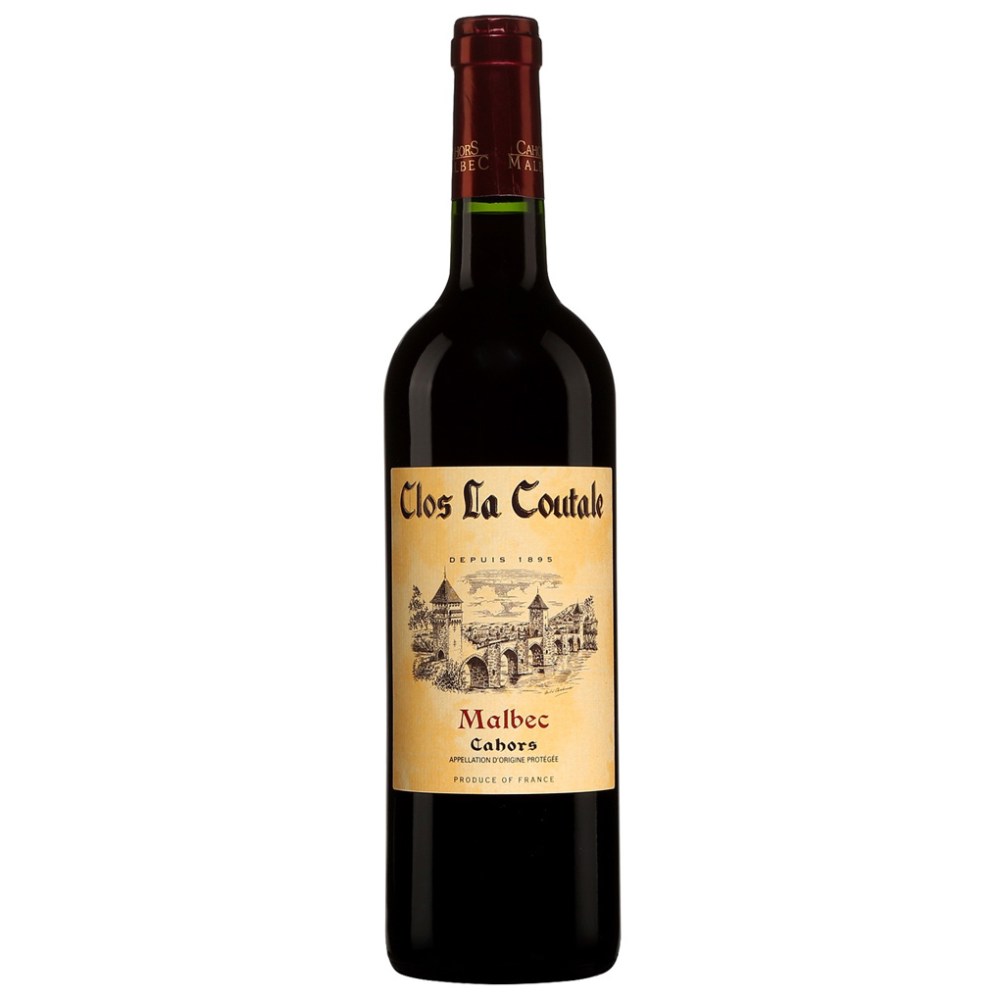
Clos La Coutale 2020 Malbec (Cahors, France — $17.95, Liquor Marts and beyond)
This 80-20 blend of Malbec and Merlot from the Cahors region of southwestern France — the original home of Malbec — brings meatier, peppery notes along with blueberry and blackberry aromas and a hint of iron and white pepper. A dry, medium-plus bodied red, the Merlot brings softer plum and blueberry notes on the palate while the Malbec leads the charge with darker berry flavours, all of which comes with a cracked pepper and herbal component, modest tannins and a hint of spice from a year aged in oak barrels and casks. Those who prefer less intense, chewy and fruit-driven reds take note. 3.5/5
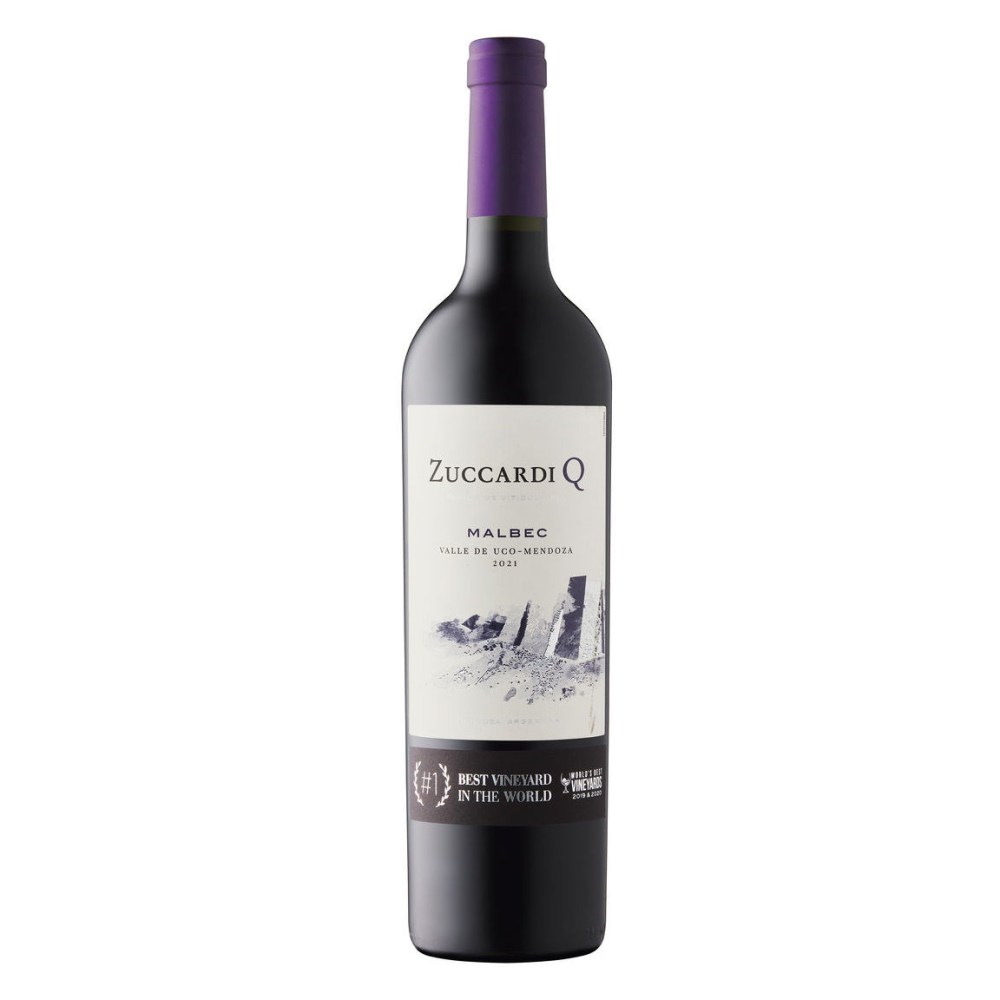
Zuccardi 2020 Q Malbec (Uco Valley, Argentina — $24.99, Liquor Marts and beyond)
There’s a compelling, almost-savoury and herbal note that comes with the ripe blackberry, cherry and dark chocolate aromas on this inky purple Malbec. It’s full-bodied and dry, delivering ripe dark fruit flavours with that slightly meaty, herbal component, a hint of black licorice, a dash of espresso and medium tannins on the moderate finish. The wine is aged in a combination of concrete vats and larger used oak barrels, making this a complex red unburdened by excess wood. Drink this excellent Malbec now or set aside for two years or more. 4.5/5
uncorked@mts.net
@bensigurdson
Ben Sigurdson
Literary editor, drinks writer
Ben Sigurdson is the Free Press‘s literary editor and drinks writer. He graduated with a master of arts degree in English from the University of Manitoba in 2005, the same year he began writing Uncorked, the weekly Free Press drinks column. He joined the Free Press full time in 2013 as a copy editor before being appointed literary editor in 2014. Read more about Ben.
In addition to providing opinions and analysis on wine and drinks, Ben oversees a team of freelance book reviewers and produces content for the arts and life section, all of which is reviewed by the Free Press’s editing team before being posted online or published in print. It’s part of the Free Press‘s tradition, since 1872, of producing reliable independent journalism. Read more about Free Press’s history and mandate, and learn how our newsroom operates.
Our newsroom depends on a growing audience of readers to power our journalism. If you are not a paid reader, please consider becoming a subscriber.
Our newsroom depends on its audience of readers to power our journalism. Thank you for your support.
Ben Sigurdson
Literary editor, drinks writer
Ben Sigurdson is the Free Press‘s literary editor and drinks writer. He graduated with a master of arts degree in English from the University of Manitoba in 2005, the same year he began writing Uncorked, the weekly Free Press drinks column. He joined the Free Press full time in 2013 as a copy editor before being appointed literary editor in 2014. Read more about Ben.
In addition to providing opinions and analysis on wine and drinks, Ben oversees a team of freelance book reviewers and produces content for the arts and life section, all of which is reviewed by the Free Press’s editing team before being posted online or published in print. It’s part of the Free Press‘s tradition, since 1872, of producing reliable independent journalism. Read more about Free Press’s history and mandate, and learn how our newsroom operates.
Our newsroom depends on a growing audience of readers to power our journalism. If you are not a paid reader, please consider becoming a subscriber.
Our newsroom depends on its audience of readers to power our journalism. Thank you for your support.
Advertisement Advertise With Us
Advertisement Advertise With Us