Toasting Canada
Now’s a good time to support beleaguered Canadian wine industry

Advertisement
Read this article for free:
or
Already have an account? Log in here »
To continue reading, please subscribe:

Digital Subscription
One year of digital access for only $205*
- Enjoy unlimited reading on winnipegfreepress.com
- Read the E-Edition, our digital replica newspaper
- Access News Break, our award-winning app
- Play interactive puzzles
*First annual payment billed as $205.00 + GST for one year. This annual subscription will automatically renew at $233.00 + GST every 52 weeks (10% off the regular annual price of $259.35). Offer available to new and qualified returning subscribers only. Cancel any time.
To continue reading, please subscribe:
Add Free Press access to your Brandon Sun subscription for only an additional
$1 for the first 4 weeks*
- Enjoy unlimited reading on winnipegfreepress.com
- Read the E-Edition, our digital replica newspaper
- Access News Break, our award-winning app
- Play interactive puzzles
*Your next Brandon Sun subscription payment will increase by $1.00 and you will be charged $17.95 plus GST for four weeks. After four weeks, your payment will increase to $24.95 plus GST every four weeks.
Read unlimited articles for free today:
or
Already have an account? Log in here »
Hey there, time traveller!
This article was published 30/06/2023 (1176 days ago), so information in it may no longer be current.
While there’s never a bad time to encourage folks to drink Canadian wines, the Canada Day weekend always seems a particularly good time to advocate for vino made in our own backyard.
We’re not talking about the cheapo stuff made in bulk from a blend of “domestic and international grapes,” as the labels point out, but rather those made from grapes grown in Canada, many of which sport the Vintners Quality Alliance (VQA) logo on the bottle.
This year, trumpeting made-in-Canada wines comes with a greater sense of urgency, as producers in grape-growing and winemaking regions from coast to coast have struggled with some serious setbacks, particularly over the past 12 to 18 months.
Out east, Nova Scotia producers are looking for help from their provincial government after a ruling by the World Trade Organization — based on complaints from Australia — stated wineries in that province were unfairly advantaged by an excise tax exemption. As a result, tax on a bottle of Nova Scotia wine has gone from 43 per cent to a whopping 140 per cent.
As Nova Scotia grape growers and winemakers struggle to figure out how to deal with this massive hike, they’re hoping the province will implement a farm-winery-support program similar to ones that exist in other Canadian winemaking regions and in other countries.
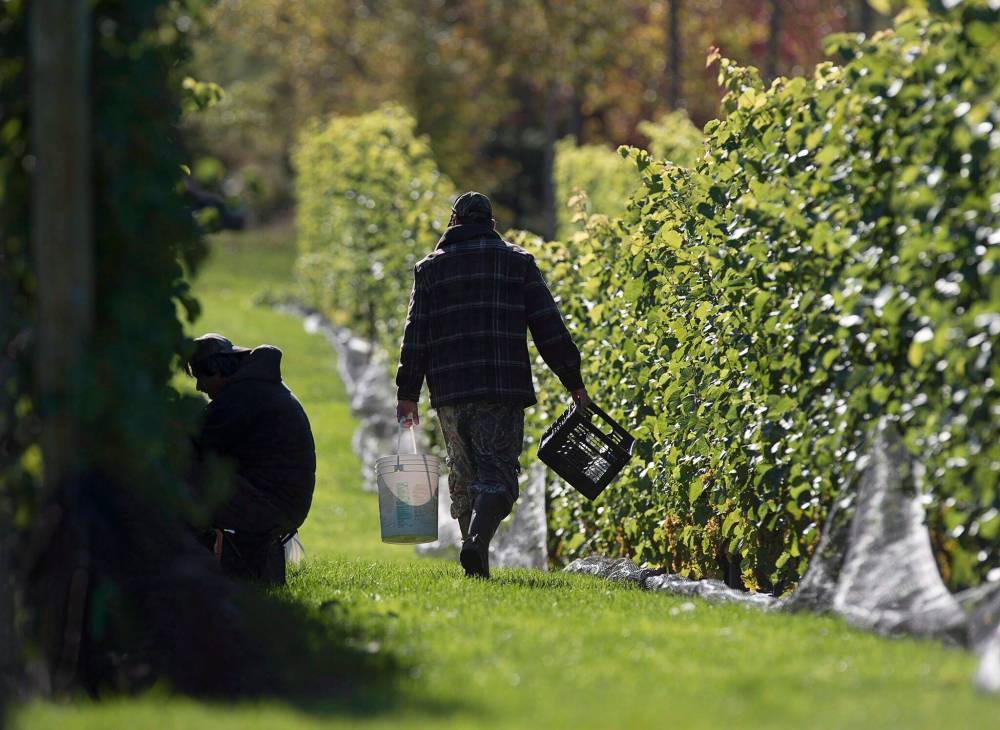
In Ontario, some parts of the Niagara Peninsula, where the bulk of wine grapes are grown, suffered a short but extreme burst of cold in winter 2021. That resulted in a 2022 vintage of good quality but short supply, according to Rick VanSickle of the website Wines in Niagara.
That bout of cold temperature ravaged vineyards seemingly at random, with some plots or even rows decimated while others remained relatively healthy.
Yields for the 2022 vintage were well down from the previous vintage. The damage to some vines will require replanting, which will take years to (quite literally) bear fruit.
Generally speaking, however, VanSickle reports the quality of the wine that was able to be made is very good to excellent.
Out west the situation is even worse. In December 2022, many of the grape-growing regions in British Columbia — particularly in Kelowna, the south Okanagan Valley and Similkameen Valley — were hit with what Wine Growers British Columbia is calling “climate-change-related freeze events” that decimated vineyards while they were dormant.
A lengthy period of temperatures of -20 C and lower at the end of last year had grape growers and winemakers fearing the worst for the 2023 vintage.
As vines began bud break this past spring, those fears were proven valid as the damage from the freeze became apparent. Among the notable numbers in a Wine Growers British Columbia report released earlier this month: a projected 54 per cent reduction in grape and wine production for 2023; a massive 45 per cent of plant acreage that appears to have sustained long-term damage; and 29 per cent of the total acreage that needs to be replanted.
So consider Canadian the next time you’re out buying wine. Liquor Marts and private wine stores have a decent selection of products from east and west, while Canadian producers can also ship directly to consumers in Manitoba. That means you can discover new favourites directly from the source.
uncorked@mts.net
@bensigurdson
Wines of the week
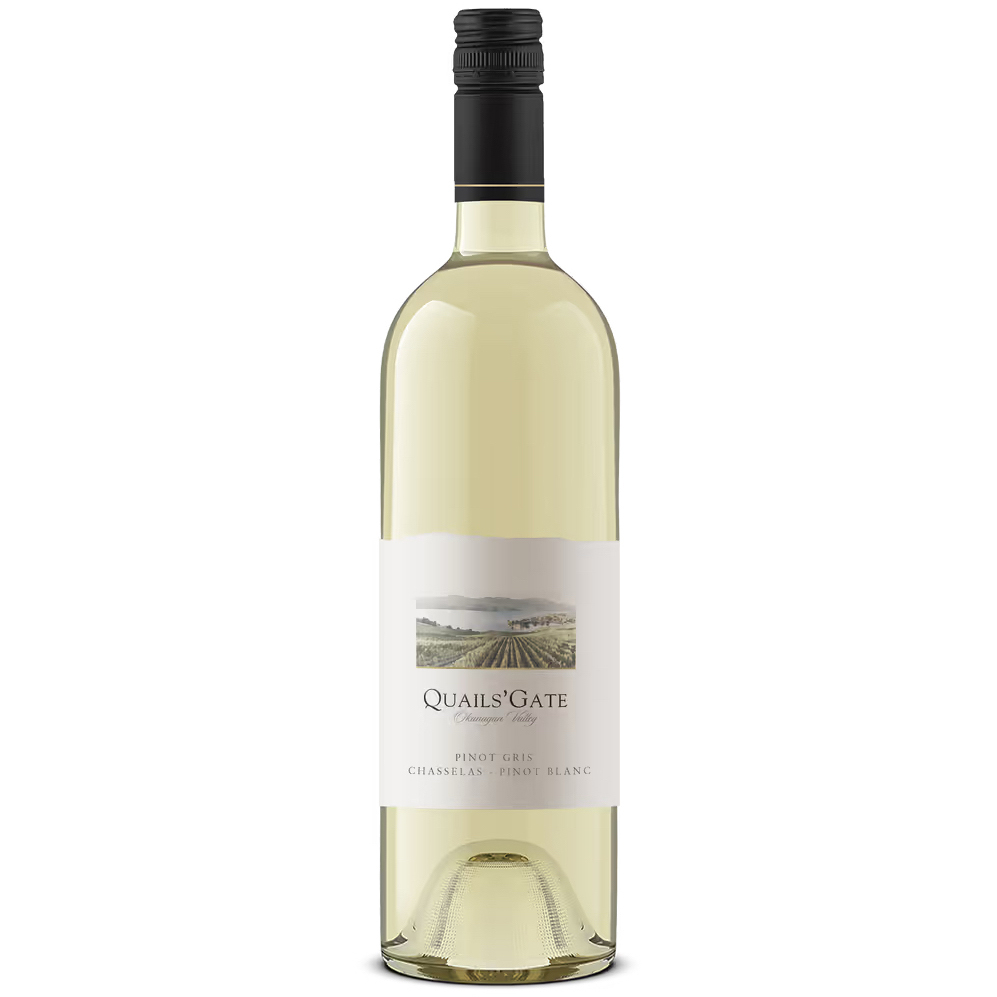
Quails’ Gate 2022 Pinot Gris Chasselas Chenin Blanc (Okanagan Valley, B.C. — $21.99, Liquor Marts and beyond)
Quails’ Gate has been making this white blend for years now, and while wine is always based on the same trio of grape varieties, the percentages vary from vintage to vintage (the 2022 is 48 per cent Pinot Gris, 29 per cent Chasselas and 23 per cent Pinot Blanc, in case you were wondering). It’s pale straw in colour and aromatically offers a lovely nose of fresh pear, floral, peach, red apple and melon notes. Light-bodied and mainly dry, the fruit salad of flavours comes through with nice ripeness, there’s a subtle splash of acidity in there that comes with a lemon candy note, and the finish is crisp and clean. 4/5
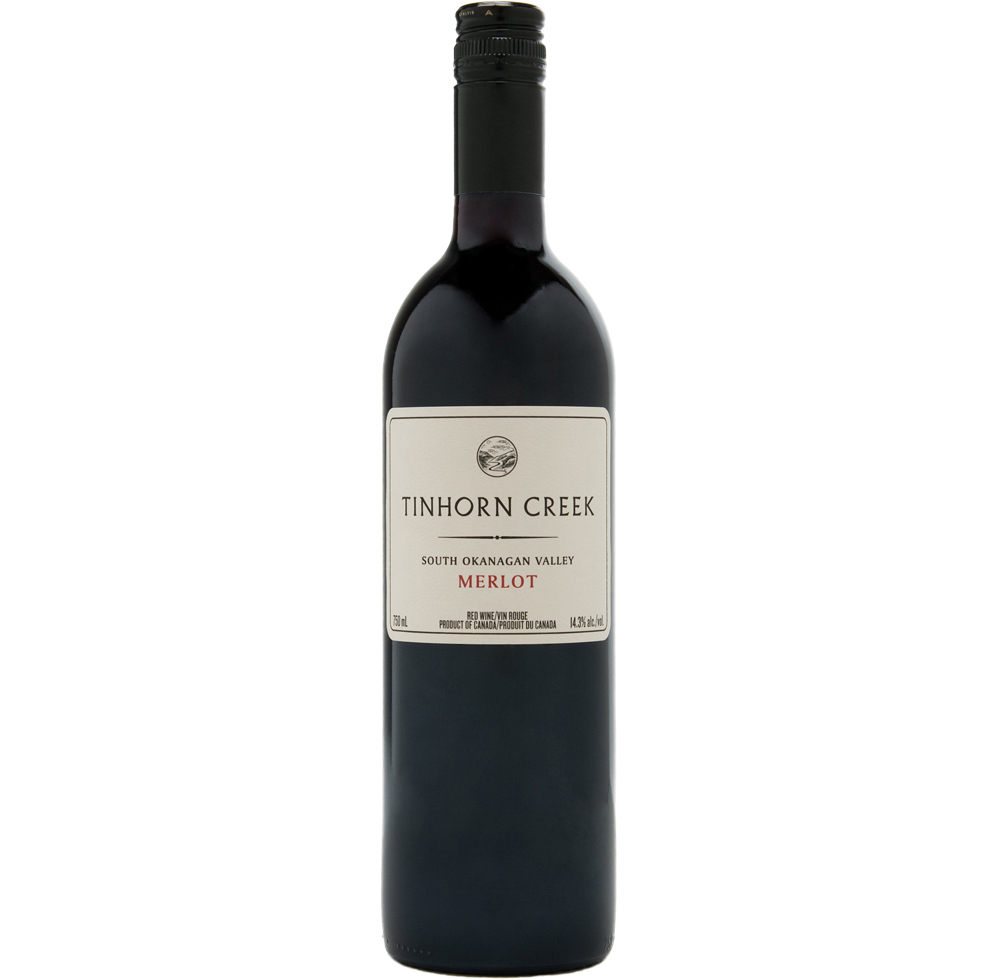
Tinhorn Creek 2019 Merlot (Okanagan Valley, B.C. — $26.99, Liquor Marts and beyond)
There’s a bit of Cabernet Sauvignon, Cabernet Franc and Malbec blended into this Merlot, whose grapes come from a single vineyard on the Black Sage Bench in the Okanagan Valley. Aromatically it brings attractive plum, blueberry, mocha, tar and black tea notes. On the medium-plus-bodied palate the fruit is soft, supple dark fruit notes work well with hints of pepper, black tea and spice, modest tannins and a not-too-boozy finish (it’s 13.3 per cent alcohol). It’s tasty, but could likely user a fresher vintage; don’t bother cellaring this red, as it’s ready to drink now. On sale (it’s regular $29.99) until end of day June 30. 3/5
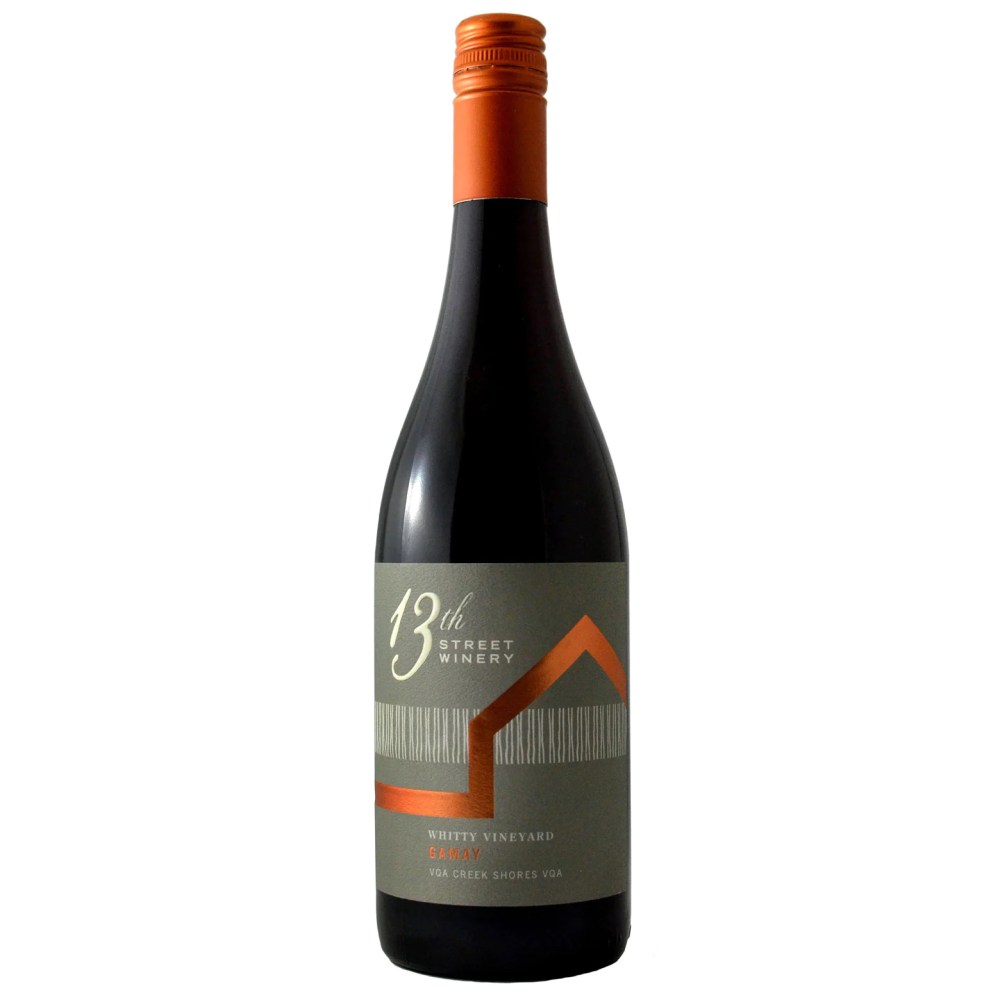
13th Street Winery 2020 Whitty Vineyard Gamay (Creek Shores, Ont. — around $25, private wine stores)
This single-vineyard Ontario red is made from the same grape used in France’s Beaujolais region for reds (Ontario does a great job with Gamay in general). It’s cherry red in colour and offers raspberry and strawberry aromas, as well as secondary cranberry, grape and bubble gum notes. On the dry, light-plus-bodied palate, all those red berry notes show beautifully, unencumbered by oak or excess tannin but instead coming with modest acidity and a medium-length finish. Juicy and fresh, yet retains some complexity; best served chilled for 15 minutes. Available at Kenaston Wine Market. 4.5/5
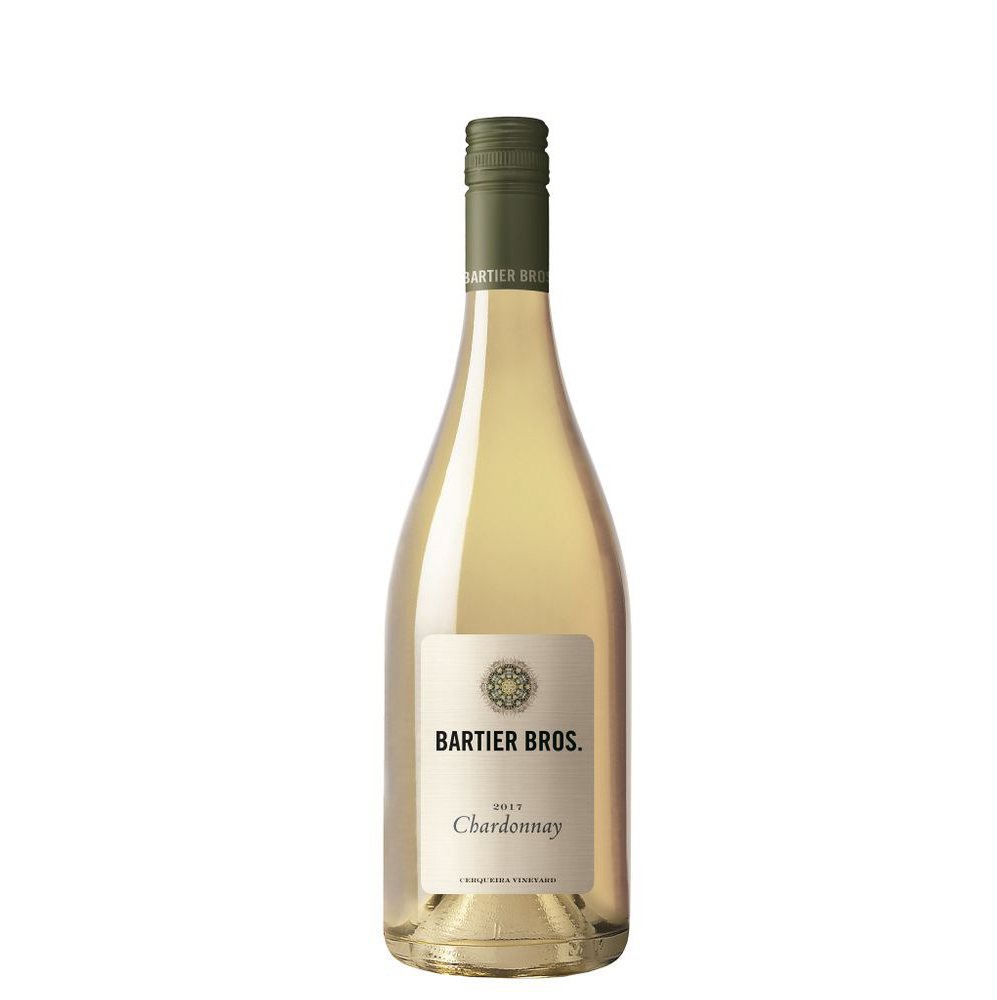
Bartier Bros. 2022 Chardonnay (Okanagan Valley, B.C. — $24.99, winery website)
Pale straw in colour, this Okanagan Valley Chardonnay, sourced from a single vineyard near Oliver, brings bright tropical and stone fruit aromas, as well as ripe red apple, lemon zest and mineral notes. It’s dry and light-bodied, with a pronounced marmalade note that comes with the mango, pineapple, mineral and apple flavours, all delivered without oak. Crisp, fresh and approachable; even those who claim not to like Chardonnay will be impressed. 4.5/5
Ben Sigurdson
Literary editor, drinks writer
Ben Sigurdson is the Free Press‘s literary editor and drinks writer. He graduated with a master of arts degree in English from the University of Manitoba in 2005, the same year he began writing Uncorked, the weekly Free Press drinks column. He joined the Free Press full time in 2013 as a copy editor before being appointed literary editor in 2014. Read more about Ben.
In addition to providing opinions and analysis on wine and drinks, Ben oversees a team of freelance book reviewers and produces content for the arts and life section, all of which is reviewed by the Free Press’s editing team before being posted online or published in print. It’s part of the Free Press‘s tradition, since 1872, of producing reliable independent journalism. Read more about Free Press’s history and mandate, and learn how our newsroom operates.
Our newsroom depends on a growing audience of readers to power our journalism. If you are not a paid reader, please consider becoming a subscriber.
Our newsroom depends on its audience of readers to power our journalism. Thank you for your support.
Ben Sigurdson
Literary editor, drinks writer
Ben Sigurdson is the Free Press‘s literary editor and drinks writer. He graduated with a master of arts degree in English from the University of Manitoba in 2005, the same year he began writing Uncorked, the weekly Free Press drinks column. He joined the Free Press full time in 2013 as a copy editor before being appointed literary editor in 2014. Read more about Ben.
In addition to providing opinions and analysis on wine and drinks, Ben oversees a team of freelance book reviewers and produces content for the arts and life section, all of which is reviewed by the Free Press’s editing team before being posted online or published in print. It’s part of the Free Press‘s tradition, since 1872, of producing reliable independent journalism. Read more about Free Press’s history and mandate, and learn how our newsroom operates.
Our newsroom depends on a growing audience of readers to power our journalism. If you are not a paid reader, please consider becoming a subscriber.
Our newsroom depends on its audience of readers to power our journalism. Thank you for your support.
Advertisement Advertise With Us
Advertisement Advertise With Us