Reverie, reflection spark cinematic experimentation

Advertisement
Read this article for free:
or
Already have an account? Log in here »
To continue reading, please subscribe:

Digital Subscription
One year of digital access for only $205*
- Enjoy unlimited reading on winnipegfreepress.com
- Read the E-Edition, our digital replica newspaper
- Access News Break, our award-winning app
- Play interactive puzzles
*First annual payment billed as $205.00 + GST for one year. This annual subscription will automatically renew at $233.00 + GST every 52 weeks (10% off the regular annual price of $259.35). Offer available to new and qualified returning subscribers only. Cancel any time.
To continue reading, please subscribe:
Add Free Press access to your Brandon Sun subscription for only an additional
$1 for the first 4 weeks*
- Enjoy unlimited reading on winnipegfreepress.com
- Read the E-Edition, our digital replica newspaper
- Access News Break, our award-winning app
- Play interactive puzzles
*Your next Brandon Sun subscription payment will increase by $1.00 and you will be charged $17.95 plus GST for four weeks. After four weeks, your payment will increase to $24.95 plus GST every four weeks.
Read unlimited articles for free today:
or
Already have an account? Log in here »
Hey there, time traveller!
This article was published 26/10/2020 (2134 days ago), so information in it may no longer be current.
Mike Maryniuk was doing a lot of dreaming early on in the pandemic.
“It seemed like I was in a dream for longer than I normally would be. And there was more narrative that was happening, and it was more vivid,” says the Winnipeg filmmaker. “I think that has something to do with lack of anxiety in those moments leading up to the dreams.”
The lockdown forced him out of his daily grind and the stress-free dreams that followed became a source of creative inspiration.
When he was asked to take part in The Curve, a pandemic-inspired online short film project of the National Film Board of Canada (NFB); Maryniuk knew he wanted to play around with the idea of dreams — both celestial and aspirational.
“In an interesting twist, as the project started, the dreams stopped,” he says.
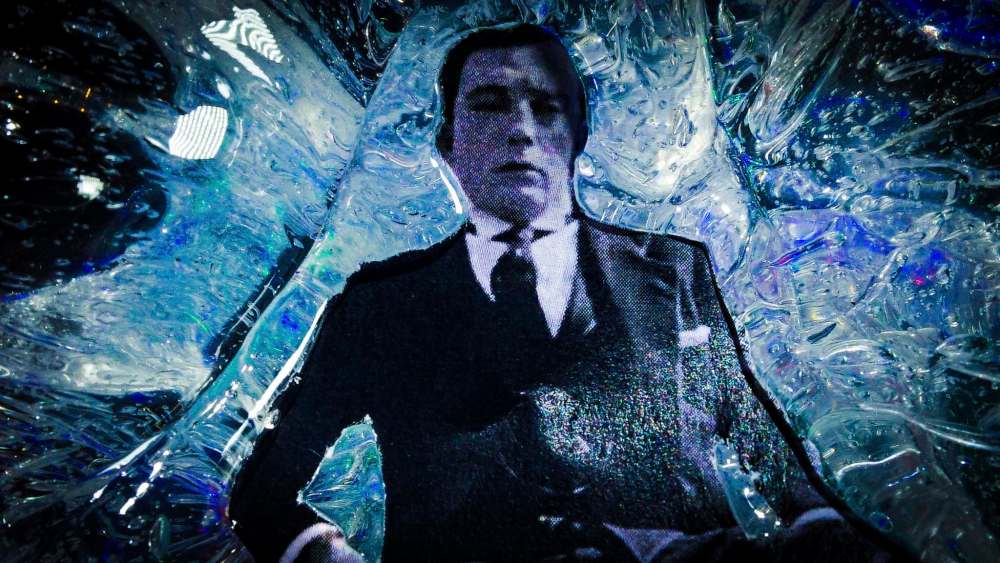
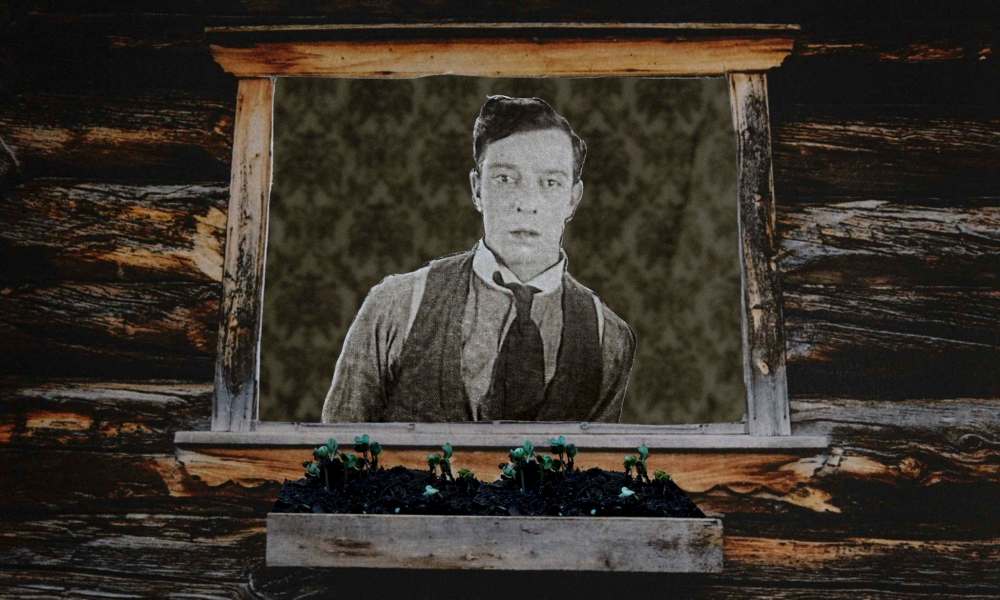
Maryniuk spent three months holed up in a “spare room meets creative broom closet” while he worked on June Night, a four-minute stop motion animation featuring sprouting seedlings, archival footage and Buster Keaton.
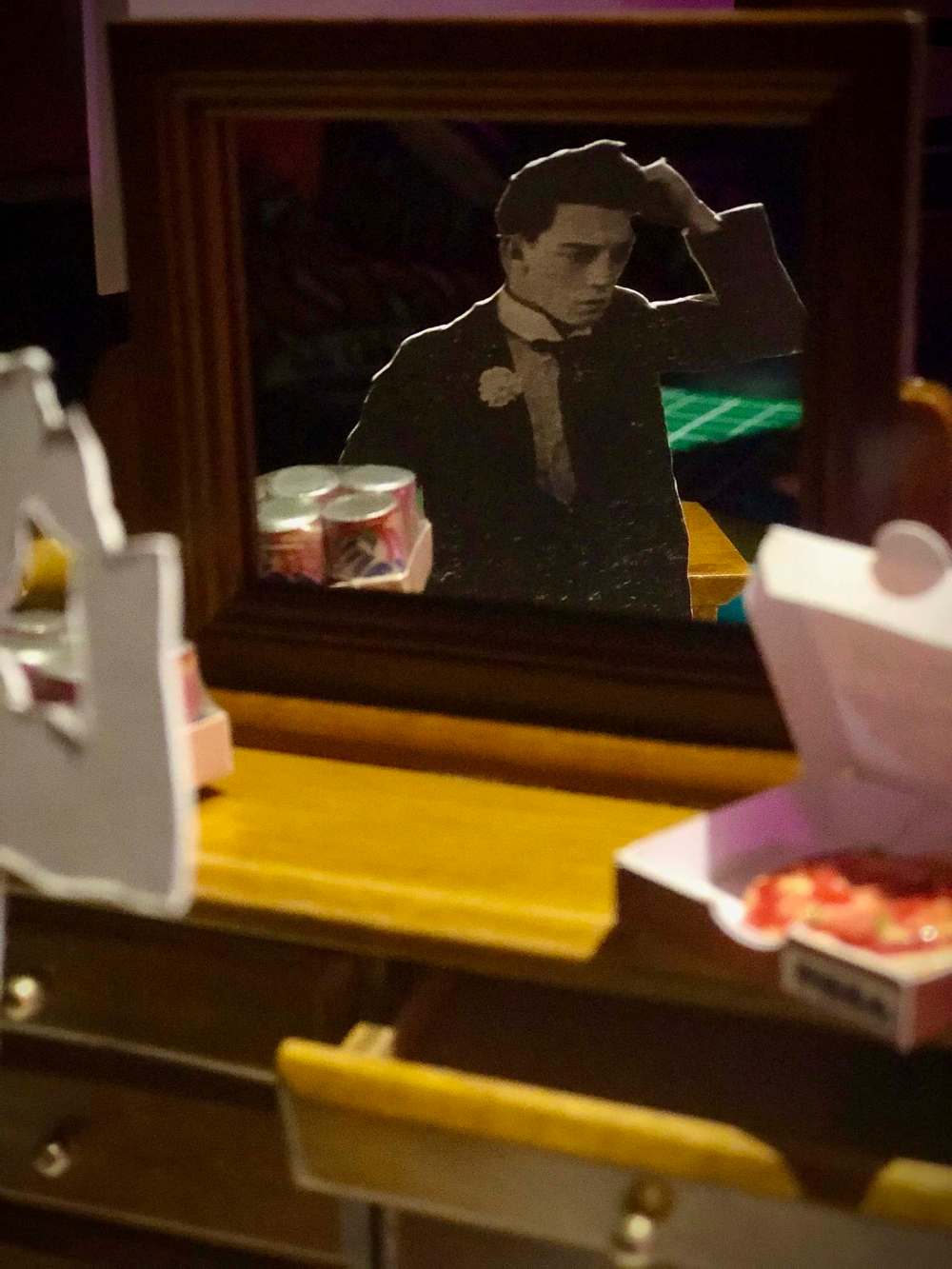
The late American actor and his signature deadpan stare are thrown into a trippy dreamscape in which a young Keaton comes face-to-face with his older self.
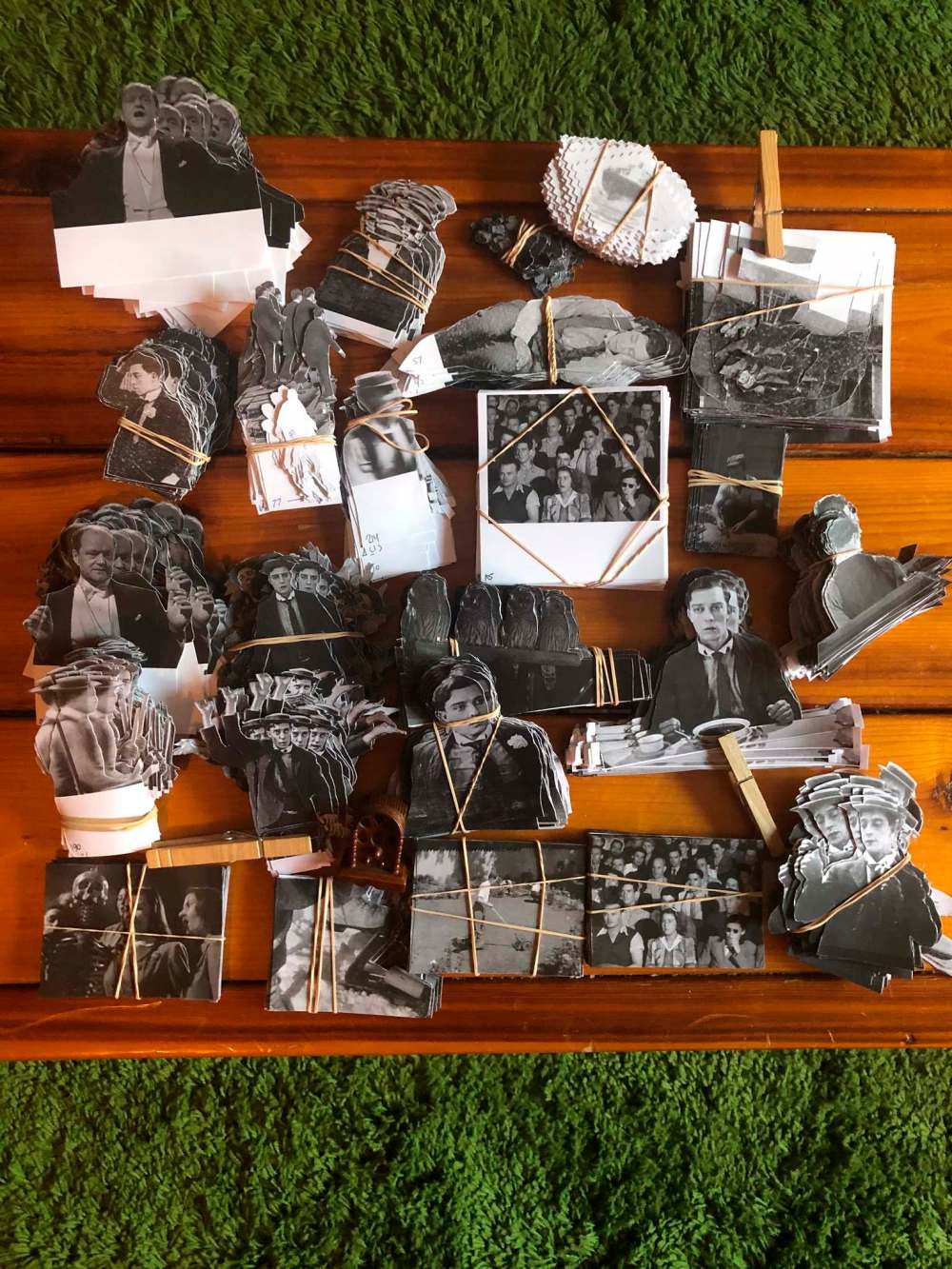
Maryniuk went through the NFB archives to find footage of his lead character and ended up printing off more than 16,000 frames from Keaton’s 1965 film The Railrodder and its behind-the-scenes documentary, Buster Keaton Rides Again. For Maryniuk, 90 per cent of the filmmaking process was spent with scissors in hand, manually cutting up each frame.
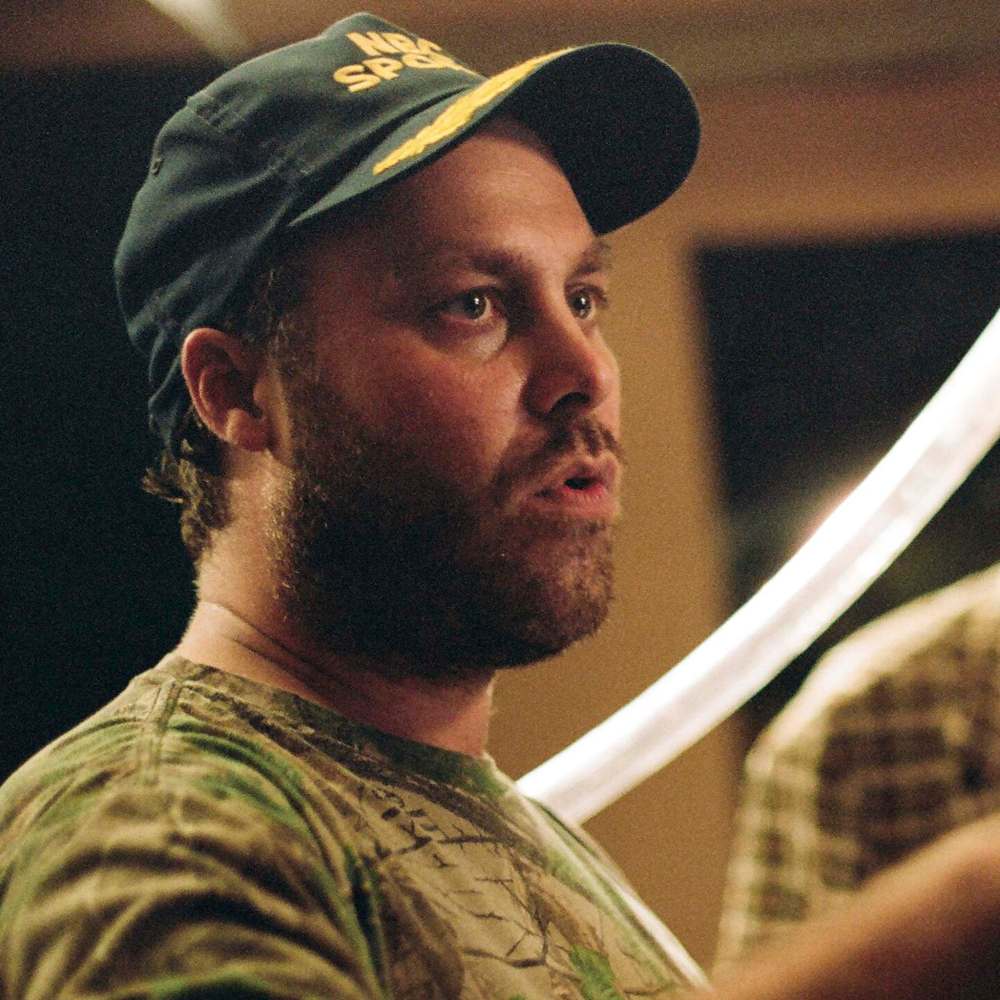
“There’s a meditative element to sitting down with a couple thousand pieces of paper that need to be cut out and you know that you can’t get through it all in one sitting,” he says. “You just move along and it frees up some space to think about the film as a whole.”
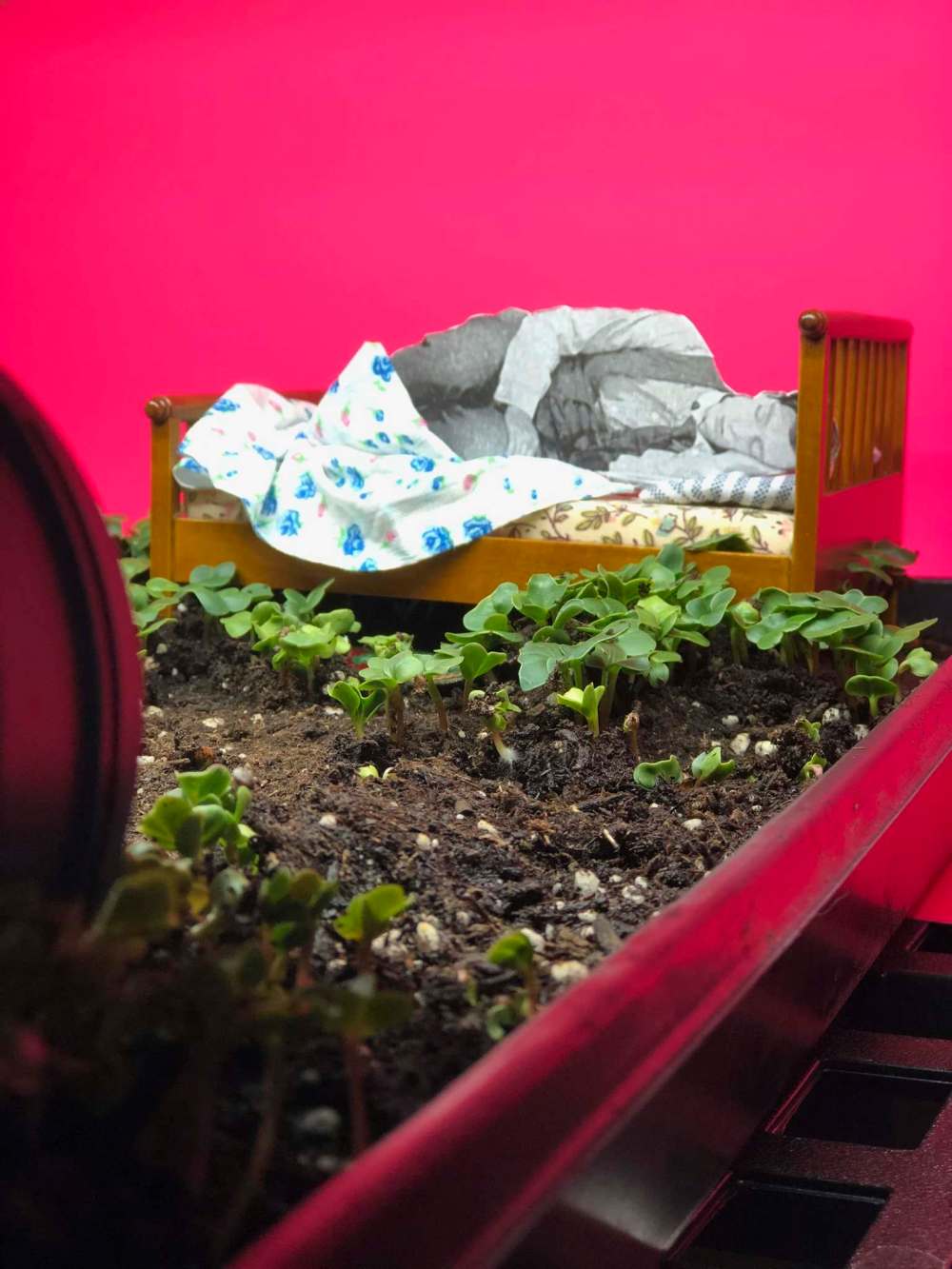
The film’s broader themes deal with shedding things that hinder imagination and the human tendency to try and control the natural world. In one scene a maestro is seen conducting a field of squirming pea shoots.
“If I’m critical of the way we live, it’s that… there’s a profound lack of imagination or a failure of imagination,” Maryniuk says. “And so we keep making the same mistakes over and over again.”
Imaginative filmmaking techniques are plentiful in June Night.
Maryniuk had to work with what was on hand and turned his lens to the vegetables he was starting from seed indoors during the spring. He filmed time lapses of radishes and lettuce and peas growing under UV lights over the course of four or five days. On screen, the effect looks like moonlight.
In another scene, Keaton gets sucked into a glowing pool of liquid.
“I used this type of gloop, for lack of a better term, that I would put into a vase and it would slowly ooze (down) and give a kind of wormhole effect,” he says. “Experimentation, to me, is what drives my motivation… I get excited by trying new things.”
This year marks the 125th anniversary of Keaton’s birth and Maryniuk relished the opportunity to spend so much time with the actor.

“I feel like he’s family,” he says. “Going through all of his films in this process, it was really nice to see these little tributes to him.
“I got into filmmaking by discovering some movie posters from 1926, the end of the silent era of cinema, so it was nice to re-explore that era… and turn it into a contemporary film.”
June Night can be watched for free at nfb.ca/film/june-night. The rest of The Curve submissions are at nfb.ca/the-curve.
eva.wasney@freepress.mb.ca
Twitter: @evawasney
Eva Wasney has been a reporter with the Free Press Arts & Life department since 2019. Read more about Eva.
Every piece of reporting Eva produces is reviewed by an editing team before it is posted online or published in print — part of the Free Press‘s tradition, since 1872, of producing reliable independent journalism. Read more about Free Press’s history and mandate, and learn how our newsroom operates.
Our newsroom depends on a growing audience of readers to power our journalism. If you are not a paid reader, please consider becoming a subscriber.
Our newsroom depends on its audience of readers to power our journalism. Thank you for your support.
Eva Wasney has been a reporter with the Free Press Arts & Life department since 2019. Read more about Eva.
Every piece of reporting Eva produces is reviewed by an editing team before it is posted online or published in print — part of the Free Press‘s tradition, since 1872, of producing reliable independent journalism. Read more about Free Press’s history and mandate, and learn how our newsroom operates.
Our newsroom depends on a growing audience of readers to power our journalism. If you are not a paid reader, please consider becoming a subscriber.
Our newsroom depends on its audience of readers to power our journalism. Thank you for your support.
Advertisement Advertise With Us
Advertisement Advertise With Us
History
Updated on Tuesday, October 27, 2020 7:36 AM CDT: Adds links