Clayton-Thomas memoir shows brilliance amid self-absorption
Advertisement
Read this article for free:
or
Already have an account? Log in here »
To continue reading, please subscribe:

Digital Subscription
One year of digital access for only $205*
- Enjoy unlimited reading on winnipegfreepress.com
- Read the E-Edition, our digital replica newspaper
- Access News Break, our award-winning app
- Play interactive puzzles
*First annual payment billed as $205.00 + GST for one year. This annual subscription will automatically renew at $233.00 + GST every 52 weeks (10% off the regular annual price of $259.35). Offer available to new and qualified returning subscribers only. Cancel any time.
To continue reading, please subscribe:
Add Free Press access to your Brandon Sun subscription for only an additional
$1 for the first 4 weeks*
- Enjoy unlimited reading on winnipegfreepress.com
- Read the E-Edition, our digital replica newspaper
- Access News Break, our award-winning app
- Play interactive puzzles
*Your next Brandon Sun subscription payment will increase by $1.00 and you will be charged $17.95 plus GST for four weeks. After four weeks, your payment will increase to $24.95 plus GST every four weeks.
Read unlimited articles for free today:
or
Already have an account? Log in here »
Hey there, time traveller!
This article was published 18/09/2010 (5857 days ago), so information in it may no longer be current.
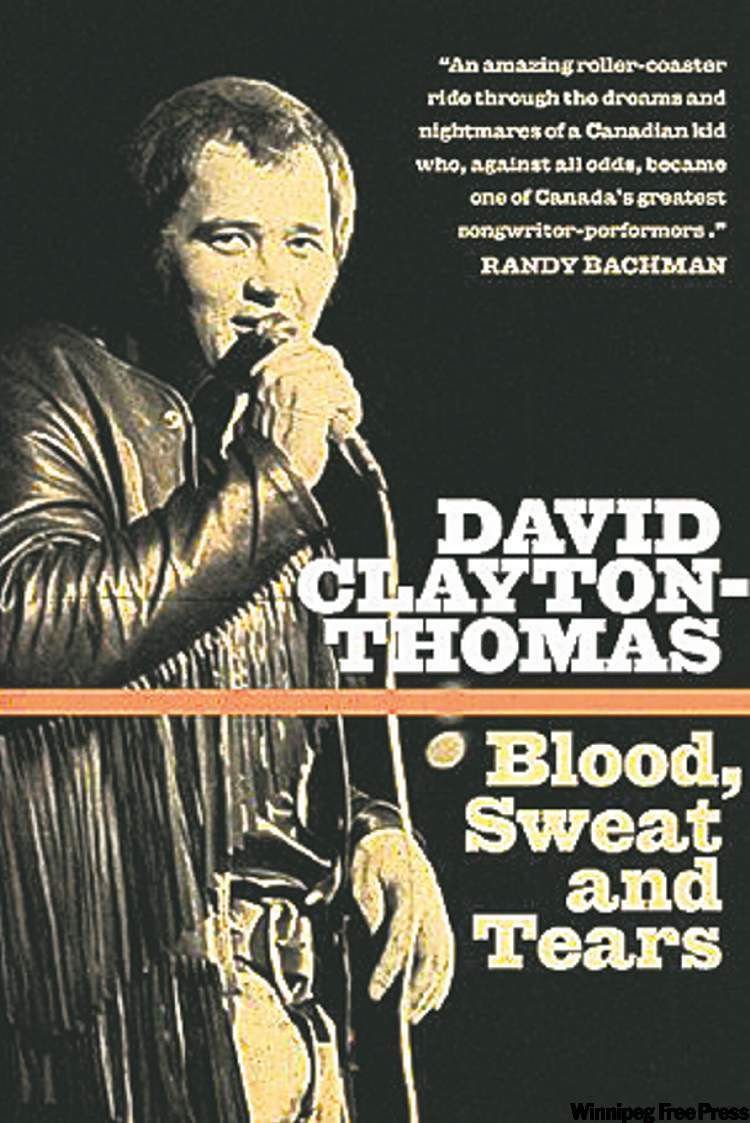
Blood, Sweat and Tears
By David Clayton-Thomas
Viking Canada, 336 pages, $32
It’s normally praise to describe a book as fast-paced. But sometimes a book can be too fast-moving.
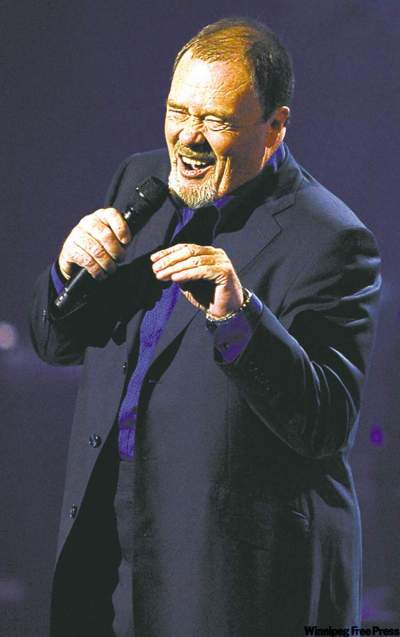
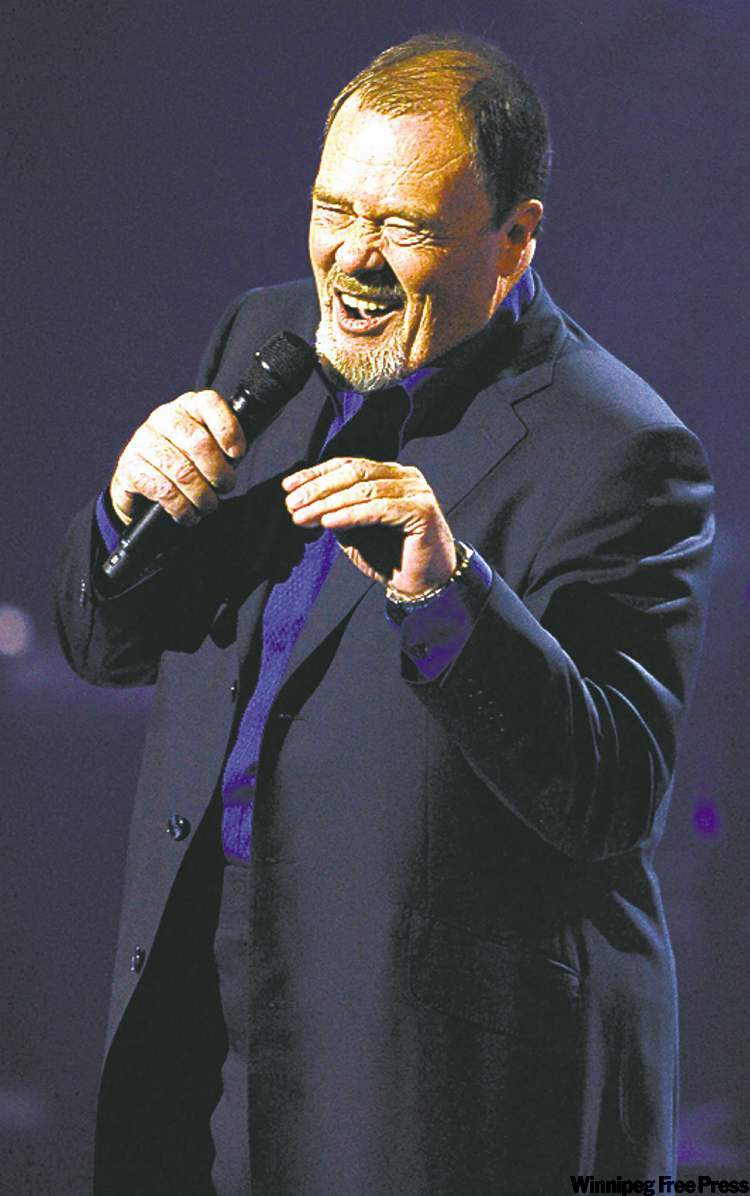
Singer David Clayton-Thomas’s memoir of his life before, during and after superstardom fronting the iconic 1960s-’70s jazz-rock band Blood Sweat & Tears is such a book.
The early chapters and his early years — documenting his growing up an abused child at the hands of a dark and drunken father in Willowdale, Ont., incarceration in a juvenile reformatory, a stint in prison for assault, scuffling around the streets of Toronto in the early 1960s — have the ring of authenticity.
But after that it gets skeletal in the telling.
Time and again you wish Clayton-Thomas would have stepped back, slowed down and expanded on a place, time, event or even thought.
The memoir often reads like a breakneck-speed confessional. And gracing his narrative with more description, dialogue and reflection would also have diminished his chronic recourse to the almighty “I” to begin sentences and paragraphs.
He readily proffers opinions about and praise for the various musicians, virtually all Americans save for him, who played under the brass-heavy BS&T moniker.
But, curiously, he’s deathly silent about the other seminal rock acts he crossed paths with in close to two decades of touring.
Other artists and bands perennially get only passing mention in his recountings. Casting his memory eye in a broader ambit would have given the book a bit more historico-cultural reference, colour and import.
The net result is a thinner book than need be, and a sense that he’s a brilliant but self-absorbed musician.
The sole, and odd, exception occurs in the mid-1970s. And it’s no rocker, but Vegas song-and-dance man Sammy Davis Jr., who gets a star turn. Clayton-Thomas, now 68, devotes more pages to the Rat Pack alumnus than all the other rock, folk, blues and jazz performers he met or played with combined.
The book’s later chapters have a lot of interesting, but far too desultory, insights and comments on the commercial end of the music biz — managers, tour logistics, studio costs and royalty rates.
It’s no secret locally that former provincial Progressive Conservative party leader, and current president of the Canadian Museum for Human Rights, Stuart Murray, did a three-year stint as BS&T tour manager.
Clayton-Thomas calls Murray “a class act,” but badly screws up his political track record, stating: “He would later go on to become a member of Parliament in Canada.”
More revelatory is his regard for Murray’s then wife-to-be Ashleigh Everett — so much so that he named his second child after her.
“Jen [Clayton-Thomas’s pregnant second wife] and I thought the world of Stu and Ashleigh,” he writes. “They were smart and classy people. We both loved the name and the traditional British spelling, so Ashleigh it was.”

Clayton-Thomas wasn’t just the singer for BS&T. He was also the guy who wrote the lyrics for the band’s megahits Spinning Wheel and Lucretia MacEvil.
However, he offers no glimpses of the songwriting process, or the inspiration behind his songs. People are always curious about the nuts and bolts of how it’s done. But he’s not telling.
What’s critical for an autobiography is, first of all, a good story. And Clayton-Thomas has one, for sure.
But his telling of it is more industrious than inspiring, more workmanlike than winning.
Douglas J. Johnston is a Winnipeg lawyer and writer.